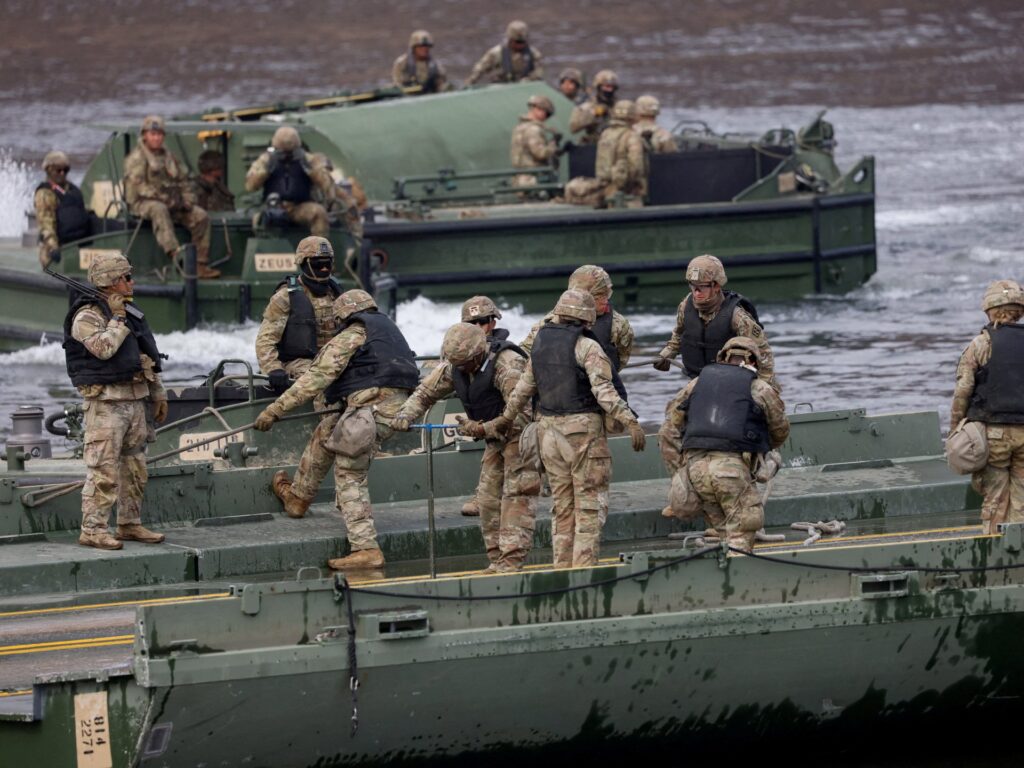
South Korea and the United States have scaled back their annual military drills, following an order from former U.S. President Donald Trump. The adjustment marks a significant change in the longstanding Ulchi Freedom Shield exercise, which has been a key part of the military cooperation between the two nations.
Historically, the Ulchi Freedom Shield exercise has spanned 11 days and involved thousands of troops from both countries. These drills are designed to prepare forces for a potential conflict on the Korean Peninsula and demonstrate the strength of the U.S.-South Korea alliance.
However, recent decisions led by the Trump administration have prompted a reduction in the exercise’s scale and duration. South Korean officials stated that the duration of the Ulchi Freedom Shield has been shortened from 11 days to just five days. This adjustment reflects ongoing diplomatic efforts and a shift in military strategy.
The scaling back of the drills comes amid heightened diplomatic engagement with North Korea, including summits and dialogue aimed at denuclearization and peace on the peninsula. The Trump administration viewed the large-scale exercises as potential provocations that could hinder diplomatic progress.
While the reduction in training time is a notable change, both South Korea and the U.S. continue to emphasize their commitment to collective defense and preparedness. Military officials from both countries assert that the essential operational capabilities and readiness of their forces remain robust despite the shorter exercise period.
Critics of the drill reduction argue that smaller exercises might undermine the readiness and deterrence posture against North Korean threats. They caution that any decrease in military preparedness could embolden North Korea or send mixed signals regarding the strength of the alliance.
Supporters of the move suggest that scaling back large-scale military drills can reduce tensions on the peninsula and create space for more productive diplomatic engagement with Pyongyang. They assert that diplomatic solutions combined with maintained military readiness offer a balanced approach to security in the region.
The future scope and scale of joint South Korea-U.S. military exercises might continue to evolve, depending on geopolitical developments and inter-Korean relations. Both nations remain vigilant and committed to ensuring peace and stability in Northeast Asia.
The decision highlights the complex balance between maintaining a credible defense posture and pursuing diplomatic avenues to achieve lasting peace. As such, the Ulchi Freedom Shield exercise’s transformation is emblematic of broader shifts in regional security policy prompted by changing leadership and strategic priorities.
In summary, the scaling back of the annual Ulchi Freedom Shield military exercises from 11 days to five days is a direct result of directives from the Trump administration, intended to support diplomatic progress while maintaining defense readiness. This change underscores the dynamic nature of military cooperation and international relations on the Korean Peninsula.