The Democratic Republic of Congo (DR Congo) is currently facing its deadliest Ebola outbreak in history, presenting unprecedented challenges to containment efforts. This crisis, located primarily in the eastern regions of the country, has been exacerbated by a perfect storm of conflict, delayed detection, and widespread mistrust among local communities.
Ebola virus, a highly infectious disease known for causing severe hemorrhagic fever, has repeatedly emerged in DR Congo over the past decades. However, the latest outbreak outstrips previous ones in terms of fatalities and geographic spread. The eastern part of DR Congo is particularly vulnerable due to ongoing armed conflicts and political instability.
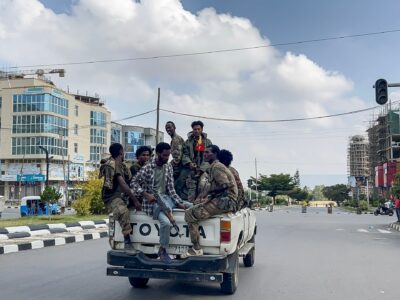
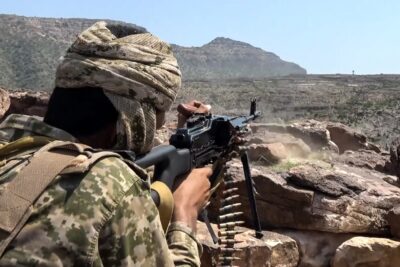
One of the primary factors complicating control measures is the presence of numerous armed groups in the region. These militias hinder healthcare workers’ ability to access affected areas safely. Health teams report frequent attacks and threats, which delay the delivery of critical medical supplies and vaccinations. The insecurity also disrupts community outreach necessary for health education and contact tracing.
Moreover, detection of the virus has been slower than optimal, partly because of the region’s limited health infrastructure and partly due to the typically remote and difficult terrain. Patients often present late to health facilities, and symptoms can be confused with those of other tropical diseases. This delay in recognition allows the virus more opportunity to spread among vulnerable populations.
Equally challenging is the deep mistrust between the local population and government or international health agencies. Years of political neglect, conflict, and misinformation have fostered suspicion towards outsiders. Some communities fear that health workers are there to harm rather than help, sometimes leading to resistance against vaccinations and isolation measures.
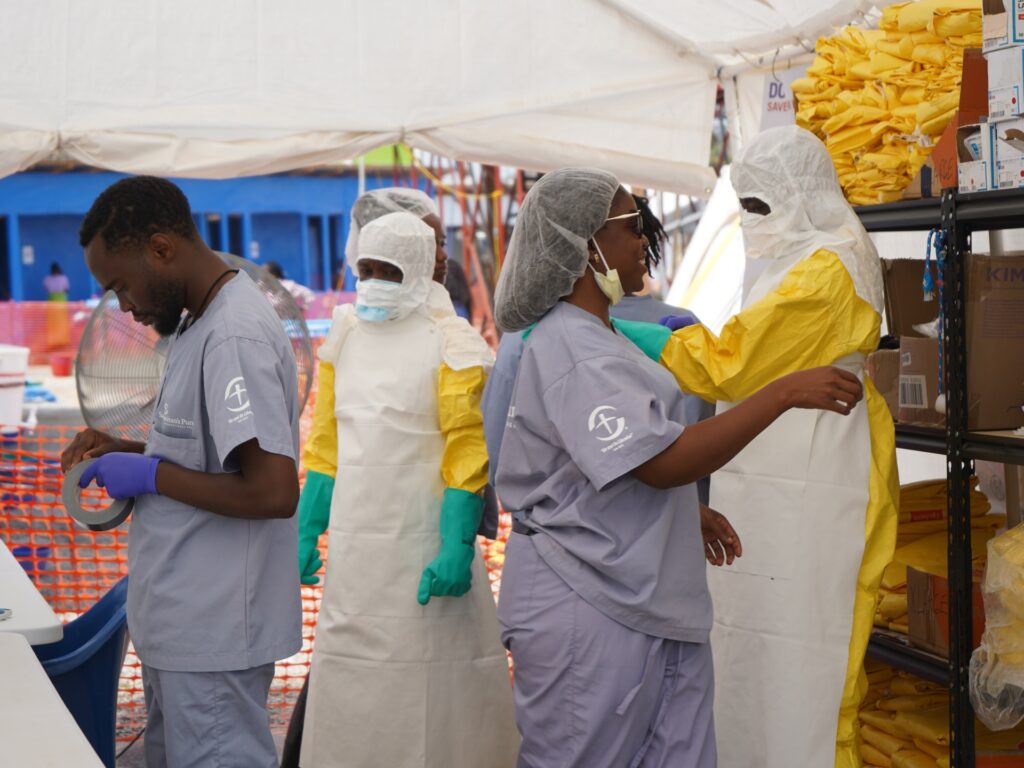
Efforts are underway to combat these challenges. The World Health Organization (WHO), in coordination with the Congolese government and global partners, has ramped up vaccination campaigns using the rVSV-ZEBOV vaccine, which has shown high efficacy. Mobile teams are employing innovative approaches, such as engaging local leaders and adapting strategies to conflict zones.
Despite these efforts, the virus continues to spread, with several hundred confirmed deaths and thousands infected. Each day presents new hurdles as the situation remains fluid and unpredictable.
This outbreak serves as a stark reminder of the complex interplay between health emergencies and socio-political dynamics. To overcome such crises, integrated strategies that address not only medical but also security and social concerns are essential. Strengthening health systems, improving community trust through engagement, and stabilizing regions affected by conflict could be crucial in preventing future outbreaks of this scale.
As the global community watches and contributes resources, the people of DR Congo continue to bear the brunt of one of the deadliest public health emergencies in recent history. Understanding and mitigating the roots of these challenges is vital to turning the tide against Ebola in this beleaguered region.