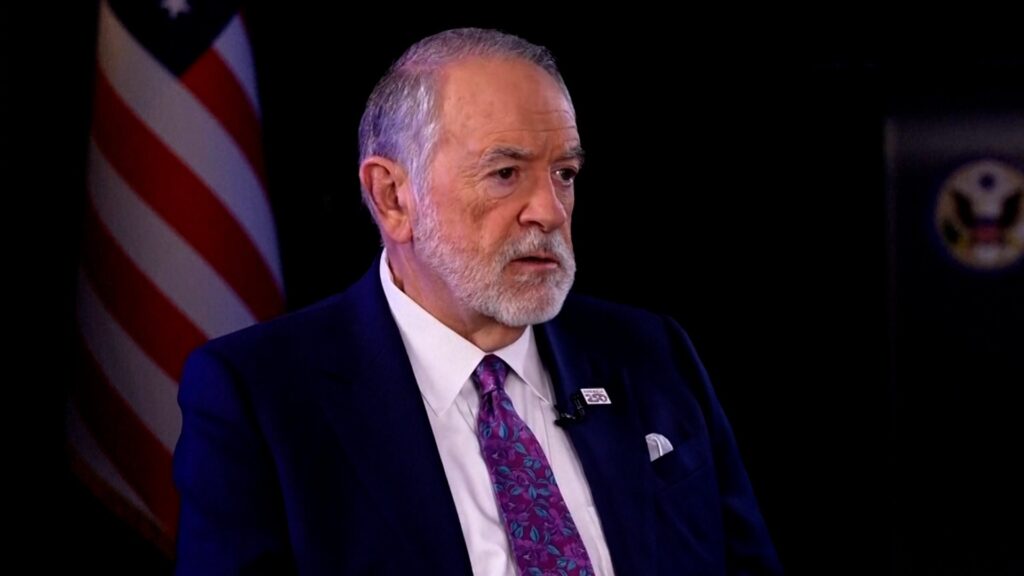
In a significant and candid statement, US Ambassador to Israel Mike Huckabee has characterized Israeli settler violence in the occupied West Bank as ‘terror.’ This strong wording marks a notable moment in diplomatic discourse, highlighting increasing concern over the violent acts perpetrated by settlers.
Ambassador Huckabee’s remarks underscore the gravity of settler violence, which has been a persistent and contentious issue in the Israeli-Palestinian conflict. Incidents involving settler attacks on Palestinian communities often lead to severe injuries, damage to property, and heightened tensions in an already volatile region.
Settler violence includes acts such as vandalism, physical assaults, destruction of agricultural land, and harassment of Palestinian residents. These actions not only provoke fear and insecurity among Palestinians but also complicate efforts towards peace and coexistence.
The West Bank, occupied by Israel since 1967, remains a focal point of conflict. Israeli settlements in this territory are considered illegal under international law, a position supported by numerous United Nations resolutions. However, Israel disputes this characterization, and the settlements continue to expand.
Ambassador Huckabee’s use of the term ‘terror’ to describe settler violence aligns with growing international criticism of these acts and suggests a tougher stance by the US on this aspect of the conflict. This may influence diplomatic relations and impact ongoing peace negotiations.
The US has historically been a key ally of Israel, often providing significant military and economic support. Despite this, there has been increasing international pressure on Israel to curb settlement expansion and address settler violence. The ambassador’s statement may signal a shift towards holding perpetrators accountable.
Israeli government responses to settler violence have been criticized as inadequate by human rights organizations, which argue that law enforcement officials often fail to prevent or punish these crimes effectively. This contributes to a culture of impunity that encourages further violence.
Palestinian leaders and rights groups have long condemned settler violence, viewing it as a tool of intimidation and displacement aimed at undermining Palestinian presence and claims in the West Bank. They demand stronger international intervention and protection.
The terminology used by diplomats like Ambassador Huckabee can have profound implications. By labeling settler violence as ‘terror,’ the US is placing it on a similar moral and political footing as recognized acts of terrorism, potentially altering the framework of international response.
This development occurs amid a broader context of instability and sporadic outbreaks of violence in the region. It signals an urgent need for comprehensive measures to address underlying tensions and protect vulnerable communities.
Moving forward, it will be critical for both Israeli and Palestinian leaders, supported by the international community, to pursue dialogue and concrete actions to halt settler violence, uphold human rights, and resume meaningful peace talks.
Ambassador Huckabee’s statement is a reminder that violence in any form should be unequivocally condemned and tackled with determination to foster lasting peace in the region. The situation remains delicate, with millions affected by ongoing conflict, and the path to peace requires mutual recognition, respect, and adherence to international norms.
As the international community absorbs this frank assessment, it may serve as a catalyst for renewed diplomatic efforts and encourage holders of power to prioritize justice and security for all inhabitants of the occupied territories.
The US ambassador’s words resonate beyond the immediate context, highlighting the broader challenges of achieving stability and human rights protection in conflict zones. Acknowledging and naming violence is a crucial step in mobilizing effective responses and advancing peace.