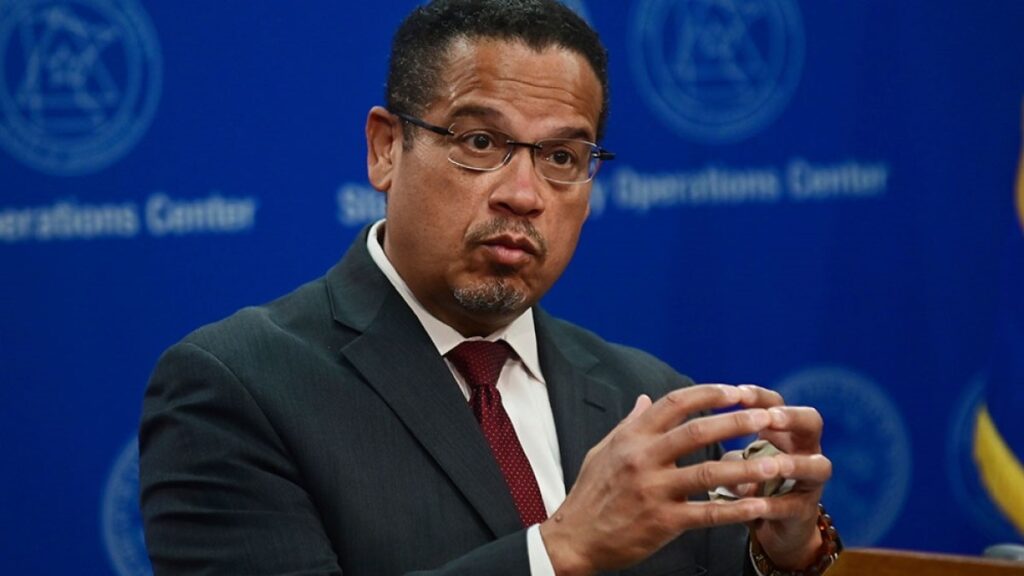
Minnesota State Attorney General Keith Ellison has initiated legal action against Texas Governor Greg Abbott, seeking the extradition of an ICE agent accused of providing false statements regarding a nonfatal shooting incident. The suit underscores a growing tension between state authorities in Minnesota and Texas over this high-profile case.
The case centers around an ICE agent who allegedly lied about the circumstances surrounding a nonfatal shooting. The shooting incident has triggered concerns about the conduct and accountability of immigration enforcement officers in the region. Minnesota officials assert that the agent’s testimony was misleading and that justice must be served by prosecuting the case fully within Minnesota’s jurisdiction.
Attorney General Ellison has formally demanded the transfer of the ICE agent from Texas to Minnesota, where the investigation and potential prosecution are ongoing. However, Texas Governor Abbott has been resistant to the extradition request, prompting the Minnesota official to sue for legal enforcement of the transfer.
The lawsuit highlights the complexities of jurisdictional authority and interstate legal cooperation, particularly in cases involving federal agents and immigration enforcement. Minnesota alleges that securing the agent’s presence in the state is essential for a fair trial and for upholding justice for the shooting victim.
This confrontation between two states’ leadership also reflects broader political and legal battles over immigration policies and the accountability mechanisms for law enforcement officers. The outcome of the suit could have significant implications for how states handle extradition requests involving federal agents and cooperation between state and federal jurisdictions.
As the legal proceedings unfold, Minnesota’s Attorney General remains firm in his position that allowing the ICE agent to avoid Minnesota jurisdiction would undermine efforts to address alleged misconduct and ensure transparency within immigration enforcement agencies. The case is expected to attract considerable public and media attention given its implications for legal accountability and inter-state relations in the United States.