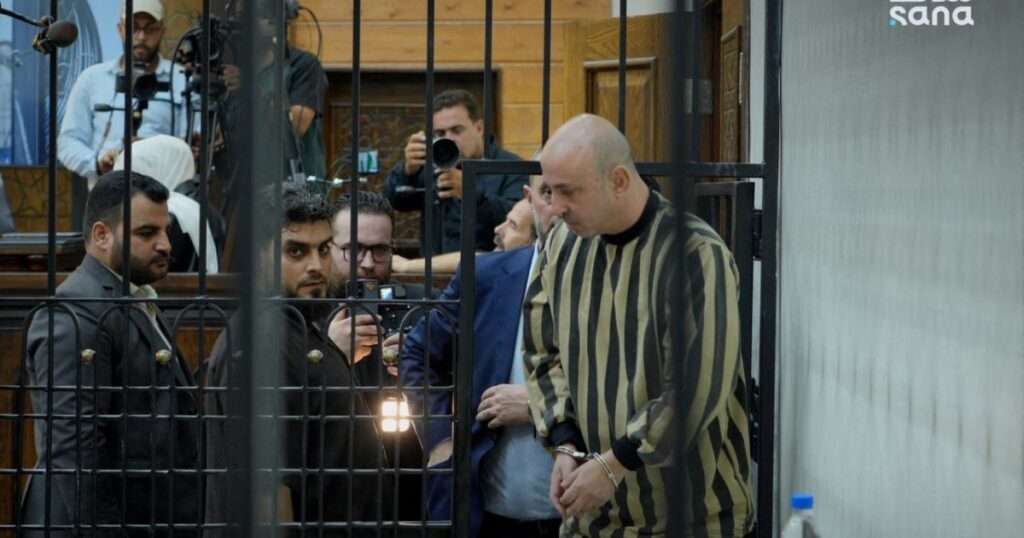
Wassim al-Assad, a prominent figure implicated in war atrocities during the Syrian conflict, has recently been sentenced to death. This development marks a significant moment in the ongoing efforts to hold individuals accountable for crimes committed during the tumultuous Syrian war.
Wassim al-Assad is known for his involvement in brutal acts during the conflict, contributing to the suffering and devastation experienced by countless Syrians. His actions have been under scrutiny as international and local bodies seek justice for victims.
The latest death sentence handed down to Wassim al-Assad comes just a week after former Syrian President Bashar al-Assad was also sentenced to death. This sequence of judgments highlights an intensified push towards accountability at the highest levels of power connected to the Syrian war.
The conflict in Syria, which began in 2011, has led to widespread devastation, with numerous documented cases of human rights violations and war crimes. The sentences reflect a broader legal and moral reckoning within the context of ongoing peace and reconciliation efforts.
Wassim al-Assad’s conviction is part of a larger attempt to address the atrocities committed by various factions and individuals throughout the conflict. While Bashar al-Assad’s sentence captures global attention due to his role as the head of state, figures like Wassim al-Assad are also being targeted to dismantle the networks that enabled the conflict’s cruelty.
The exact specifics of Wassim al-Assad’s crimes have been reported to include participation in violent operations, torture, and other severe violations that defied international humanitarian laws. Legal experts view these sentences as precedent-setting, potentially paving the way for further prosecutions.
The international community has closely monitored these developments, emphasizing the importance of fair trials and transparency in judicial processes. Human rights organizations have advocated for justice that not only punishes those guilty but also establishes a foundation for Syria’s future stability.
Despite these legal victories, the road ahead remains challenging. The Syrian conflict’s complexity, involving multiple actors and deep-seated grievances, suggests that achieving comprehensive justice will require continued dedication and cooperation among nations and organizations.
As these sentences are publicized, they send a powerful message to those involved in the conflict as well as victims seeking closure. They underscore the principle that impunity will not be tolerated and that accountability is a crucial step toward healing.
Wassim al-Assad, alongside other prominent figures, now awaits the execution of the sentence, pending any potential appeals. These unprecedented legal actions represent a turning point in Syria’s fractured society and its pursuit of peace.
Overall, the sentencing of Wassim al-Assad emphasizes the international and domestic commitment to addressing war crimes and promoting justice in the aftermath of one of the most devastating conflicts in the modern era.