California’s special election to replace Eric Swalwell has turned into a significant political event, despite initially receiving little public attention. This election gained unexpected prominence due to the involvement of influential external groups and increased spending, particularly from the American Israel Public Affairs Committee (AIPAC).
Eric Swalwell, a prominent Democratic congressman, vacated his seat, triggering the special election to find his successor. While special elections are often low-profile takeaways, this race stands out due to its strategic importance and the high stakes involved.
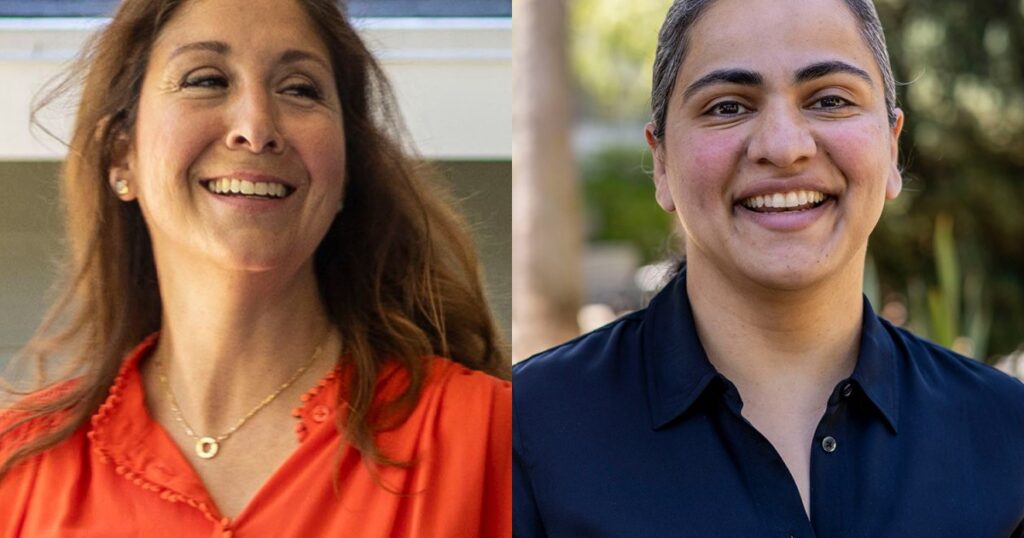
Initially, candidates in the race were local figures not widely recognized beyond their districts. However, as the race developed, it attracted national attention, especially from groups interested in America’s foreign policy and legislative direction.
One of the key players in the increased interest around this election is AIPAC, a powerful lobbying firm with vested interests in U.S.-Israel relations. The committee has pumped considerable financial resources into supporting preferred candidates, aiming to influence the composition of Congress on matters crucial to their agenda.
This infusion of outside money has transformed the election dynamics, making the contest more competitive and closely watched. Candidates are now compelled to address broader national issues, including foreign policy, in addition to local concerns.
Observers note that the special election has become a proxy battleground for competing political ideologies and lobbying interests. The high-profile involvement of AIPAC underscores how influential groups can leverage local elections to impact national politics.
Voters in the district are faced with choices that may define legislative priorities on key issues ranging from homeland security to international alliances. The candidates’ platforms are scrutinized not only for local relevance but also for alignment with broader geopolitical perspectives.
The media coverage around the special election has expanded, highlighting the contest’s unusual nature due to external spending and lobbying efforts. This has led to increased voter engagement and interest, which is sometimes rare in special elections.
As the election date approaches, all eyes are on the candidates’ campaigns, debates, and endorsements. The outcome could signal shifts in political power dynamics and influence future policymaking both in California and on the national stage.
In sum, California’s special election to replace Eric Swalwell has evolved from a routine local electoral process into a significant event marked by substantial outside intervention, strategic campaigning, and national implications. This election serves as a reminder of how local contests can rapidly escalate into arenas for broader political battles, driven by influential organizations like AIPAC.
Understanding this election is crucial for voters and observers alike, as it highlights the intersection of local democracy and national influence in American politics.