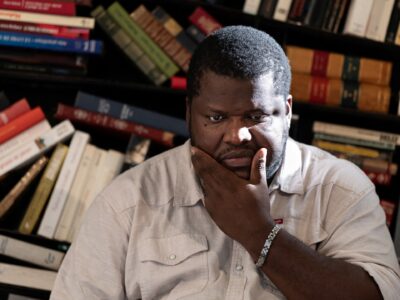
Andrey Klepach, a top economist at Russia’s state development bank VEB, has been removed from his position following his warnings about the escalating economic costs of Russia’s ongoing war in Ukraine. Klepach, known for his sharp analysis and candid assessments, had publicly stated that Russia was falling behind its global economic rivals due to the financial strain caused by the conflict.
Klepach’s warnings highlighted the unsustainable nature of the war’s economic burden on Russia, pointing out that the costs were not only immediate but would also have long-term detrimental effects on the country’s development and global standing. His analysis included concerns over sanctions, increased military expenditures, and disruptions to trade and investment.
The economist emphasized that these mounting costs could undermine Russia’s economic stability and slow down growth, urging policymakers to consider the broader implications of continuing the conflict. However, his frank assessments reportedly did not sit well with political leaders who prefer a more optimistic narrative.
Following these warnings, Klepach was abruptly ousted from his role at VEB, Russia’s state development bank, an institution central to the country’s economic planning and development financing. This move is seen by many analysts as indicative of the Kremlin’s intolerance for dissenting views, especially in matters related to the war in Ukraine.
Klepach’s removal has sparked concern among economists and international observers who view his expertise as crucial for understanding the real economic impacts of the war. His departure is feared to signal a narrowing space for open economic debate in Russia as the government tightens control over economic discourse.
Previously, Klepach held influential roles in Russia’s economic institutions and was respected for his data-driven approach and willingness to challenge prevailing policies. His ousting may discourage other experts from speaking out about the economic consequences of state actions.
The situation underscores the broader tensions within Russia’s political and economic spheres as the war drags on, with growing costs becoming harder to conceal or downplay. Economic experts warn that without transparent dialogue and realistic assessments, Russia’s ability to manage the repercussions effectively will be severely compromised.
In the international context, Klepach’s warnings had been seen as a valuable insider perspective on the real toll the war is taking on Russia’s economy, contrasting with official state media portrayals that often minimize the negative impacts.
As Russia continues its military campaign in Ukraine, the economic ramifications are expected to intensify, making the suppression of critical voices like Klepach’s particularly concerning for analysts forecasting Russia’s future economic trajectory.
The removal of such a prominent economist signals that the Russian government may prioritize political loyalty and control over frank economic analysis, potentially at the cost of well-informed policy decisions.
Observers urge that allowing space for economic experts to voice concerns and offer solutions is vital for Russia to navigate the complex economic challenges posed by the ongoing conflict and international sanctions.
Klepach’s case serves as a stark reminder of the challenges faced by professionals who attempt to provide honest assessments in politically sensitive situations, highlighting the intersection of economics and politics amid conflict.