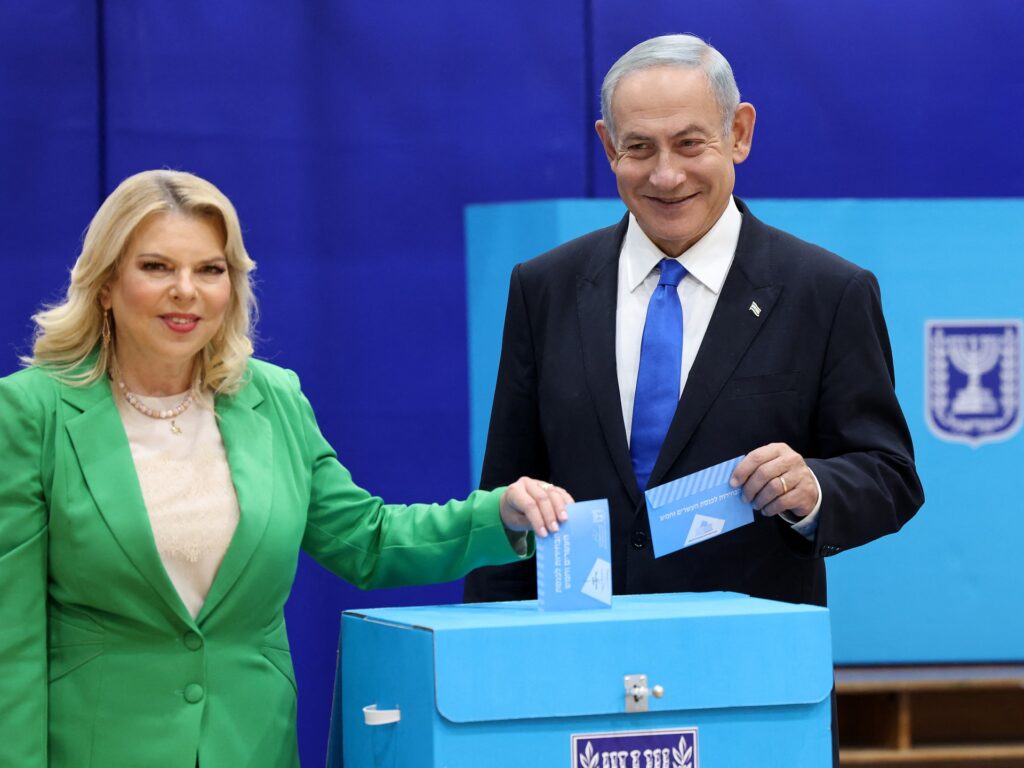
On Monday, Israel’s governing party, Likud, is set to hold its primaries to determine the candidate list for the upcoming general elections. This is a significant event as it will decide who will represent the party in the next round of national elections, potentially shaping the future political landscape of Israel.
The primaries come at a crucial time when the country is facing various internal and external challenges, including security concerns, economic issues, and regional diplomacy. As the party led by Prime Minister Benjamin Netanyahu, the outcome of these primaries will influence the party’s strategy and policy direction.
Likud’s primaries are a competitive event where party members vote to select their preferred representatives. The candidates vying for positions include both longstanding politicians and new faces seeking to make their mark. The results will determine the order of candidates on the party’s election list, which is critical as the number of seats won in the Knesset is directly linked to the list order.
Prime Minister Netanyahu’s leadership remains a central theme in the primaries. His influence within the party and his vision for Israel’s future are key factors that many voters consider. Supporters argue that Netanyahu’s experience and international stature are assets, especially in dealing with security and diplomatic challenges.
The opposition parties are watching closely, as the strength of the Likud list could influence coalition-building efforts after the elections. Israel’s political system, which often requires coalition governments, means that the primaries have implications beyond just the Likud party.
The campaign for the primaries has seen intense debate over domestic policies such as economic reforms, housing, and social issues, alongside broader topics like national security and foreign relations. Candidates are positioning themselves to appeal to a wide base within the party, attempting to balance traditional values with the need to address contemporary issues.
Analysts suggest that the outcomes of these primaries could indicate broader political trends ahead of the general elections. They note that voter turnout and candidate performance might reflect popular sentiments on Netanyahu’s governance and the party’s direction.
In conclusion, the Likud party primaries represent a pivotal moment for Israel’s ruling party as it prepares for the general elections. The decisions made on Monday will not only determine the candidate slate but also potentially influence the country’s political course in the coming years.