In a significant development amid escalating tensions, Iran has signaled its readiness to respond to potential US ground operations following the expiration of a key Memorandum of Understanding (MoU). This move marks a shift towards a more aggressive stance by Tehran, closely following controversial remarks from former US President Donald Trump suggesting that the US would soon claim the Strait of Hormuz as its territory.
The expiration of the MoU, a diplomatic agreement that had helped de-escalate regional security concerns, has raised alarms about the stability of the Persian Gulf area. Iran’s response indicates that it is preparing for possible new military scenarios that involve direct confrontation with US forces.
The Strait of Hormuz, a narrow passage connecting the Persian Gulf to the Gulf of Oman and the Arabian Sea, is one of the world’s most strategically vital chokepoints for oil transport. Approximately 20% of the world’s petroleum passes through this strait, making it a critical artery for global energy supplies.
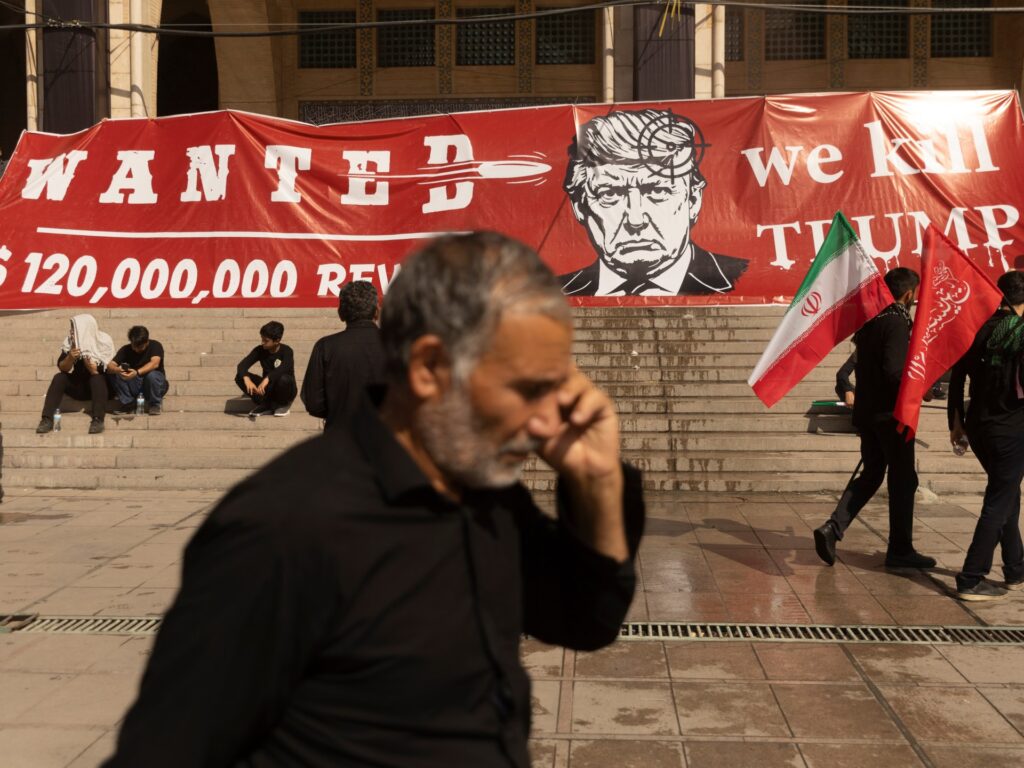
Trump’s provocative assertion about US territorial claims over the Strait of Hormuz has been widely condemned by international actors and has exacerbated tensions between the US and Iran. Tehran views such statements as a direct threat to its sovereignty and regional influence.
Iranian officials have stated that they are fully prepared to defend their territorial waters and airspace, and their readiness extends to countering any US ground operations that may seek to challenge Iran’s control or influence in the region.
The expiration of the MoU removes a previously established framework for communication and risk reduction between US and Iranian military forces, increasing the risk of miscalculation and accidental conflict.
Experts suggest that both sides now face heightened challenges in managing their strategic interests without the safety net provided by the MoU, raising fears of broader military confrontations.
Iran’s posture is also seen as a message to its regional and international partners, signaling its unwillingness to back down amid pressure and threats.
The US, for its part, has maintained that it seeks to ensure freedom of navigation through the Strait of Hormuz but insists it does not have ambitions to claim sovereignty over the waterway.
Nonetheless, the rhetoric and actions on both sides have generated significant uncertainty in global markets, especially concerning energy prices and supply chain security.
International diplomatic efforts continue in hopes of de-escalating tensions and encouraging dialogue between Washington and Tehran.
The broader geopolitical context involves complex alliances and rivalries in the Middle East, including Iran’s relations with neighboring Gulf states, which are closely watching developments in the Strait of Hormuz for their own national security implications.
In conclusion, Iran’s readiness for potential US ground operations following the expiration of the MoU represents an escalation in an already volatile situation. The international community remains on alert, urging restraint and dialogue to prevent any further deterioration of peace and stability in the region.