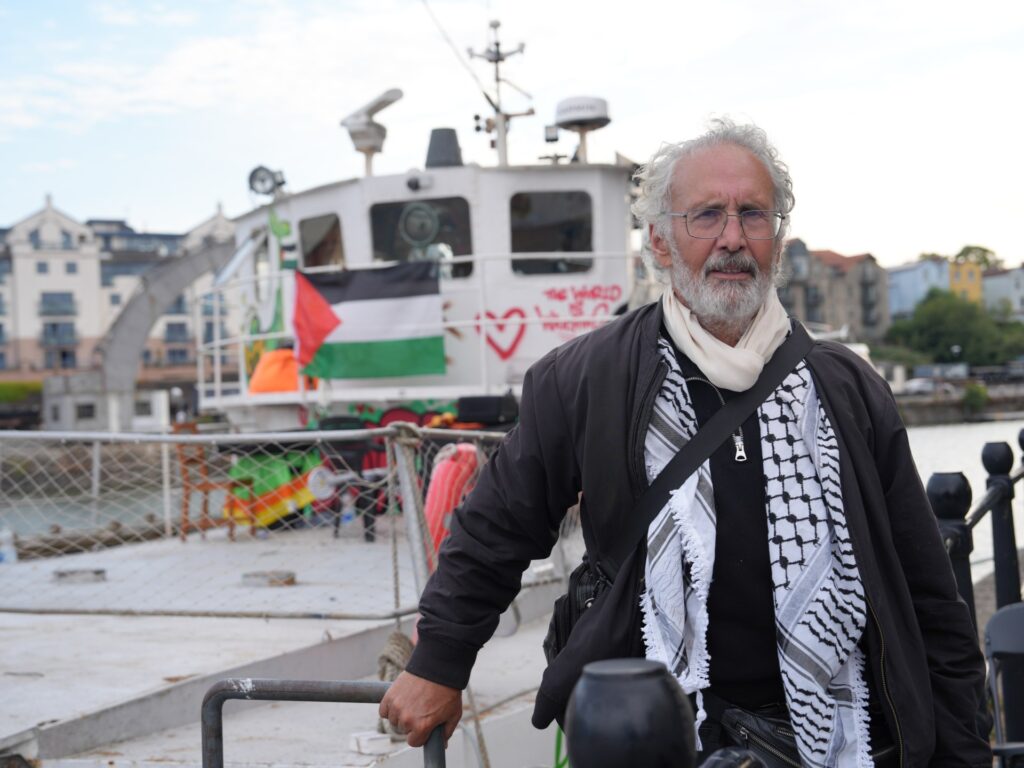
In a bold humanitarian effort, a boat named Kate has set sail from the port city of Bristol, United Kingdom, with the aim of breaking the Israeli blockade of Gaza. Onboard the vessel are twelve individuals, including the captain, who are determined to deliver much-needed aid to the beleaguered residents of Gaza.
The voyage, organized by a coalition of international activists and aid groups, seeks to challenge the ongoing Israeli siege that has severely restricted the flow of essential goods and humanitarian assistance to Gaza. The blockade has been in place for years, contributing to a dire humanitarian situation characterized by shortages of food, medicine, and other critical supplies.
The crew aboard the Kate is comprised of volunteers, sailors, and aid workers who have banded together to navigate through the politically sensitive and potentially dangerous waters surrounding Gaza. Their mission underscores the urgency felt by many around the world to address the humanitarian crisis.
Preparations for the trip involved extensive logistical planning, including securing necessary provisions for the journey and coordinating with international maritime authorities. Supporters of the mission argue that the blockade violates international law and exacerbates the suffering of civilians in Gaza.
As the Kate makes its way towards the Mediterranean Sea, the international community watches closely, with many hoping the mission will draw attention to the plight of Gaza’s population and pressure Israel to ease or end the blockade.
The Israeli government has historically maintained that the blockade is necessary for security reasons, aiming to prevent weapons smuggling into the Gaza Strip. However, critics contend that the blockade amounts to collective punishment and causes disproportionate harm to ordinary people.
The crew aboard the Kate is aware of the risks involved, including the possibility of interception by Israeli naval forces. Despite these risks, they remain committed to their goal of delivering aid and breaking the siege.
Humanitarian organizations have expressed support for the initiative, emphasizing the urgent need for unrestricted access to Gaza for aid delivery. They argue that political disputes should not impede life-saving assistance to civilians.
As global attention turns to this daring voyage, the Kate’s journey highlights the broader challenges faced by those seeking to alleviate suffering in conflict zones. The mission symbolizes the resilience and determination of humanitarian actors confronting complex political realities.
The unfolding events surrounding the Kate’s sail will likely impact ongoing debates about international law, human rights, and the responsibilities of nations in conflict situations. Observers anticipate that the mission could inspire similar efforts aimed at breaking blockades and delivering essential aid to other regions in crisis.
In the meantime, the people of Gaza continue to endure hardships, hoping for relief and improved conditions. The Kate’s journey represents not just a physical voyage across the sea, but a symbolic beacon of hope amid an enduring crisis.
This mission from Bristol embodies a growing movement advocating for humanitarian access and the protection of civilians in conflict zones worldwide. It underscores the power of collective action and the determination of individuals to make a difference, even in the face of formidable obstacles.