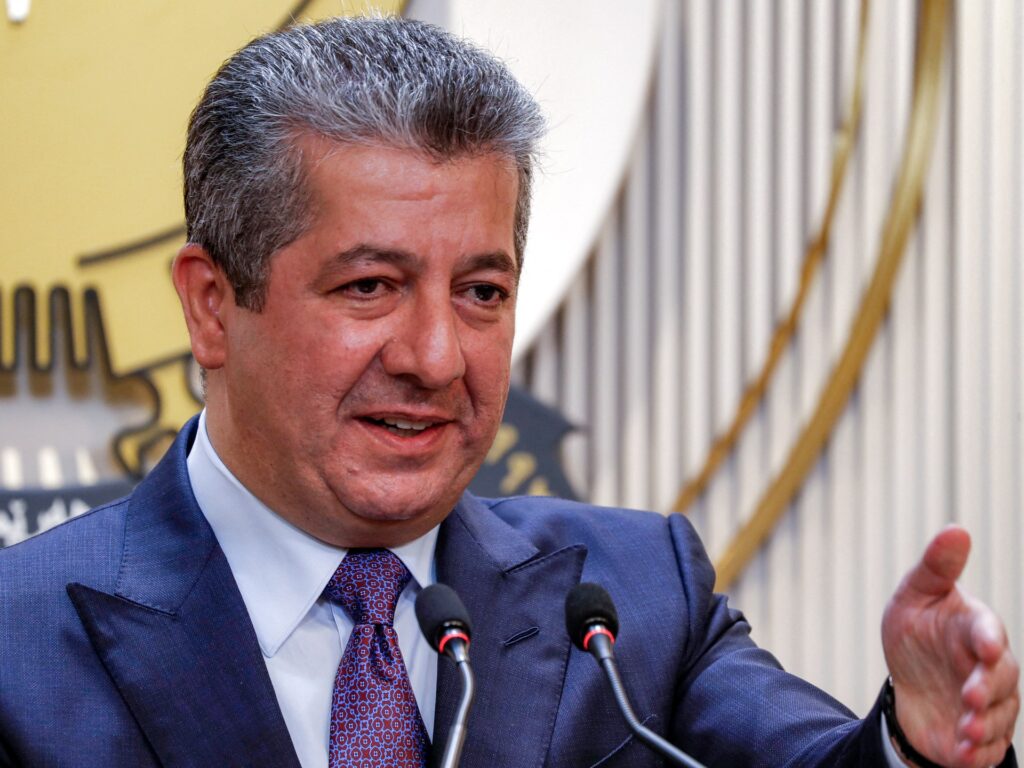
In a recent incident that has raised significant security concerns, explosive drones targeted the office of the Iraqi Kurdish Prime Minister, Masrour Barzani, as well as the residence of the security chief. Despite the seriousness of the attack, no casualties have been reported, according to official sources.
The use of drones in this attack marks a continuing evolution in the tactics employed by militant groups in the region, highlighting the persistent volatility and threats within Iraqi Kurdistan. The drones were equipped with explosives, aiming to inflict maximum damage on high-profile political figures.
Prime Minister Barzani, a key political leader in the Kurdistan Region of Iraq, escaped unharmed, and the security apparatus responded swiftly to neutralize ongoing threats. The residence of the security chief, a critical figure in maintaining stability and security in the area, was also targeted but with no reported injuries or fatalities.
Authorities are currently investigating the attack to identify the perpetrators and their motives. Early indications suggest the involvement of groups hostile to the Kurdish regional government, aiming to destabilize the region or send a political message.
This attack comes amid a backdrop of heightened tensions in northern Iraq, where geopolitical rivalries and internal conflicts continue to challenge security forces.
The Kurdish government has condemned the attack strongly and vowed to enhance security measures to protect officials and governmental institutions from such threats in the future. Enhanced drone detection and interception systems are expected to be a key part of the new security protocols.
International observers and neighboring countries have expressed concern over the escalation of drone attacks, noting the increased risk to regional stability. The incident underscores the urgent need for collaborative security efforts to address the growing threat of unmanned aerial vehicle (UAV) attacks in conflict-prone areas.
No group has immediately claimed responsibility for the drone strike, but speculation is rife concerning various militant factions active in the region. The incident serves as a reminder of the fragile security environment and the ongoing challenges faced by the Kurdish Regional Government in safeguarding its leaders and institutions.
In conclusion, the drone attack targeting Prime Minister Masrour Barzani’s office and the security chief’s residence in Iraqi Kurdistan is a serious escalation in the use of UAVs in regional conflicts. The lack of casualties is a relief, but the attack highlights vulnerabilities and the need for increased vigilance and defensive capabilities in the face of evolving threats.