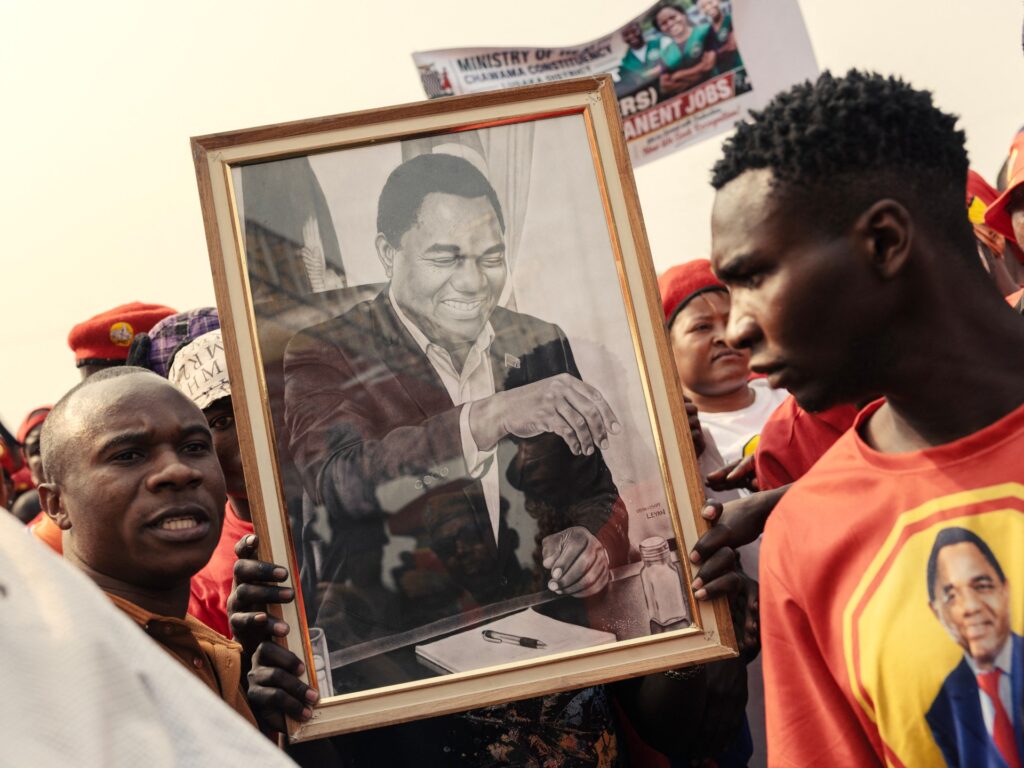
In the early stages of Zambia’s recent election, incumbent President Hakainde Hichilema is showing a strong lead, positioning himself for an outright victory. The electoral process, however, has been marred by allegations from opposition parties who claim that their campaign efforts have been violently disrupted, including reports of an armed raid targeting opposition activities.
President Hichilema, who has been in office since 2021, campaigned on a platform of economic recovery and fighting corruption, resonating with a significant portion of the electorate. Early vote counts suggest that these promises may have helped solidify his support base.
Despite the apparent momentum for Hichilema, international and local election observers have raised concerns about the fairness of the campaign environment. Reports of political violence and intimidation tactics have surfaced, putting a spotlight on the challenges opposition parties face.
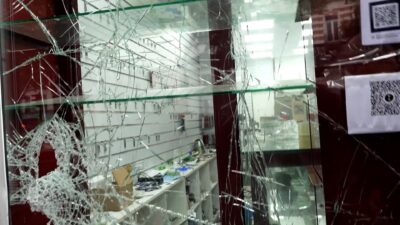
The opposition alleges that the political landscape has been uneven, with their rallies and gatherings sometimes interrupted by incidents of violence. One particularly troubling allegation involves an armed raid that targeted opposition supporters, raising fears about the security of the electoral process and the potential suppression of dissent.
Observers have noted that the presence of state resources and media coverage has appeared tilted in favor of the incumbent, contributing to a campaign field that is far from level. This has prompted calls from multiple stakeholders for vigilance and restraint from all parties to ensure a peaceful and credible electoral outcome.
The election comes at a critical time for Zambia, a nation grappling with economic challenges and the need for stable governance. President Hichilema’s current lead indicates that a significant portion of the population supports continuity in leadership to address these issues.
Opposition leaders, however, warn that the credible functioning of democracy depends on all voices being heard without fear or intimidation. They have called for investigations into all reported incidents of violence and stressed the importance of transparency and accountability in the electoral process.
As the votes continue to be counted, the eyes of both the Zambian public and the international community remain fixed on the unfolding electoral developments. The outcome will have far-reaching implications for the political trajectory and democratic health of Zambia.
In the coming days, it is expected that electoral officials will provide further updates on vote tallies, and possibly declare the official outcome. Meanwhile, calls for peace, respect for democratic principles, and justice continue to reverberate throughout the country.
This election highlights the ongoing challenges faced by many democracies in Africa, where the struggle for free and fair elections can often be compromised by violence and unequal political playing fields. The resolution of these issues in Zambia will not only impact its own future but also serve as a reference point for democratic practices across the continent.