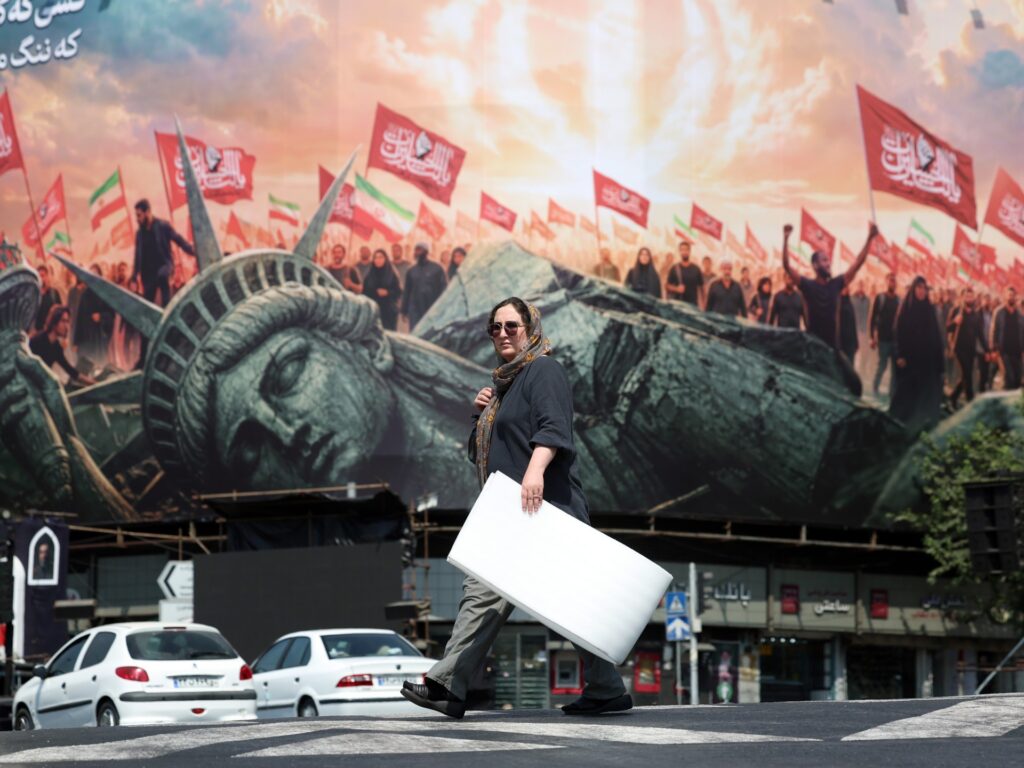
In the evolving geopolitical landscape of the Middle East, significant developments are unfolding with the Iran-US relationship and the ongoing Israeli-Palestinian conflict. The Memorandum of Understanding (MoU) between Tehran and Washington is approaching its expiration date, signaling potential shifts in diplomatic engagements and regional stability. This expiration could lead to renewed tensions or open avenues for renegotiations depending on subsequent diplomatic actions.
Simultaneously, in a remarkable diplomatic move, Hamas leader Yahya Al-Khayya met with Jared Kushner in Cairo. This meeting marks a rare instance of direct communication between representatives associated with Hamas and a key figure from the United States administration. Jared Kushner, known for his involvement in Middle East peace initiatives, has been actively seeking channels to facilitate dialogue between conflicting parties.
Following their meeting, Hamas issued a call to the Board of Peace, urging the international body to ‘compel’ Israel to accept the Gaza peace plan. This plan, presumably drafted to bring an end to hostilities and address humanitarian concerns in Gaza, has not been embraced by Israel, leading to ongoing clashes and suffering in the region.
The call from Hamas reflects the worsening humanitarian situation in Gaza and the persistent challenges in achieving a sustainable peace agreement. The international community remains divided, with differing opinions on how best to resolve the conflict and ensure security for all parties involved.
Iran’s role in the conflict is also critical, as Tehran’s regional influence and support for groups like Hamas add layers of complexity to the peace process. The nearing expiry of the Tehran-US MoU could impact Iran’s strategic decisions and alliances, potentially affecting the broader regional dynamics.
As Israel continues its military operations in Gaza, the pressures for a ceasefire and diplomatic resolution mount. The meeting in Cairo could signal a potential opening for negotiations, though skepticism remains high given the decades of conflict and mistrust.
Experts highlight that sustained dialogue, supported by international mediation, will be essential to preventing further escalation. The involvement of high-profile figures like Kushner may help bridge gaps, but the core issues—security, borders, refugees, and political recognition—remain deeply contested.
In conclusion, the geopolitical scene in the Middle East remains volatile with the imminent expiration of the Tehran-US MoU and the diplomatic overtures involving Hamas and US representatives. The international community closely watches these developments, hopeful for a breakthrough that could bring lasting peace to the region plagued by prolonged conflict and human suffering.