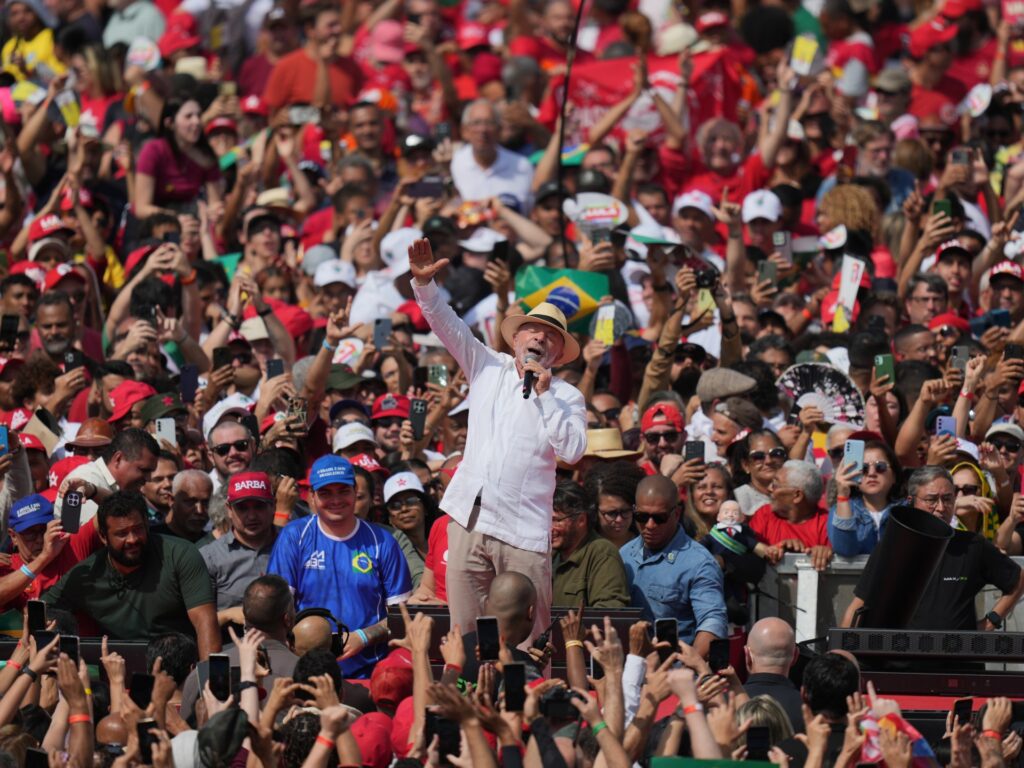
In a pivotal moment for Brazilian politics, Luiz Inácio Lula da Silva, commonly known as Lula, and Jair Bolsonaro, incumbent President, have both returned to their political strongholds to formally launch their campaigns for president in the upcoming election. This move sets the stage for what is expected to be a fiercely contested race, highlighting the stark contrasts between the two leaders.
Lula, a left-wing leader who previously served as president from 2003 to 2010, has showcased his commitment to social inclusion and economic reform in his campaign agenda. His return to his stronghold is symbolic, reinforcing his connection with the working-class and poorer regions that formed the core of his political base.
Meanwhile, Jair Bolsonaro, representing the right-wing spectrum and the current incumbent, has similarly energized his base by campaigning in regions where he enjoys strong support. Known for his tough rhetoric and conservative stance, Bolsonaro appeals to voters who favor security and traditional values.
A key element in both candidates’ recent campaign strategies is their appeal to women voters, a historically decisive demographic in Brazil’s elections. Both Lula and Bolsonaro have pledged to tackle the escalating problem of femicide and gender-based violence—issues that have gripped Brazilian society in recent years.
Brazil has witnessed a disturbing rise in cases of femicide, with women facing significant threats to their safety and rights. In response, Lula has promised to implement comprehensive social policies aimed at protecting women and promoting gender equality, promising increased funding for shelters and support services.
On the other hand, Bolsonaro has framed his approach as strengthening law enforcement and judicial measures to ensure harsher punishments for perpetrators of gender violence. His campaign rhetoric emphasizes restoring public order and security as fundamental to addressing these crimes.
Experts note that the focus on women’s safety represents an acknowledgment by both candidates of the urgency of this issue and its importance to the electorate. Women’s groups and activists are closely watching how these promises will translate into tangible actions if either candidate wins.
The election is set against a backdrop of economic challenges and social unrest, with voters looking for leadership that can unify the nation and address pressing concerns. The candidates’ appeals to women voters could prove decisive, potentially swaying the outcome in a tight race.
This presidential contest underscores the polarized nature of Brazilian politics, with Lula and Bolsonaro symbolizing divergent visions for the country’s future. As campaign activities ramp up, the electorate is reminded of the critical stakes involved, particularly regarding social justice and public security.
As Brazil heads to the polls, the responses to femicide and gender violence will likely remain central themes, reflecting broader societal demands for safer communities and a more equitable society. The upcoming election is not just a political contest; it is a referendum on the direction Brazil will take in addressing some of its most urgent social issues.