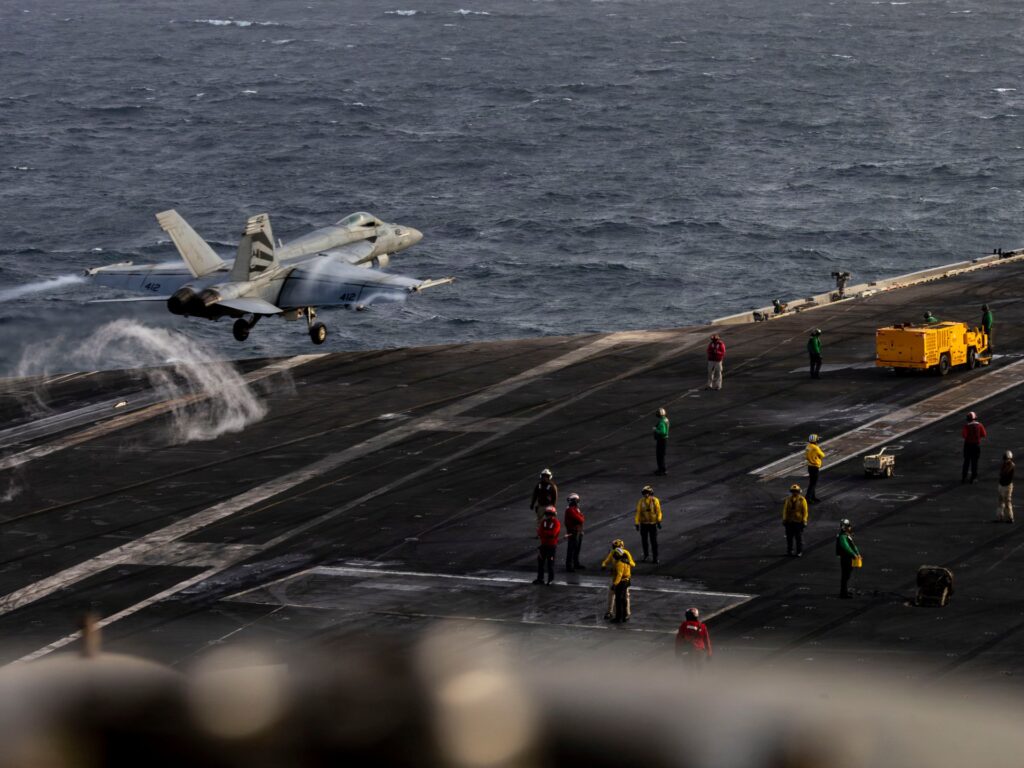
In recent developments concerning the USS Abraham Lincoln, a US Navy aircraft carrier, some alarming reports have surfaced about the mental health of its crew. Politicians and military officials have expressed serious concern following accounts that some sailors on board have struggled with mental health challenges, including incidents where individuals reportedly attempted to jump overboard.
Despite these troubling reports, a US admiral has publicly praised the crew of the USS Lincoln for their professionalism and dedication under challenging circumstances. The admiral emphasized the resilience and commitment of the sailors who continue to carry out their duties with diligence.
The situation has prompted increased attention to the mental wellbeing of service members aboard naval vessels, especially aircraft carriers where the demands can be extreme due to extended deployments and high operational tempo.
Mental health challenges in the military are a persistent issue, as personnel face stressors including long separations from family, intense work environments, and the physical rigor of service life. The reported incidents aboard the USS Lincoln highlight the urgent need for enhanced support systems and preventive measures to ensure the welfare of sailors.
Military leadership is reportedly reviewing current mental health resources and protocols to address these concerns more effectively. There are calls from lawmakers and veterans’ groups for comprehensive reforms to better support active-duty service members and reduce the stigma associated with seeking mental health care.
This incident has also spurred a broader conversation within the Department of Defense on how to improve the identification and treatment of mental health issues across all branches of the armed forces. Efforts include increased training for personnel to recognize warning signs and expanded access to counseling and psychological services.
The USS Abraham Lincoln continues its mission while Navy officials work to provide additional resources and support to its crew. The commendation from the admiral serves as a reminder of the dedication of these sailors, even as attention is focused on their mental health needs.
In conclusion, the situation aboard the USS Lincoln has brought critical attention to the mental health struggles faced by military personnel in operational environments. It underscores the importance of bolstering support infrastructure to protect the wellbeing of those who serve.