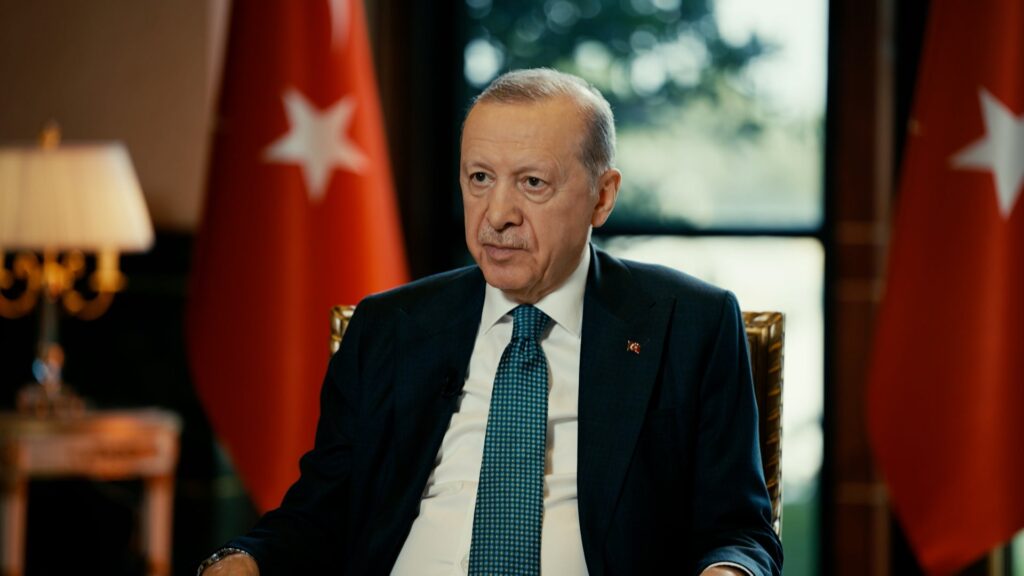
Turkish President Recep Tayyip Erdogan has urgently called for the reopening of the Strait of Hormuz, a crucial waterway that serves as a major conduit for global oil shipments. This call comes in the wake of recent disruptions to oil transport through the strait, raising concerns about global energy security and market stability.
The Strait of Hormuz, located between the Persian Gulf and the Gulf of Oman, is one of the world’s most strategically important chokepoints for oil transit. Approximately a fifth of the world’s petroleum passes through this narrow passage, making it critical for the energy supplies of many countries, especially those heavily reliant on Middle Eastern oil.
Erdogan’s appeal highlights the significant impact that the closure or disruption of the strait can have on both regional economies and global markets. With global energy demand recovering post-pandemic, stability in such key transit routes is paramount.
The Turkish President emphasized the need for diplomatic efforts among regional and international stakeholders to ensure the safe and uninterrupted passage of vessels through the strait. Erdogan urged all parties involved to work toward de-escalating tensions in the region that have led to the strait’s closure or restricted movement.
Tensions in the Strait of Hormuz have been escalating due to various geopolitical conflicts, including rivalry between Iran and other Gulf countries, as well as the international sanctions regime affecting Iranian oil exports. These tensions have occasionally led to threats or actual blockades, significantly disrupting the flow of oil.
The closure or potential blockage of the Strait of Hormuz has previously led to spikes in global oil prices, which in turn have ripple effects on worldwide economic conditions, driving inflation and increasing costs for consumers and industries.
Turkey, as a key player bridging Europe and the Middle East, has vested interests in ensuring energy security. Erdogan’s call for reopening the strait aligns with Turkey’s broader foreign policy goals of promoting regional stability and cooperation.
International reactions to Erdogan’s call are expected, with global powers closely monitoring developments in the region. The reopening of the strait would alleviate pressure on global energy supplies and improve economic forecasts.
Efforts to reopen the Strait of Hormuz will require complex negotiations involving Iran, Gulf states, and global powers such as the United States, China, and the European Union. The diplomatic process will likely focus on security guarantees, freedom of navigation, and dispute resolution mechanisms.
Experts highlight that while reopening the strait is critical, a sustainable long-term solution will need to address the underlying geopolitical tensions that cause intermittent disruptions.
As the situation unfolds, the international community remains hopeful that Erdogan’s call will spearhead renewed dialogue and cooperation aimed at restoring stability in one of the world’s most vital maritime channels.