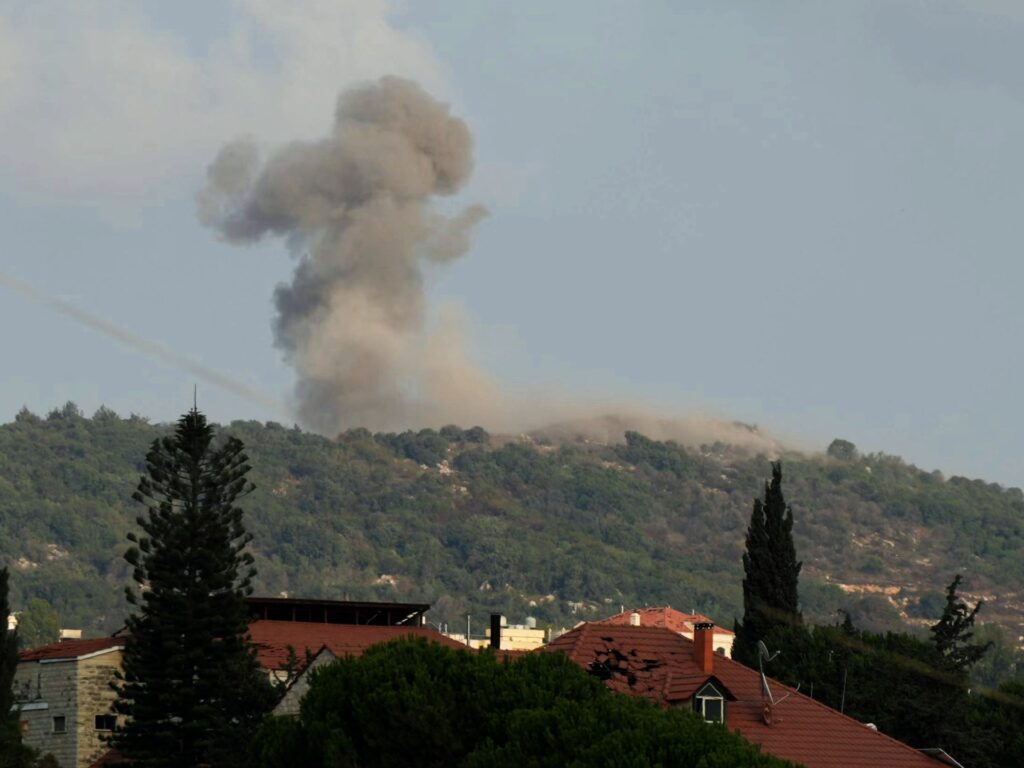
In a significant escalation of hostilities, Israeli air strikes targeting southern Lebanon have resulted in the deaths of nine individuals, marking the deadliest Israeli attack in the region since the June agreements that had previously helped reduce tensions between Israel and Lebanon.
The recent attack has triggered widespread concern and condemnation across the international community, as the fragile peace that had been established appears to be unraveling. The six months following the June agreements were characterized by a notable reduction in cross-border violence and a tentative calm that many hoped would lead to a lasting resolution of longstanding conflicts.
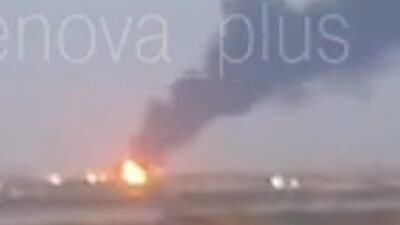
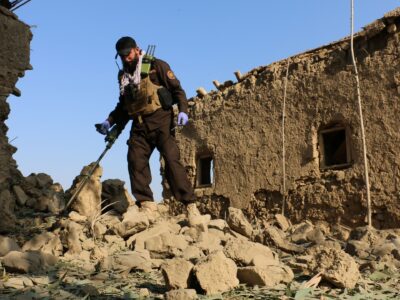
The nine fatalities include combatants and civilians, underscoring the tragic human cost of renewed conflict in the area. Lebanese authorities and local witnesses report that multiple air strikes struck several locations in southern Lebanon, causing extensive damage to infrastructure and property alongside the loss of life.
Israeli officials justify the strikes as necessary actions against militant positions in southern Lebanon, aiming to curtail attacks launched from the territory against Israel. However, critics argue that such military responses exacerbate tensions and contribute to a cycle of retaliation that endangers civilians and undermines regional stability.
The escalation comes amid heightened political tensions in the region, with various factions within Lebanon and Israel strengthening their respective stances. Lebanese political leaders have condemned the attacks, calling for international intervention to prevent further violence and to uphold Lebanese sovereignty.
Human rights organizations have issued urgent calls for restraint from all parties involved, warning that continued hostilities risk a broader conflict that could engulf the region. The destruction of infrastructure in southern Lebanon threatens the livelihoods of local communities already grappling with economic hardship.
The June agreements, brokered with assistance from international mediators, had succeeded in lowering the frequency of armed encounters between Israeli forces and Lebanese militias. The recent surge in violence not only threatens these gains but also raises questions about the sustainability of peace efforts in one of the world’s most volatile regions.
Diplomatic efforts are expected to intensify in the coming days, with key players including the United Nations and regional actors likely to seek avenues for de-escalation. The international community remains watchful, emphasizing the importance of dialogue over military confrontation.
As tensions mount, the people of southern Lebanon bear the brunt of the conflict, facing displacement, insecurity, and trauma. The global community is urged to support humanitarian initiatives and conflict resolution mechanisms to mitigate suffering and foster a durable peace.
This deadly episode serves as a stark reminder that regional stability remains fragile and that renewed commitment to peaceful negotiation is essential to prevent further tragic loss of life.