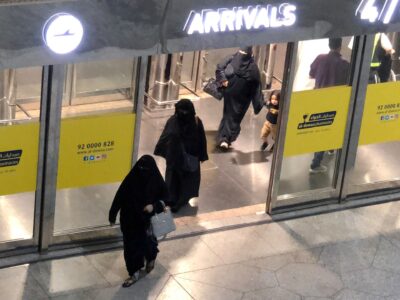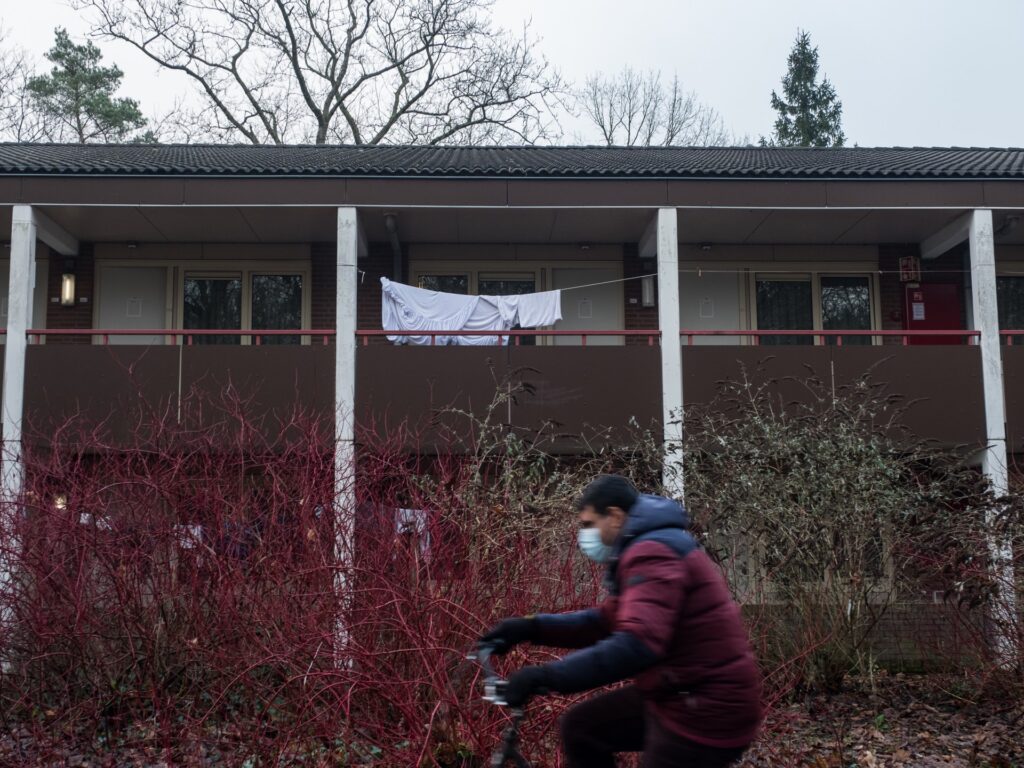
The fall of the former government in Kabul has compelled thousands of Afghans to flee their homeland, seeking refuge primarily in Europe. This mass displacement highlights the ongoing humanitarian crisis, as individuals escape conflict, persecution, and economic instability. However, the reception of Afghan refugees in Europe is becoming increasingly challenging as many European countries experience a political shift to the right.
Since the takeover of Kabul by the Taliban, a significant surge in Afghan asylum seekers has strained European immigration systems. Countries like Germany, France, and Sweden initially opened their borders to offer sanctuary. Nonetheless, the initial solidarity has dwindled amid growing political pressures and rising nationalist sentiments.
Right-wing political parties across Europe have gained ground in recent years, advocating for stricter immigration controls and emphasizing national identity and security. Their rhetoric often positions refugees as a threat to social cohesion and economic stability, contributing to a climate of hostility and skepticism toward asylum seekers.
This shift impacts policy-making, resulting in tougher asylum procedures, increased deportations, and reduced support services for refugees. The European Union has seen debates over burden-sharing, with wealthier member states reluctant to accept more refugees, leading to fragmented and inconsistent responses.
For Afghan refugees, these challenges translate to prolonged uncertainty, limited access to legal protection, and difficulties integrating into host societies. Many live in precarious conditions in refugee camps or temporary accommodations, facing barriers such as language, employment, and cultural differences.
Humanitarian organizations warn that the politicization of refugee issues overshadows the urgent need for compassionate responses and long-term solutions. They advocate for international cooperation to ensure safe pathways for resettlement, adequate support for integration, and respect for human rights.
The situation also raises broader questions about Europe’s role and responsibilities in addressing global displacement, particularly given historical ties and security interests in Afghanistan. While some governments emphasize border defense, there is a growing call among civil society and some policymakers to reaffirm commitments to asylum and refugee protection.
The uncertain future for Afghan refugees in Europe underscores the complex interplay between humanitarian imperatives and political realities. As Europe continues to grapple with these issues, the fate of those fleeing Afghanistan remains a critical test of the continent’s values and the international community’s ability to respond to crises with empathy and justice.