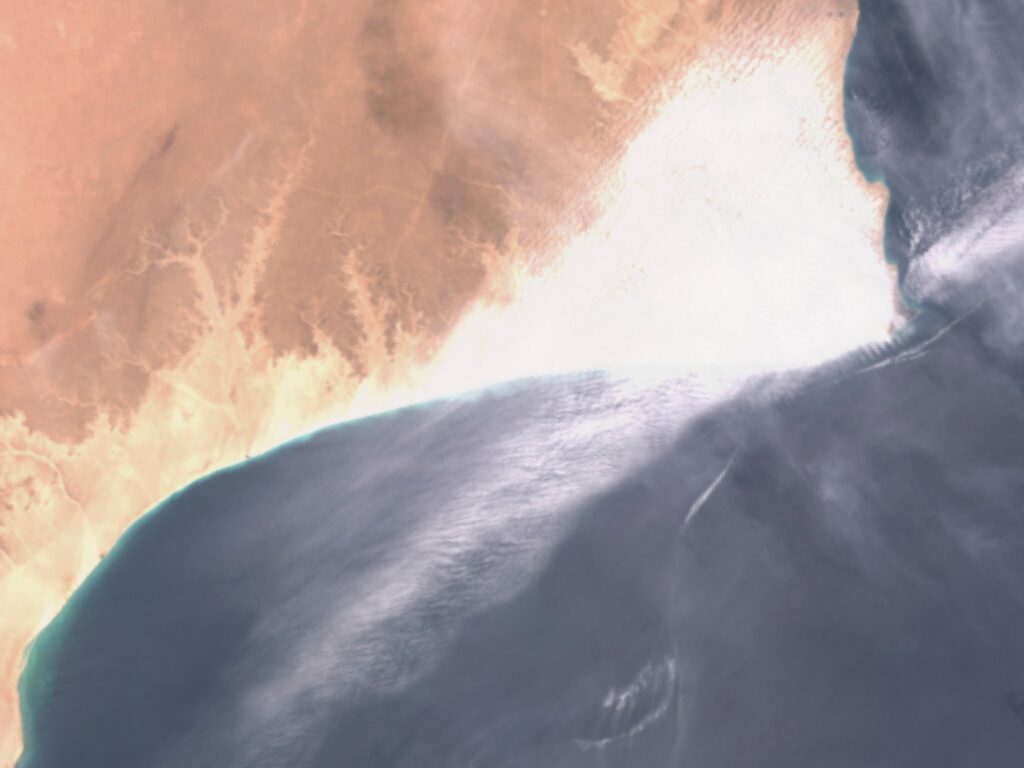
A significant ecological disaster is unfolding off the coast of Oman, where the Caroline Bezengi tanker, having run aground, continues to leak crude oil into the surrounding waters. Authorities have confirmed that the massive oil spill has now reached Oman’s coastline, raising serious concerns about environmental damage and the broader implications for the region.
The Caroline Bezengi, a large tanker vessel, sustained damage upon running aground, leading to continuous leakage of crude oil. This has resulted in one of the most considerable spills in recent years, with vast quantities of oil contaminating the marine environment and threatening the coastline.
Experts warn that the immediate environmental impact could be devastating. Oil spills are notorious for their harmful effects on marine ecosystems, including the suffocation of marine life, contamination of breeding grounds, and poisoning of birds and other wildlife. The toxic compounds in crude oil can damage fish populations, disrupt the food chain, and destroy coral reefs and other sensitive habitats along the shore.
The coastline of Oman, known for its diverse marine life and pristine beaches, is particularly vulnerable. This region supports numerous species of fish, sea turtles, and migratory birds, many of which could suffer from the contamination. Fishing communities reliant on the sea for their livelihoods face economic hardships as their catch becomes unsafe or disappears.
Cleanup operations are urgently underway, involving various government agencies and international environmental groups. These efforts focus on containing the spill using booms and skimmers to prevent further spread, as well as on rehabilitating affected wildlife and restoring the damaged environment.
However, the response is complicated by the large volume of oil and the challenging conditions at sea. Weather factors such as wind and currents can carry the spill to more extensive areas, increasing the potential affected zone and complicating efforts to control it.
Long-term environmental monitoring and recovery programs will be essential to assess the damage, understand the spill’s impact on marine and coastal ecosystems, and develop strategies to mitigate future risks. The incident serves as a critical reminder of the environmental dangers posed by oil transportation and the urgent need for stringent safety measures to prevent similar disasters.
In summary, the massive oil spill from the Caroline Bezengi tanker reaching the Omani coastline represents a major environmental emergency. The damage could be extensive, affecting marine life, local communities, and the broader ecological balance of the area. Prompt and coordinated response efforts remain vital in containing the spill and mitigating its long-term consequences.