The recent Ebola outbreak, which has tragically claimed over 2,000 lives, has been linked to a new form of animal transmission. This development marks a significant shift in understanding how the virus spreads and has serious implications for public health responses.
Ebola virus disease (EVD) is a severe and often fatal illness in humans, primarily transmitted from wild animals and spreading through human-to-human contact. Traditionally, outbreaks have been associated with close contact with infected wildlife such as fruit bats, primates, or direct contact with bodily fluids of infected individuals.
The discovery of a new animal transmission mechanism suggests that the virus can jump from different animal species or through novel pathways, complicating containment efforts. This could involve previously unidentified reservoir hosts or vectors, potentially increasing the virus’s reach and making it harder to predict and control.
Understanding this new transmission route is critical for developing targeted interventions. If the virus is spreading via other animal vectors or in ways not seen before, existing prevention strategies may need urgent revision. This might include enhanced wildlife monitoring, stricter regulations on animal trade, and improved community education on avoiding contact with susceptible animals.
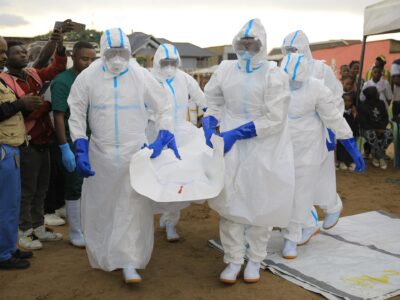
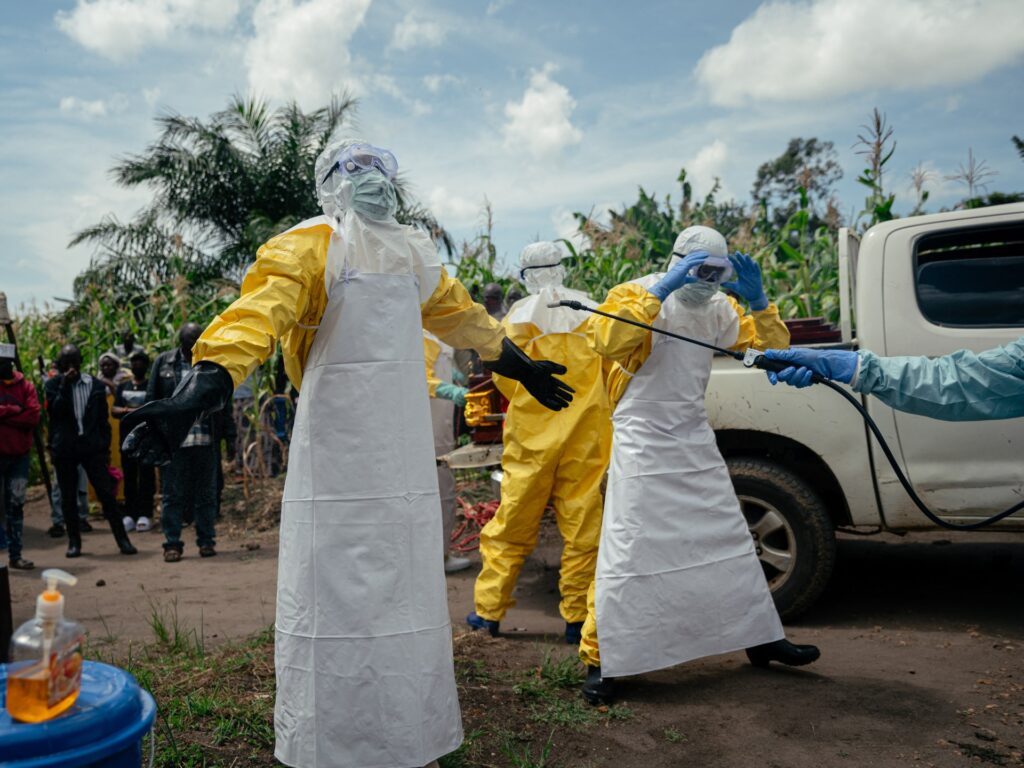
Health authorities emphasize the importance of early detection and rapid response in affected communities to reduce human cases and fatalities. Effective measures include promoting hygiene, safe burial practices, use of personal protective equipment (PPE), and vaccination in outbreak zones. The availability and deployment of Ebola vaccines provide hope, yet challenges remain in logistics and vaccine acceptance.
This outbreak serves as a sobering reminder of the complex interactions between human populations and wildlife. Natural ecosystems play a pivotal role in disease emergence, and disruptions due to deforestation, urbanization, and climate change may facilitate pathogen spillover events.
Global collaboration and investments in research are vital to understand the evolving nature of Ebola virus and its transmission dynamics. This knowledge will enhance preparedness against current and future outbreaks.
In summary, the new animal transmission route in the Ebola outbreak underscores the need for heightened vigilance, enhanced surveillance, and adaptive strategies in public health to safeguard communities from this deadly virus. Continued efforts to identify animal reservoirs, innovate diagnostic tools, and expand vaccination coverage are crucial to preventing further loss of life.