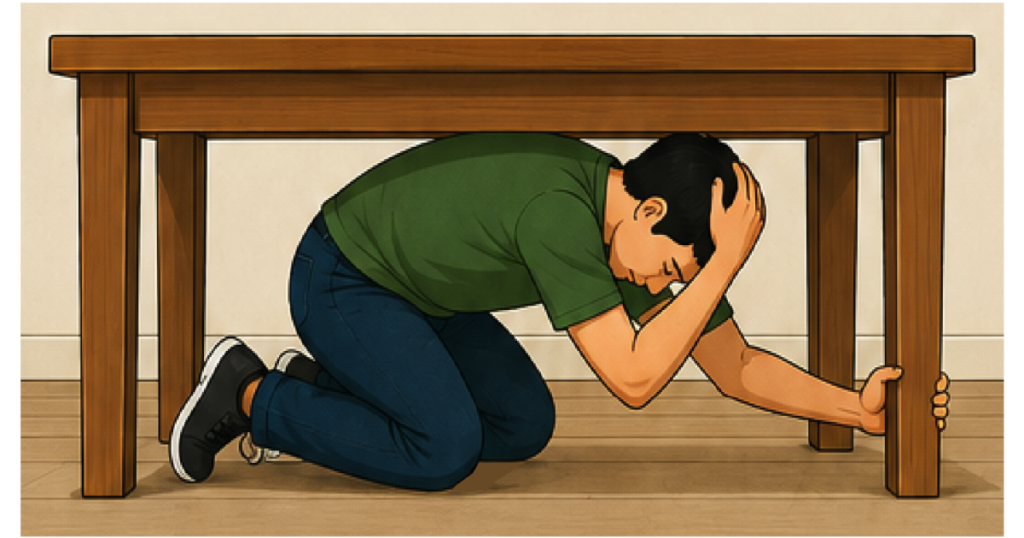
Earthquakes are unpredictable natural disasters that can strike without warning, often causing significant damage and injury. However, with proper preparation and knowledge, individuals can greatly enhance their safety during such an event. This comprehensive visual guide provides essential tips to stay safe before, during, and after an earthquake.
Before an Earthquake:
1. Prepare an Emergency Kit: Include essentials such as water, non-perishable food, flashlight, batteries, first-aid supplies, and important documents.
2. Secure Your Home: Fasten heavy furniture, appliances, and décor to walls to prevent tipping. Use safety latches on cabinets to stop items from falling out.
3. Identify Safe Spots: Locate sturdy furniture to take cover under, such as a heavy desk or table. Avoid glass, windows, and exterior walls.
4. Make a Family Emergency Plan: Establish meeting points and communication methods if separated during an earthquake.
During an Earthquake:
1. Drop, Cover, and Hold On: Immediately drop to your hands and knees, take cover under a sturdy piece of furniture or against an interior wall, and hold on until shaking stops.
2. Stay Indoors if Possible: Avoid running outside where debris may fall or where you could be exposed to hazards.
3. Stay Away from Windows and Heavy Objects: Flying glass and falling items cause many injuries during quakes.
4. If Outdoors, Move to an Open Area: Stay away from buildings, streetlights, and utility wires that could collapse.
5. If Driving, Pull Over Safely: Stop the vehicle; avoid bridges, overpasses, and power lines.
After an Earthquake:
1. Check Yourself and Others for Injuries: Provide first aid if necessary and seek medical help.
2. Expect Aftershocks: They can occur minutes, days, or even weeks later; be prepared to Drop, Cover, and Hold On again.
3. Inspect Your Home for Damage: Check for gas leaks, electrical system damage, and structural issues. If you smell gas or hear a hissing sound, turn off the gas and evacuate.
4. Listen to Emergency Alerts: Use a battery-powered radio or mobile device to stay informed.
5. Communicate: Use text messages or social media to communicate as phone lines might be overloaded.
Visual aids such as illustrations or infographics can support this guide by showing the correct postures, safe zones, and emergency kit contents, making it easier for people to remember these vital safety measures. By following these steps, individuals can significantly reduce the risk of injury and ensure a safer outcome during an earthquake.