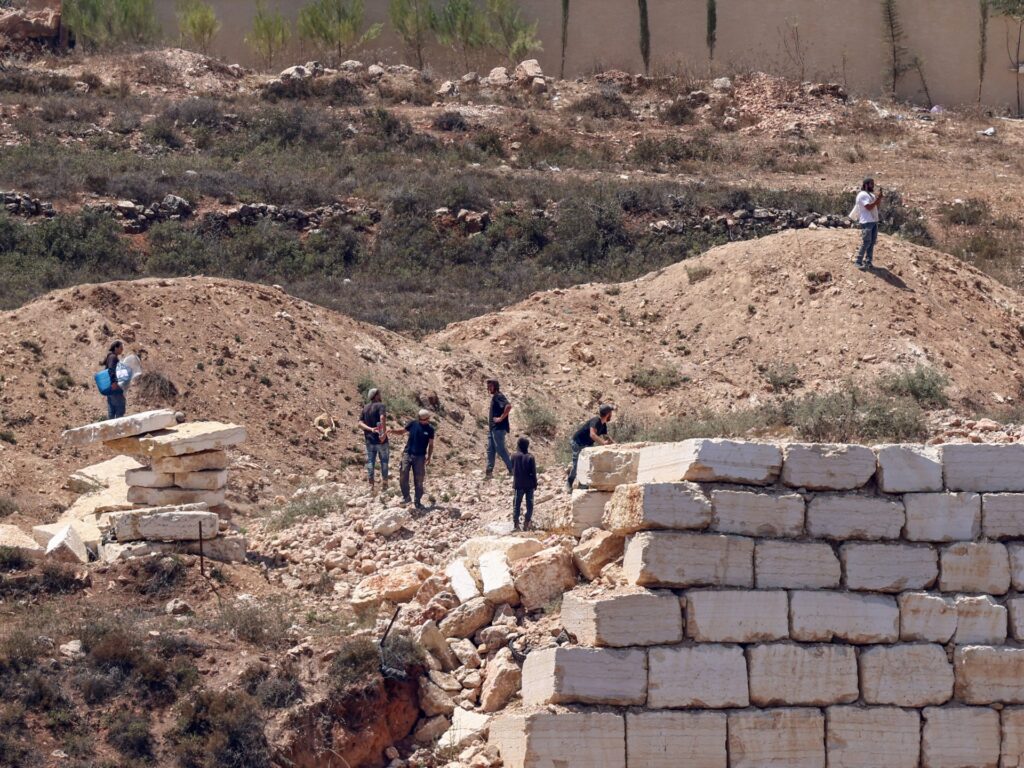
In a significant development concerning the ongoing tensions in the West Bank, a US diplomat has denounced the actions of Israeli settlers who have imposed a siege on the homes of three Palestinian families in the village of Qusra. The diplomat described the blockade as an “act of terror,” highlighting the severe humanitarian impact on the affected families.
According to reports, Israeli settlers have encircled the homes, effectively cutting off the families from access to essential food supplies and other basic necessities. This act has intensified the hardship faced by the Palestinian residents, escalating fears and tensions within the community.
Qusra, a village located in the northern West Bank, has frequently been a flashpoint in the Israeli-Palestinian conflict. The current siege represents a troubling escalation, as it not only restricts the movement and access of the Palestinian inhabitants but also raises concerns over the legality and morality of such actions under international law.
The US diplomat’s condemnation underscores the broader international concern regarding the activities of settlers in disputed territories. Settler violence and blockades have often been criticized for exacerbating conflicts and diminishing prospects for peace in the region.
Local Palestinian leaders have condemned the siege, calling for immediate intervention from both the Israeli government and the international community to end the blockade and allow humanitarian aid to reach those in need. They assert that such actions deepen mistrust and undermine efforts toward a negotiated resolution to the conflict.
Israeli authorities have yet to issue an official statement regarding the incident, and the settlers involved remain unidentified publicly. However, human rights organizations have called on the Israeli government to take decisive action to prevent further harassment and violence against Palestinian civilians.
This incident adds to a growing list of confrontations in the West Bank, where settler activities frequently lead to clashes with Palestinian residents. Human rights advocates argue that these actions contribute to creating an environment of fear and instability that threatens the possibility of peaceful coexistence.
International responses have generally emphasized the importance of protecting civilian populations and upholding international humanitarian law in conflict zones. The United Nations and various global bodies have repeatedly urged both parties to avoid actions that could inflame tensions or result in civilian suffering.
The situation in Qusra serves as a stark reminder of the ongoing challenges in the Israeli-Palestinian conflict. It highlights the need for renewed diplomatic efforts to address not only the immediate issues but also the underlying causes of hostility and division.
Experts suggest that sustainable peace requires a commitment to dialogue, adherence to human rights standards, and constructive engagement from all stakeholders. Until such measures are implemented, incidents like the siege in Qusra are likely to continue, with profound consequences for the affected communities and the broader region.
The US diplomat’s strong language may signify a shift toward more vocal condemnation of settler violence by international actors, potentially influencing future diplomatic strategies and efforts toward conflict resolution.
As the situation develops, attention remains focused on the welfare of the besieged families and the reactions of both Israeli and Palestinian authorities. The international community watches closely, hoping for a swift resolution that prioritizes human dignity and peace.