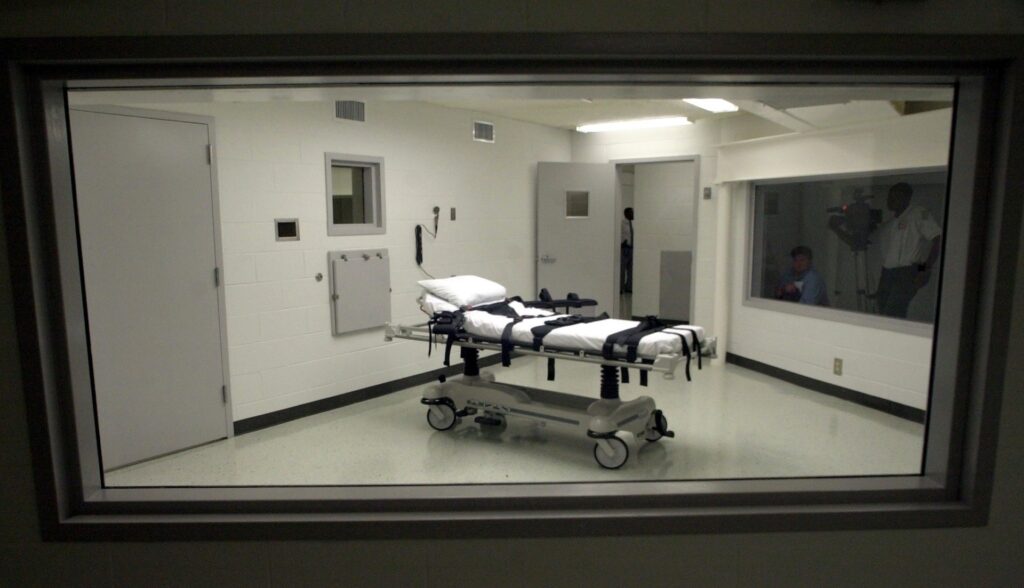
For the first time in 16 years, three US states have scheduled executions to take place on the same day. This event marks a significant moment in the application of capital punishment across the country. The last time three states conducted executions simultaneously was in 2010, involving Louisiana, Ohio, and Texas. This rare coordination underscores ongoing debates about the death penalty, its administration, and its implications.
The states planning executions on this upcoming date are Texas, Ohio, and Louisiana. These states have historically been among the most active in carrying out capital punishment. The simultaneous executions serve to highlight varying regional approaches to justice and the complexities involved in upholding death sentences.
In 2010, the three executions that took place on the same day drew national attention to the pace and frequency of death penalty cases. Since then, the number of executions in the United States has fluctuated due to legal challenges, changing political climates, and shifting public opinion. Despite these changes, states like Texas continue to have the highest number of executions annually.
The coordination of these executions sparks renewed discussions on the ethical, legal, and logistical aspects of capital punishment. Advocates for the death penalty argue it serves as a deterrent and delivers justice for victims and their families. Opponents, however, raise concerns about wrongful convictions, the morality of state-sanctioned death, and the potential for disproportionate application among minority and disadvantaged groups.
Legal experts note that carrying out multiple executions on the same day requires meticulous planning and adherence to strict protocols to ensure that each procedure meets legal and ethical standards. This also puts a spotlight on the resources and capacities of prison systems in managing high-profile cases simultaneously.
The upcoming executions will likely provoke reactions from human rights organizations, legal advocates, and the public. These groups often use such moments to call for moratoriums or abolition of the death penalty, citing nationwide trends toward reducing its use.
While the United States remains one of the few developed nations that actively use the death penalty, the recent trend has been toward fewer executions and more states reconsidering their stance on capital punishment. The coordinated executions in Texas, Ohio, and Louisiana remind the nation of the continuing presence and controversies of the death penalty.
This occurrence serves as a critical point for reflection on how justice is administered across different states and raises important questions about the future of capital punishment in America. With evolving legal frameworks and shifting societal values, the landscape of the death penalty continues to be a contentious and dynamic issue.