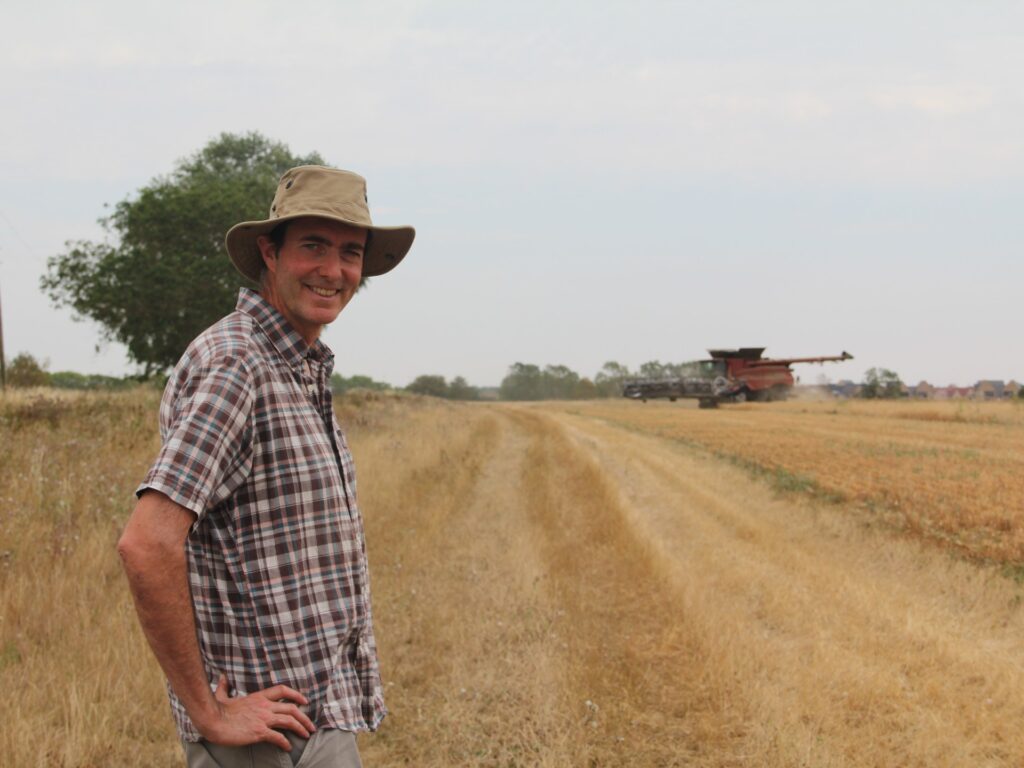
As the UK experiences soaring temperatures, farmers across the country are confronting an “exceptionally serious” drought that is severely threatening their livelihoods. Despite their efforts to adapt through careful planning and innovative farming techniques, many agricultural experts agree that the sector is undergoing its toughest challenge in recent memory.
This unprecedented drought has led to critically low water levels in reservoirs, rivers, and soil, drastically affecting crop viability and livestock health. Farmers are struggling to secure sufficient irrigation, which is essential for sustaining crops like wheat, barley, and vegetables that form the backbone of the UK’s food supply.
The prolonged dry spell has also intensified the risk of soil degradation and reduced pasture quality, directly impacting animal grazing and productivity. Many farms rely on pasture-fed livestock, and the scarcity of water and grass threatens milk yields and meat production.
Experts warn that the situation is worsening due to climate change, with rising global temperatures making such drought events more frequent and severe. The agricultural sector is urging governments to increase support for drought mitigation strategies, such as improved water management infrastructure and disaster relief programs.
Farmers report that even with advanced planning, including water conservation measures and crop diversification, the scale of the drought presents challenges that may exceed their capacity to manage.
In addition to financial losses, the emotional toll on farming communities is profound, with many facing uncertainty about their future. The British Farming Association has called for urgent action to protect the UK’s food security and rural economies.
The government has indicated plans to invest in resilient farming practices and water-saving technologies, but questions remain about the immediacy and adequacy of these measures.
This landmark drought is a stark indicator of the broader environmental challenges the UK will face in coming decades, highlighting the urgent need for integrated approaches to climate adaptation in agriculture.
As the dry conditions persist, the resilience of the UK’s farmers will be tested like never before, with implications for food prices, rural livelihoods, and national stability. Their ability to innovate and receive supportive policies will be crucial for navigating this critical period in British agriculture.