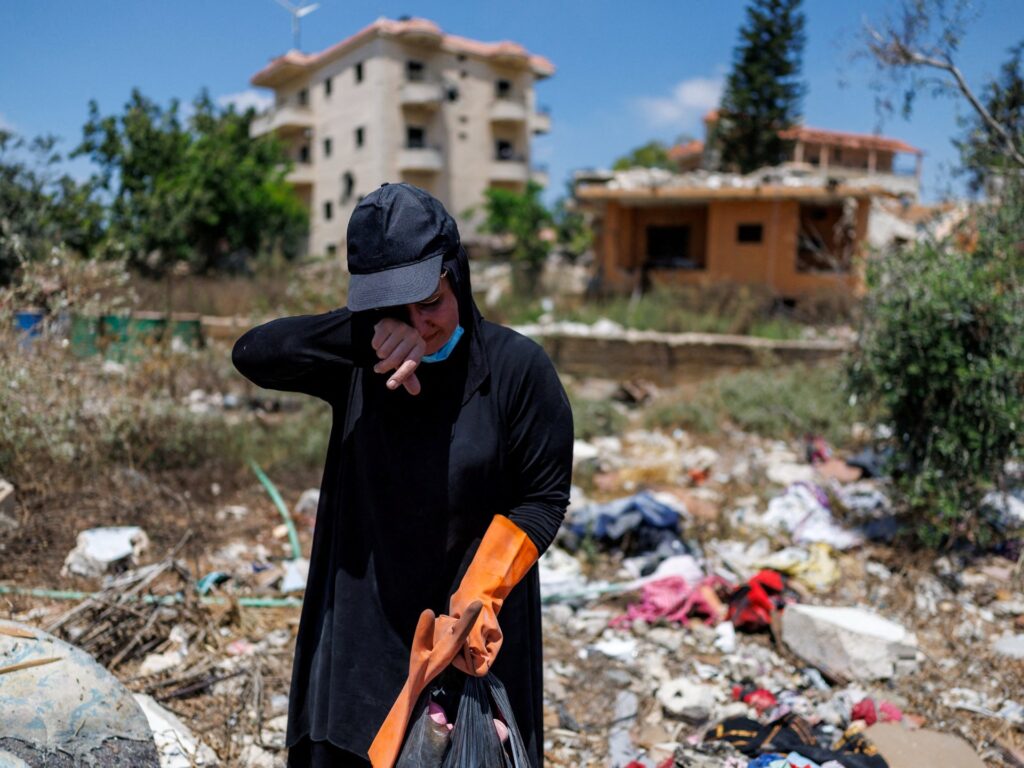
In a recent escalation of tensions in the Middle East, Lebanese Prime Minister Nawaf Salam has condemned Israeli military strikes in southern Lebanon, labeling them a ‘violation of international law.’ These strikes involved the destruction of several villages, a move Israel justifies by claiming the targets were military sites. However, Prime Minister Salam has firmly rejected this justification, stating that the affected villages were civilian areas and not involved in military activities.
The conflict between Israel and Lebanon has been marked by a long history of intermittent violence, often punctuated by military actions that impact civilian populations. The recent strikes, reportedly launched by the Israeli military, have alarmed international observers and human rights organizations, which call for restraint and adherence to international legal standards in warfare.
Prime Minister Salam emphasized that the destruction of villages violates principles of sovereignty and civilian protection under international law. He urged the international community to take action to prevent further aggression and ensure accountability for violations.
The Israeli government maintains that their operations target militant infrastructure to neutralize threats posed by groups operating near their border. Nevertheless, the Lebanese leadership’s rejection of these claims highlights the deep-seated mistrust and the fragile nature of peace in the region.
This development adds to the broader instability in the Middle East and raises concerns about potential escalation and humanitarian impacts. Both sides face mounting pressure from their populations and international actors to avoid further violence and to seek diplomatic solutions.
Security analysts suggest that the situation requires careful negotiation and international mediation to prevent an outbreak of wider conflict. The ongoing dispute underscores the need for sustained dialogue and respect for international norms regarding the conduct of hostilities.
As the situation unfolds, the global community watches closely, hoping for a resolution that ensures peace, security, and respect for the rights and safety of civilians on all sides.