The tension between the United States and Iran has escalated once again with both sides issuing opposing claims over control of the strategic Strait of Hormuz. This critical waterway is a vital chokepoint through which a significant portion of the world’s oil supply passes, making it a hotspot for geopolitical conflict.
President Donald Trump has emphatically stated that the United States has “total control” over the Strait of Hormuz. His administration insists that the US Navy’s presence in the region ensures freedom of navigation and security for international shipping.
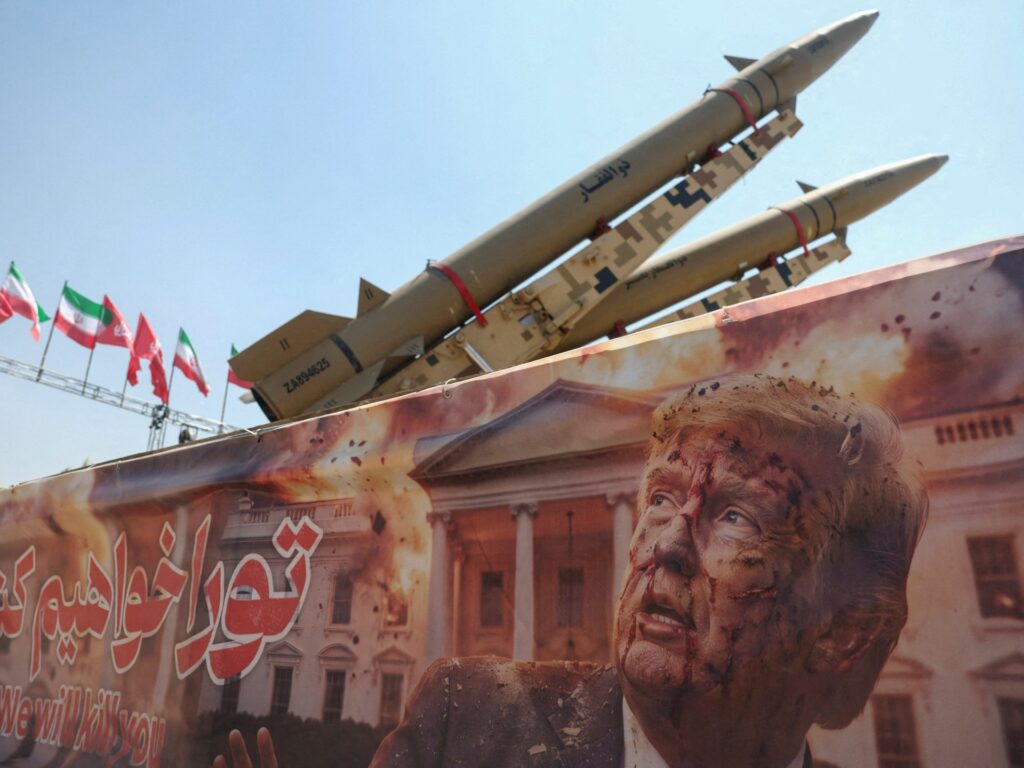
On the other hand, Tehran has been equally resolute in its stance, demanding the United States meet its conditions and asserting that control of the strait lies within Iranian reach. Iranian officials have warned against any attempts by the US to exert dominance over the waterway and have hinted at potential military responses if their demands are not respected.
The situation has heightened fears of an armed conflict in the Gulf region. Both sides have engaged in rhetoric that has intensified the existing strains between Washington and Tehran, with analysts concerned that a miscalculation or incident in the Strait of Hormuz could spark a wider war.
The United States has maintained a naval presence in the Persian Gulf and the Strait of Hormuz for decades, citing the defense of global commerce and the prevention of hostile actions as key reasons. The US asserts that its actions are in line with international law and aimed at ensuring stability.
Iran, conversely, views the US naval presence as an infringement on its sovereignty and has conducted numerous military drills to demonstrate its capability to control and, if necessary, close the strait. These drills serve as a show of strength and a warning to US forces and allied nations operating in the region.
The geopolitical significance of the Strait of Hormuz stems from its narrow passage connecting the Persian Gulf to the Gulf of Oman and the Arabian Sea. Approximately 20% of the world’s petroleum passes through this route, underscoring its strategic economic importance.
International actors have called for restraint and dialogue between the US and Iran to defuse the situation. The United Nations and several European countries have urged both parties to avoid provocative actions and return to diplomatic negotiations.
Amid these developments, the global energy markets have shown signs of volatility due to fears of supply disruptions originating from the Gulf region. Any blockage or conflict in the Strait of Hormuz could severely impact global oil prices and economic stability.
The ongoing power struggle over the strait is emblematic of broader tensions between the US and Iran, encompassing issues such as nuclear programs, sanctions, and regional influence. The dispute over Hormuz control remains a critical flashpoint.
Analysts warn that a peaceful resolution requires mutual concessions and sustained diplomatic engagement. However, with both sides entrenched in their positions, the outlook remains uncertain.
In summary, the US and Tehran continue to exchange starkly opposing claims regarding sovereignty and control over the Strait of Hormuz. President Trump’s declaration of US dominance contrasts sharply with Iran’s firm demands and warnings, setting the stage for a tense and potentially volatile standoff in this vital maritime corridor.