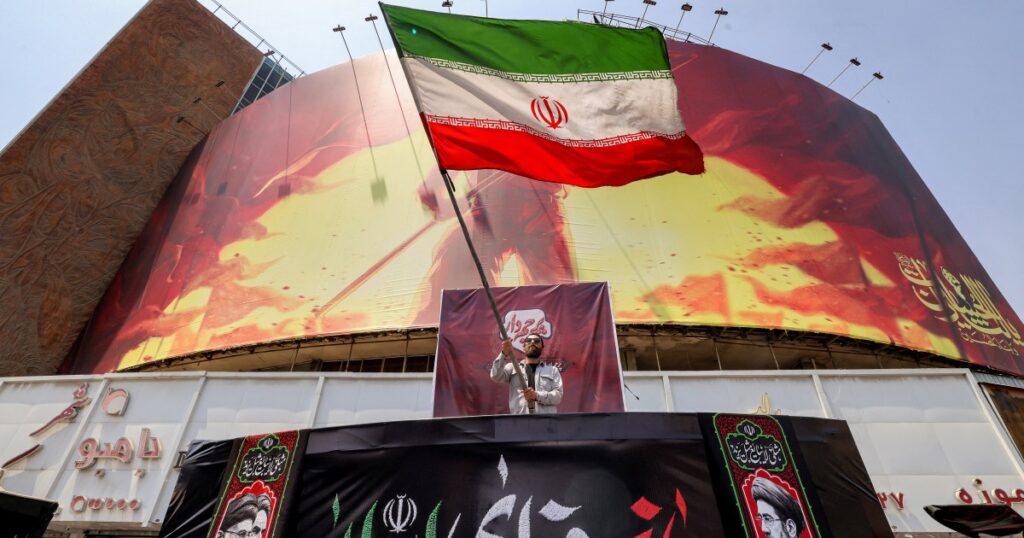
Iran has taken a firm stance in its ongoing tension with the United States, vowing to continue its resistance until its demands are fully met. High-ranking advisers from the Islamic Revolutionary Guard Corps (IRGC) have publicly stated that Iran has not only maintained but increased its stockpile of military resources, specifically mentioning that it has replaced more missiles and drones than it has used in confrontations so far.
This declaration comes amid reports suggesting a depletion in U.S. munition stocks, which Iranian advisers cite as a strategic advantage. The IRGC emphasizes that Iran’s military readiness remains robust, countering perceptions of vulnerability due to sanctions and international pressures.
Analysts note that the IRGC’s assertions highlight a broader narrative of resilience and preparation that Tehran seeks to project both domestically and internationally. By underscoring its replenishment of critical armaments, Iran aims to deter further military aggression from the U.S. and assert its capability to sustain prolonged conflicts if necessary.
The tensions between Iran and the United States have been escalating due to a variety of geopolitical issues, including Iran’s nuclear program, regional influence, and missile development activities. Iran’s vows to fight until its demands are met reflect its determination to influence negotiations and international diplomacy through a show of strength.
Furthermore, the replenishment of missiles and drones points to Iran’s investment in asymmetrical warfare strategies, leveraging its missile technology and unmanned aerial vehicles to counterbalance U.S. military superiority in conventional warfare.
Iranian officials have routinely condemned U.S. policies and sanctions, portraying these measures as unjust and destabilizing to regional security. The IRGC’s statements serve both as a message to U.S. policymakers and as reassurance to domestic audiences about Iran’s sovereignty and defense capabilities.
This ongoing standoff has significant implications for regional stability in the Middle East, as well as for global energy markets, given Iran’s role as a major oil exporter.
In conclusion, Iran’s defiance and commitment to fight until its demands are fulfilled underscore a strategic posture focused on resilience, deterrence, and negotiation leverage. The IRGC’s report of replenished military assets challenges assumptions about U.S. dominance and signals a protracted period of tension ahead.