The Strait of Hormuz, a vital maritime chokepoint for global oil shipments, has seen a dramatic decrease in transit activity, with only eight vessels passing through the strait on Tuesday. This marks a significant drop from the usual 130 to 140 vessels that crossed daily prior to the outbreak of regional conflict and the subsequent stalling of peace negotiations.
The Strait of Hormuz, situated between the Persian Gulf and the Gulf of Oman, is one of the most strategically important waterways in the world. It facilitates the transit of roughly a fifth of the world’s petroleum, making its security and openness critical to global energy markets and economic stability.
The drastic reduction in vessel numbers signals heightened tensions and growing uncertainty in the region. These developments come as peace talks remain stalled, with no immediate diplomatic breakthroughs on the horizon. The conflict, which has escalated since the previous year, continues to disrupt normal maritime operations and raises concerns about potential supply chain bottlenecks and energy price volatility worldwide.
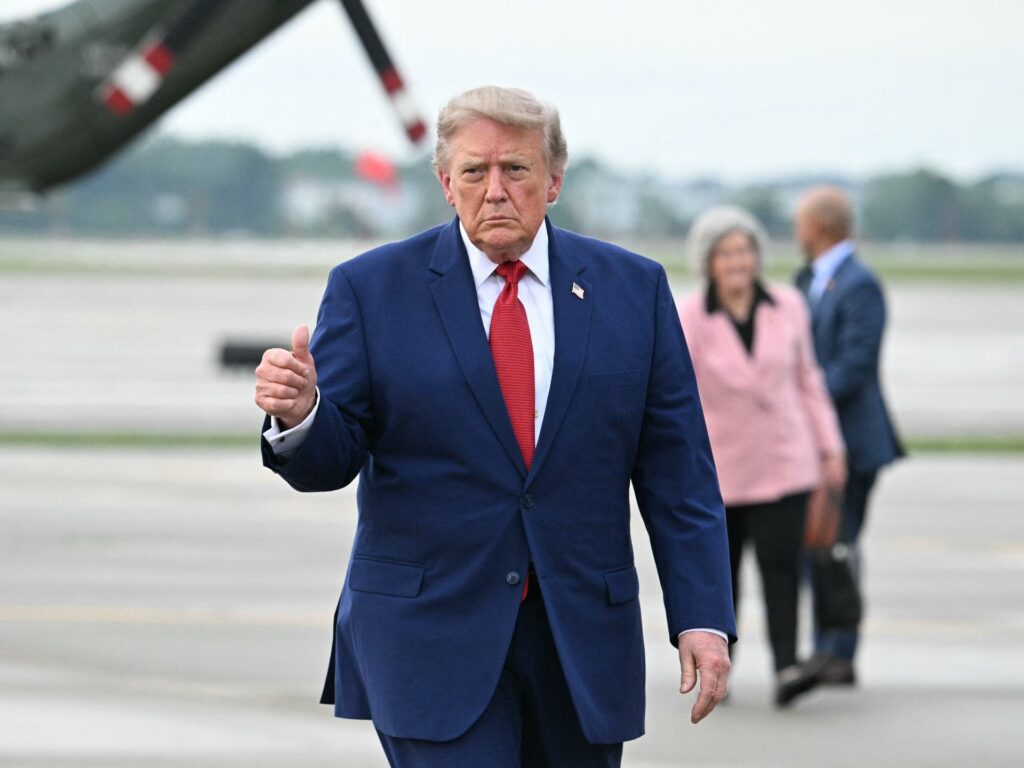
Amid these maritime security challenges, former US President Donald Trump has reiterated his assertion that the United States maintains control over the Strait of Hormuz. Trump emphasized the US military’s strategic presence in the region and its capability to secure the passageway against any threats.
Trump’s statement reflects ongoing US policy to ensure freedom of navigation in international waters, particularly in areas critical for global commerce. The US Navy’s Fifth Fleet, headquartered in Bahrain, plays a pivotal role in monitoring and securing the waterways.
Despite Trump’s confidence, the sharp decline in vessel numbers indicates the prevailing risks and the apprehension among commercial shipping operators. Insurance premiums for carriers traversing the strait have reportedly surged, further discouraging transit and complicating logistics.
The economic implications of reduced traffic through the Strait of Hormuz extend beyond maritime operators. Global oil markets are sensitive to disruptions in this channel; thus, decreased passage may contribute to higher oil prices and increased market volatility.
Energy-importing countries and international stakeholders are closely monitoring the situation. The stability of the Strait of Hormuz remains a top priority in global diplomatic efforts aimed at de-escalation and the resumption of peaceful dialogue.
Experts suggest that without renewed negotiations and conflict resolution, the shipping decline will persist, potentially forcing tanker operators to seek longer, costlier alternative routes around the Cape of Good Hope, which adds significant time and expense to freight.
In summary, the dramatic plunge in vessel traffic through the Strait of Hormuz is a stark indicator of ongoing regional instability. While the US asserts control and readiness to secure this critical juncture, the stalled peace process prolongs uncertainty. The international community faces pressing challenges to safeguard maritime navigation and ensure the uninterrupted flow of energy resources crucial to the global economy.