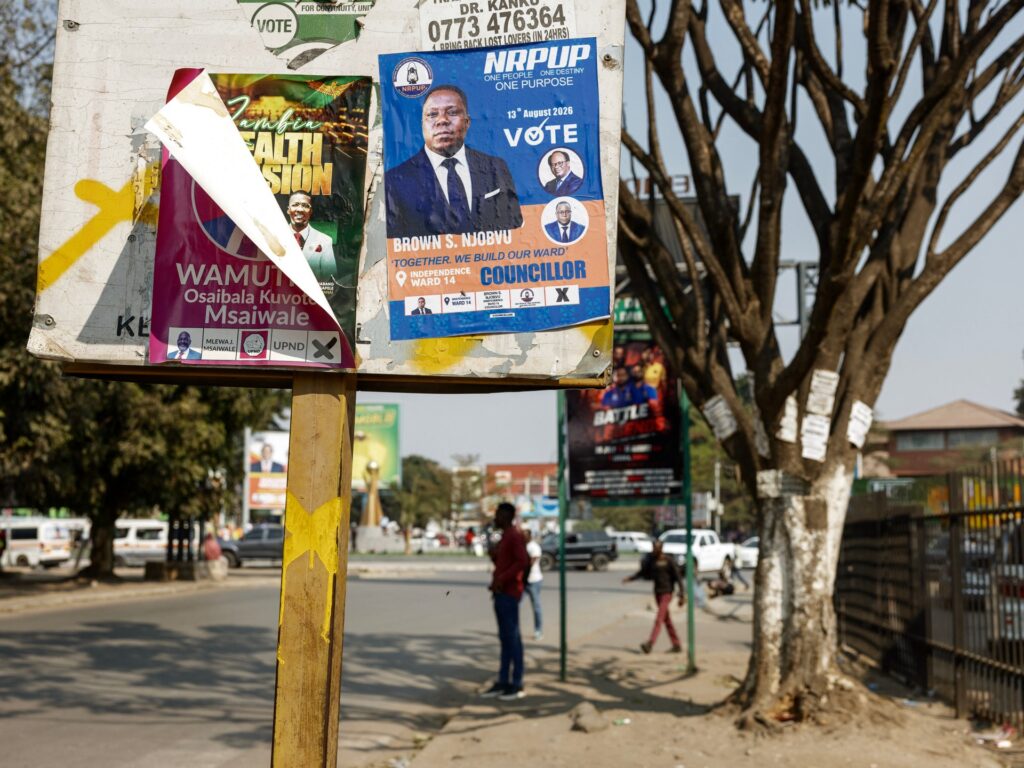
Zambia is preparing for a crucial vote as the nation faces significant economic challenges that are testing the effectiveness of government reforms. This electoral process comes at a time when debt restructuring, inflation, and fluctuating copper revenues have emerged as central issues influencing the political and economic landscape.
The country’s economic difficulties stem from multiple fronts. Zambia has been grappling with a considerable debt burden, leading to calls for restructuring agreements to manage repayment schedules more sustainably. The government’s handling of this issue is being closely scrutinized by voters, who are eager to see effective measures to alleviate the financial strain.
Inflation has also become a pressing concern for Zambians, with rising prices impacting the cost of living and household budgets. The government’s policies aimed at stabilizing prices and ensuring economic growth are under the microscope, as citizens seek relief and economic stability.
Copper, which is Zambia’s principal export and a major contributor to its economy, plays a pivotal role in the election discourse. Fluctuations in global copper prices have directly affected national revenue, complicating fiscal planning and public spending. Political parties are outlining their strategies on maximizing copper revenues and diversifying the economy to reduce dependency on this volatile sector.
The upcoming vote is therefore being seen as a referendum on the government’s ability to manage these intertwined economic challenges. Candidates and parties are campaigning with promises to reinvigorate economic reforms, address debt sustainability, and tackle inflation effectively.
Observers note that the electorate’s decision will likely have long-term implications for Zambia’s economic trajectory. A clear mandate could empower the government to implement deeper reforms, whereas a shift in leadership might bring new economic policies and priorities.
As the nation heads to the polls, the focus remains firmly on how Zambia’s political landscape will navigate the tough economic environment. This vote is a pivotal moment for the country’s path towards economic recovery and sustainable growth. The outcome will be crucial not only for Zambia’s immediate future but also for the broader stability and prosperity of the Southern African region.