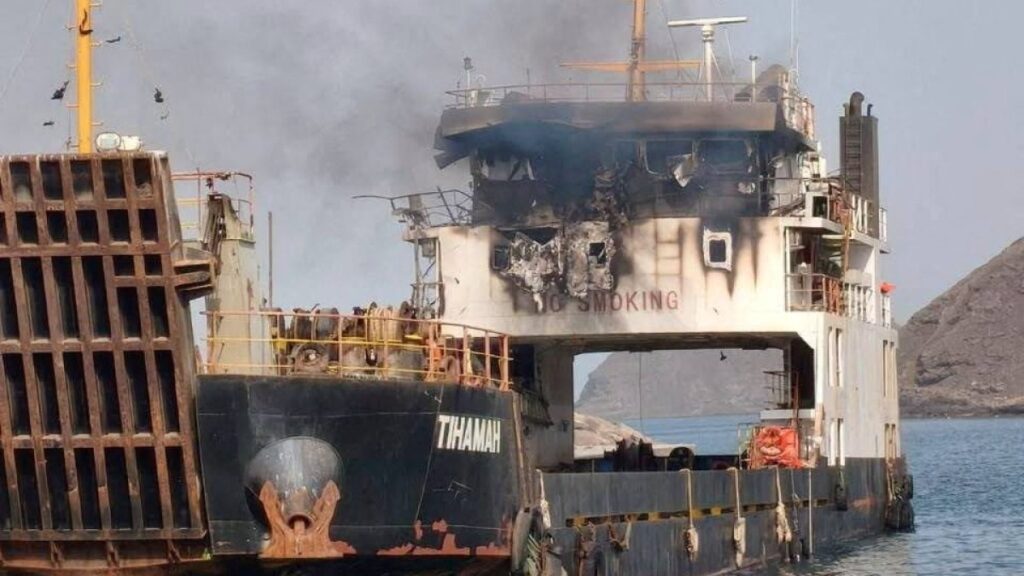
In recent developments concerning the strategically critical Strait of Hormuz, former US President Donald Trump asserted that the United States is in ‘total control’ of this vital maritime passage. His statement has intensified discussions around the ongoing tensions and geopolitical stakes in the region.
The Strait of Hormuz, located between the Persian Gulf and the Gulf of Oman, is an essential conduit for global oil shipments, with a significant percentage of the world’s petroleum passing through it. Control and security over this strait have long been focal points for international powers, particularly given the history of confrontations and security incidents there.
Amidst Trump’s declaration, Qatar has provided a contrasting diplomatic update, highlighting positive progress in negotiations involving Oman and Iran. According to Qatari sources, discussions between Oman and Iran about the future of shipping through the Strait of Hormuz are making substantial headway. These talks aim to ensure the safe and uninterrupted passage of vessels, critical for global energy markets and regional stability.
Oman historically plays a unique mediating role in the region, maintaining amicable relations with both Iran and Western countries. The ongoing negotiations suggest a possible avenue toward de-escalating tensions and enhancing cooperation in the Strait of Hormuz, which has seen multiple high-profile confrontations in recent years.
This juxtaposition of strong US military claims and regional diplomatic efforts underscores the complexity of the situation. While the US emphasizes its strategic control to deter perceived threats, Gulf neighbors pursue dialogue to foster a safer maritime environment.
Experts note that the Strait’s security directly impacts global oil prices and international trade, making every development closely monitored by oil markets and policymakers worldwide. Any escalation or blockade can lead to significant disruptions, given the strait’s narrow passage and its economic importance.
The Trump administration’s posture is consistent with its broader policy of projecting military strength in the Gulf, aiming to counterbalance Iranian influence. However, regional diplomacy, spearheaded by Gulf Cooperation Council states like Oman and facilitated by Qatar, offers pathways to peaceful coexistence and conflict avoidance.
In conclusion, the dynamic interplay between military assertions by global powers and diplomatic dialogues between regional actors continues to shape the future of the Strait of Hormuz. The coming weeks are likely to prove critical as negotiations advance and geopolitical strategies unfold, bearing significant implications for international security and energy markets.