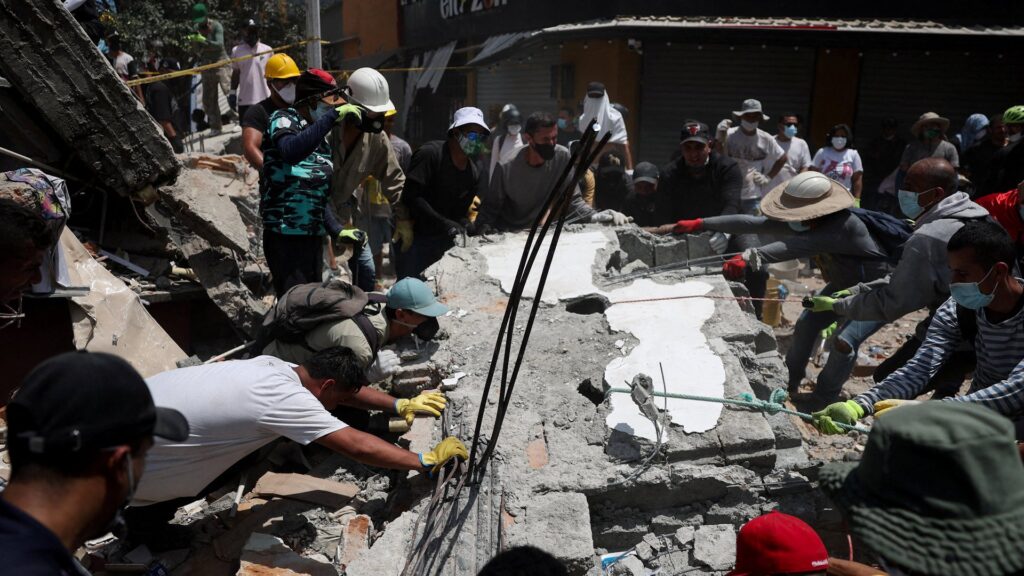
In the wake of the strongest earthquake to strike Colombia this century, rescue operations are underway in the western regions of the country. The seismic event, which reportedly caused significant damage and upheaval, has prompted an urgent response from emergency services, who are tirelessly searching for survivors amidst the rubble.
The earthquake struck with a powerful force, shaking homes, infrastructure, and communities across the affected areas. Preliminary reports indicate that many buildings have suffered damage, and there are concerns about casualties and missing persons. Rescue teams, equipped with specialized tools and aided by volunteers, have been dispatched to the hardest-hit zones to conduct thorough search and rescue missions.
Authorities have emphasized the critical nature of timely assistance, as the chances of finding survivors trapped under debris diminish with each passing hour. Medical personnel are also on site, ready to provide immediate care to those injured in the quake. The government has mobilized resources to support the affected populations, including establishing emergency shelters and providing basic necessities.
Residents in the affected areas have reported moments of panic during the tremors, with many seeking safety outdoors or in open spaces after the quake subsided. The magnitude of the earthquake has reignited conversations about disaster preparedness and the need for robust infrastructure capable of withstanding seismic events.
International aid organizations have expressed solidarity with Colombia and are poised to offer assistance if requested. Meanwhile, meteorological and geological experts continue to monitor the region for potential aftershocks, which could further threaten lives and complicate rescue efforts.
As search and rescue operations continue, the Colombian community and the global audience remain hopeful for positive outcomes. The resilience and solidarity displayed by rescuers and civilians alike exemplify the spirit of cooperation in times of natural disaster.
This ongoing crisis underscores the importance of preparedness and responsive action in mitigating the human toll of natural calamities. Updates will follow as more information becomes available.