The Democratic Republic of Congo (DR Congo) is currently grappling with a severe Ebola outbreak, as recent reports confirm that the death toll has surpassed 2,000. This alarming development highlights the rapid spread of the virus and the escalating health crisis within the region. The Ebola virus, known for its high fatality rate, has once again emerged as a formidable threat to public health in DR Congo, where past outbreaks have caused significant devastation.
Health officials and international aid organizations are mobilizing to contain the epidemic, but challenges such as difficult terrain, limited healthcare infrastructure, and community mistrust of medical interventions complicate efforts to curb the virus’s transmission. The current outbreak is spreading in several provinces, stressing medical facilities that are already under-resourced.
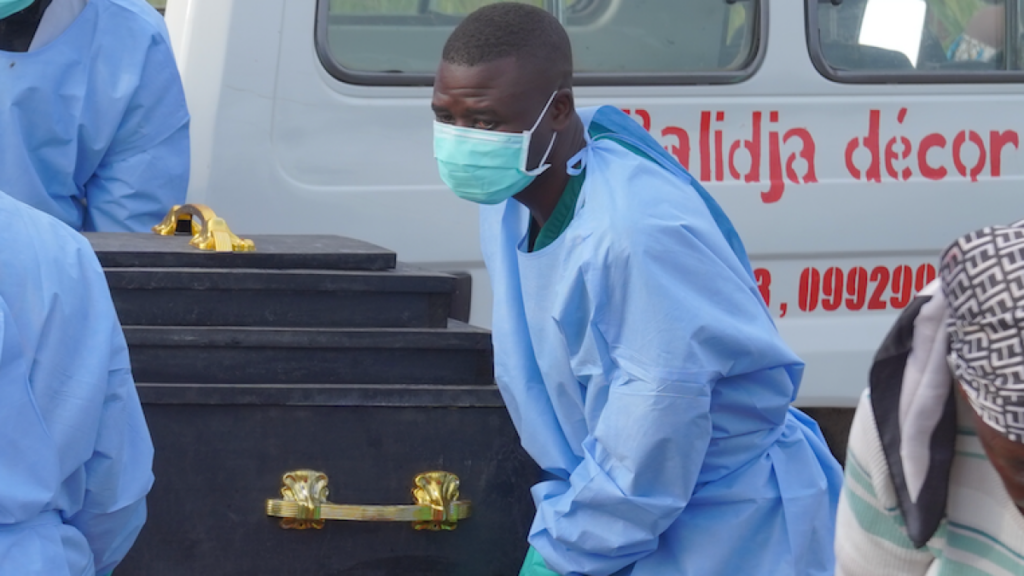
Efforts to control the outbreak include vaccination campaigns, improved disease surveillance, and community engagement to educate the public on preventive measures. Despite these steps, the rapid increase in cases and deaths signals the continued urgency for support from global health partners.
The World Health Organization (WHO) has been actively involved in coordinating emergency response activities, providing expertise, and deploying additional resources to affected areas. This partnership is crucial in addressing logistical challenges and enhancing the capability to detect, diagnose, and treat Ebola patients effectively.
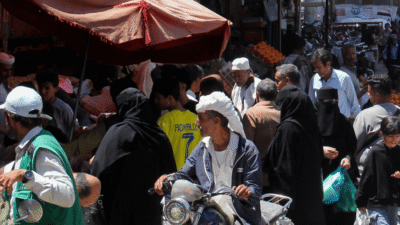
Communities affected by the outbreak face not only the direct health impacts but also significant social and economic consequences. Schools and markets have been disrupted, and some regions have imposed travel restrictions to prevent further spread, contributing to increased hardship for local populations.
The global health community continues to emphasize the importance of sustained funding and collaborative efforts to bring the outbreak under control. Early detection, timely treatment, and widespread vaccination remain key components in reducing transmission and fatalities.
As the outbreak evolves, ongoing monitoring and adapting strategies based on emerging epidemiological data are essential. With the death toll exceeding 2,000, the situation in DR Congo serves as a stark reminder of the continual threat posed by infectious diseases and the critical need for preparedness and responsive health systems worldwide.