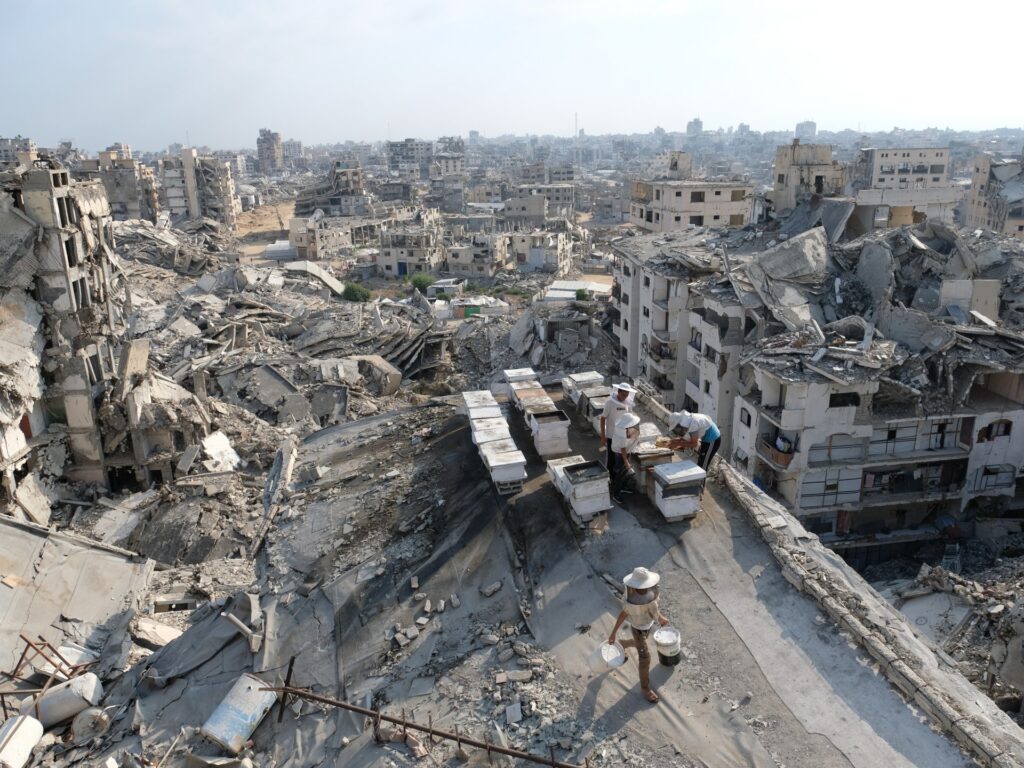
In a significant development in Middle Eastern politics, this week saw a notable decrease in attacks in the Gaza Strip even as Israeli Prime Minister Benjamin Netanyahu publicly distanced himself from the peace plan proposed by then U.S. President Donald Trump. Netanyahu’s rejection of Trump’s 15-point peace framework adds complexity to the ongoing conflict and peace efforts in the region.
The Gaza Strip, a flashpoint in the Israeli-Palestinian conflict, has experienced fluctuating levels of violence over the years. This week, however, the frequency and intensity of attacks dropped sharply, signaling a temporary de-escalation in hostilities. This calm comes amid heightened diplomatic activity and intense scrutiny of potential peace processes.
Prime Minister Netanyahu’s stance on the proposed peace plan is cautious. While the specifics of the plan have not been detailed publicly, Netanyahu has expressed reservations, particularly regarding elements he perceives as unfavorable to Israeli security and sovereignty. His rejection hints at internal political dynamics and the challenges of balancing security with diplomatic initiatives.
The 15-point peace proposal by Trump aimed to address various contentious issues such as borders, the status of Jerusalem, security arrangements, and the rights of Palestinian refugees. However, Netanyahu’s pivot away from this roadmap reflects a broader skepticism in Israeli leadership circles about outside-led peace initiatives that do not fully align with their strategic interests.
This week’s developments underscore the fragile nature of peace negotiations in the region. The slowdown in violence suggests a window of opportunity, yet the rejection of the peace plan indicates persistent obstacles. Analysts suggest that any lasting resolution will require direct dialogue between the parties involved, supported by regional and international stakeholders.
In summary, the latest week in the Israel-Palestine conflict highlights a cautious pause in fighting amid ongoing political maneuvering. Netanyahu’s hedging on the Gaza roadmap reveals the complexities of achieving peace, emphasizing the need for renewed efforts that consider the concerns of all sides involved.