Indonesia is currently grappling with a severe wildfire crisis that has led to the closure of dozens of schools across affected regions. The wildfires have caused a significant deterioration in air quality, raising serious health concerns among residents, especially children and the elderly.
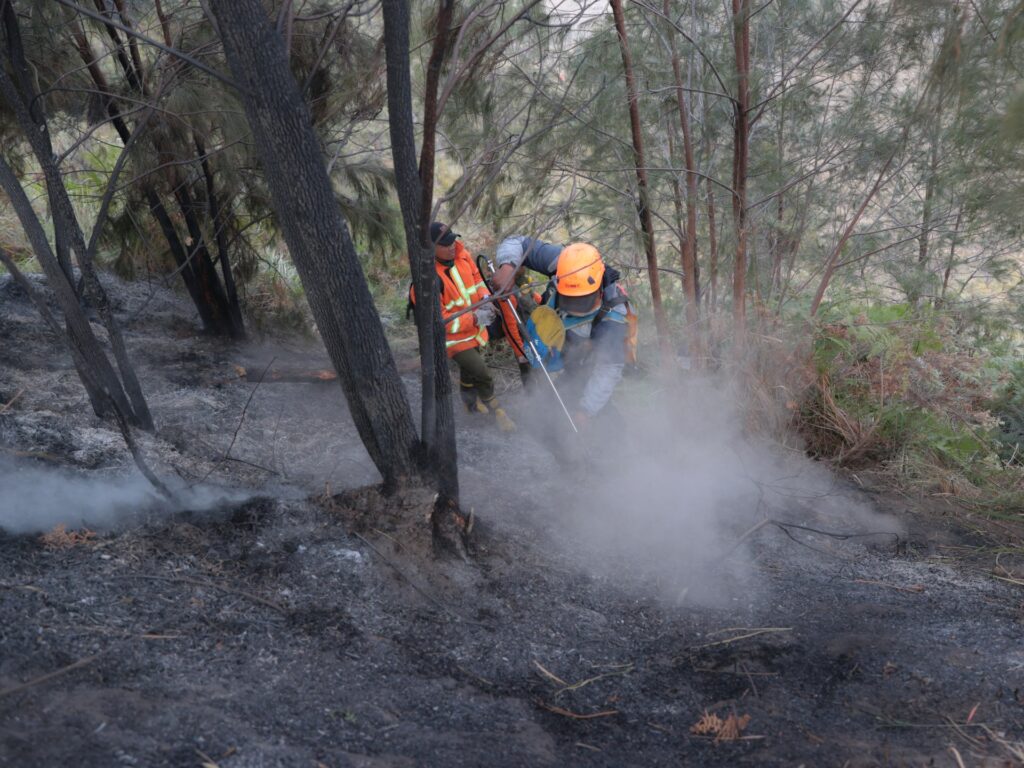
In response to the escalating emergency, Indonesian officials have been racing against time to contain the widespread fires that continue to scorch vast areas of forest and agricultural land. The intensity and scale of the fires have overwhelmed local firefighting resources, necessitating innovative and urgent interventions.
One of the key strategies employed by the authorities is the deployment of cloud-seeding aircraft. This approach involves releasing substances into the atmosphere to encourage rainfall, which can help suppress the wildfires and mitigate the smoky haze permeating the air.
The impact of the wildfires on public health has been profound. With air quality indices reaching hazardous levels, many schools have been closed indefinitely to protect students from inhaling toxic smoke and pollutants. Parents and community leaders have expressed concerns over the prolonged closure of educational institutions and the potential disruption to children’s learning and development.
Officials are coordinating closely with environmental experts, firefighters, and meteorologists to monitor the situation and optimize the use of cloud-seeding planes. They hope to induce rain showers soon to both douse the flames and improve air conditions.
Meanwhile, government agencies have also urged the public to stay indoors, use masks when outdoors, and avoid activities that could further exacerbate the fires, such as open burning. Emergency services remain on high alert to provide assistance and medical support to affected communities.
The recurrence of wildfires in Indonesia has been linked to multiple factors, including dry weather patterns, land clearing practices, and climate change. Efforts to address these underlying causes will be critical to preventing future disasters.
The situation remains dynamic, with teams working around the clock to extinguish the fires and resume normal life. The commitment of Indonesian authorities to protecting public health and safeguarding the environment is evident in their swift response and deployment of cloud-seeding technology.
As the skies await the hoped-for rain, schools, families, and communities remain vigilant and resilient in the face of this environmental challenge, underscoring the crucial need for sustained actions to combat wildfire risks and promote ecological sustainability in Indonesia.