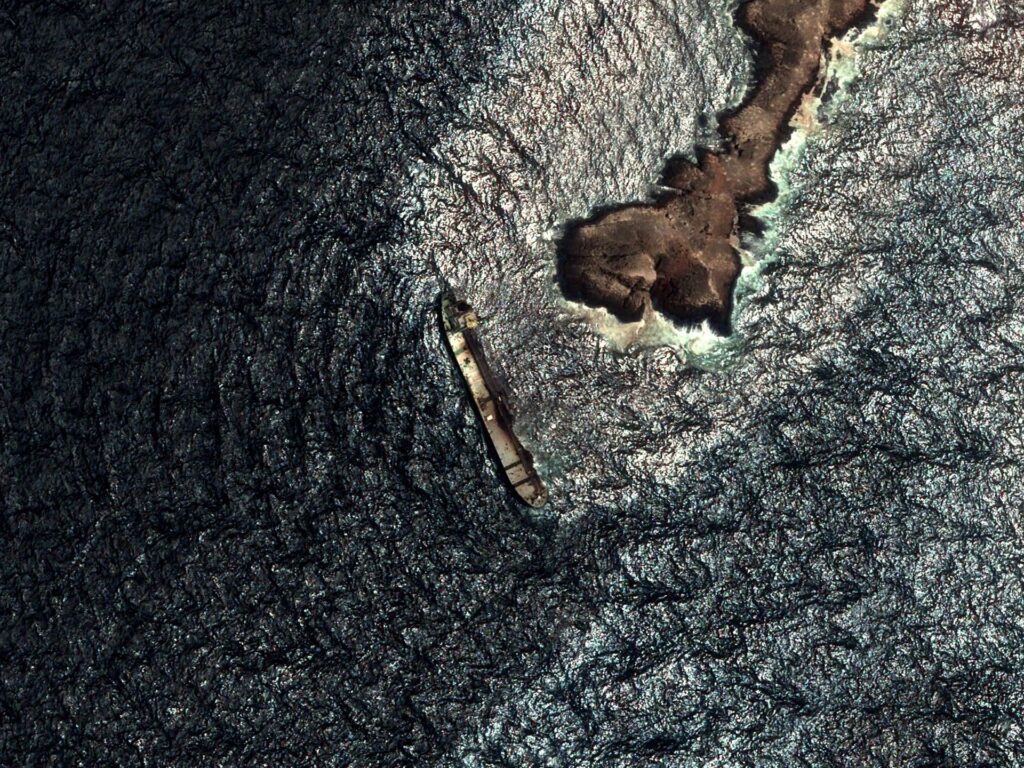
Oman is currently grappling with a significant environmental crisis as it attempts to contain an extensive oil spill originating from the tanker Caroline Bezengi. The incident has raised serious concerns due to the potential environmental damage and complications arising from the ship’s controversial status. The Caroline Bezengi is believed to be part of Russia’s so-called ‘shadow fleet.’ This fleet is reportedly used by Moscow as a means to circumvent Western sanctions, complicating international efforts to monitor and regulate these vessels.
The oil spill presents a substantial threat to Oman’s marine ecosystems, coastal areas, and local economies, particularly impacting the fishing and tourism industries. Omani authorities have deployed specialized teams and equipment to contain the spill and minimize environmental damage. Efforts include the use of oil booms, skimmers, and chemical dispersants to stop the spread of the oil across territorial waters.
The origin of the spill traces back to reported damage or distress experienced by the Caroline Bezengi, which has made containment challenging due to ongoing weather conditions and sea currents. The ship’s link to Russia’s shadow fleet adds a layer of geopolitical complexity, as these vessels are often engaged in opaque maritime operations designed to avoid detection and sanctions enforcement.
Environmental experts warn that if containment efforts fail, the spill could have long-term detrimental effects on marine biodiversity, including coral reefs, fish populations, and migratory bird species. The spill also poses a risk to the livelihoods of coastal communities dependent on the sea for their income and sustenance.
Oman, known for its proactive stance on environmental protection and maritime safety, has sought assistance from international bodies specializing in oil spill response and maritime environmental protection. Collaborative efforts may include expertise and resources from neighboring Gulf nations, international environmental agencies, and maritime security experts aimed at rapid response and remediation.
The Caroline Bezengi’s connection to Russia’s shadow fleet highlights broader issues regarding international regulations, maritime oversight, and enforcement of sanctions in contested waters. The incident underscores the challenges faced by coastal states like Oman in managing environmental hazards linked to politically sensitive shipping activities. It also calls attention to the need for stronger international cooperation to prevent such incidents.
While efforts continue to stabilize the situation, the event serves as a stark reminder of the environmental risks posed by large-scale oil transportation and the geopolitical tensions that can complicate effective crisis management. Oman remains vigilant, prioritizing both environmental safety and regional maritime security as it navigates this complex and urgent challenge.