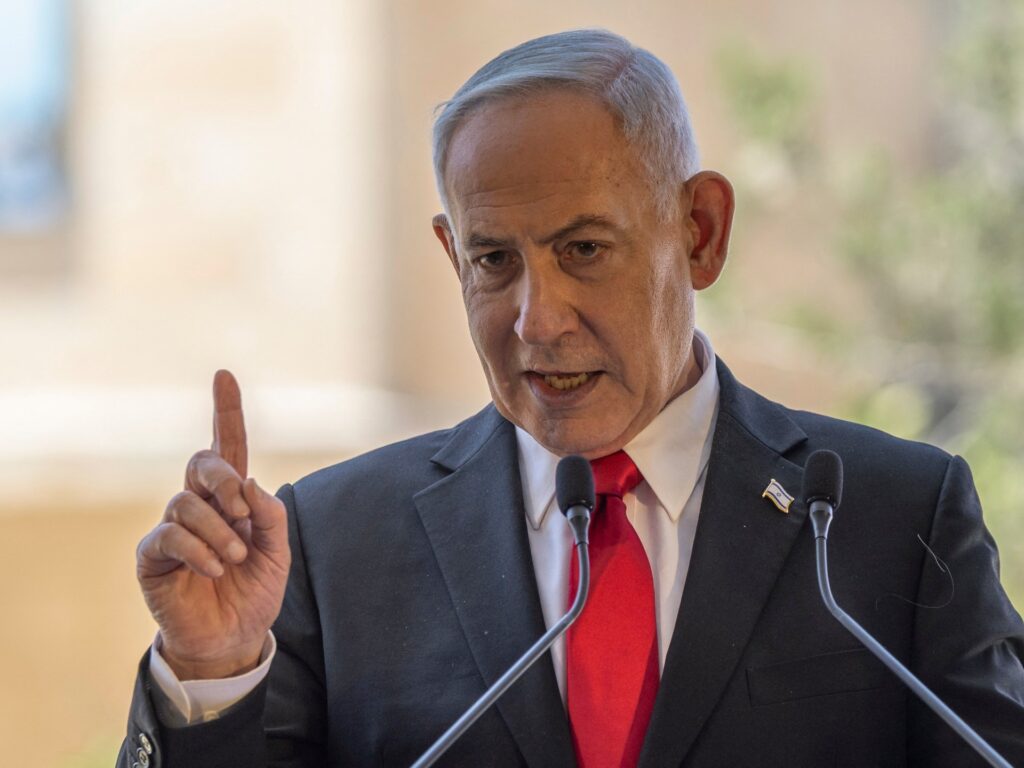
Israeli Prime Minister Benjamin Netanyahu’s recent rejection of a US-led peace roadmap aimed at addressing the Gaza conflict has ignited concerns among analysts and international observers alike. This decisive move is being labeled as a ‘coup’ against established diplomatic efforts, raising the prospect of an entrenched and prolonged conflict in the region.
The US-led plan, which was designed to de-escalate tensions and lay the groundwork for a sustainable ceasefire, was met with outright refusal from Netanyahu’s government. The Israeli leader argues that the proposals do not sufficiently address Israel’s security concerns or guarantee long-term peace. However, critics argue that his stance effectively sidelines diplomatic solutions and may further isolate Israel on the global stage.
Analysts warn that Netanyahu’s rejection could trigger a dangerous cycle of violence, drawing both sides into endless hostilities. The Gaza Strip has been a flashpoint of conflict for decades, with periodic escalations resulting in devastating casualties and humanitarian crises. Without a framework for negotiation and compromise, the region risks seeing the continuation, or even intensification, of such clashes.
One of the core issues at stake is the political dynamics within Israel and the Palestinian territories. Netanyahu’s hardline approach reflects a segment of Israeli society that favors strong military responses over diplomatic engagement, particularly in response to rocket attacks and militant activities from Gaza. Conversely, Palestinian factions view the refusal as a dismissal of their aspirations for statehood and recognition.
International reactions have been mixed but largely critical of Netanyahu’s stance. The United States, traditionally a strong ally of Israel, expressed disappointment but indicated readiness to continue efforts for peace. Other global powers have cautioned against policies that might entrench divisions and impede humanitarian aid efforts in Gaza.
The rejection also has broader regional implications. Neighboring countries, many of which are invested in stability and peace, face increased security risks as hostilities persist. There is a concern that prolonged conflict could inspire extremist elements and spill over borders, destabilizing the region further.
Moreover, the humanitarian situation in Gaza remains dire. Years of blockade, intermittent warfare, and economic sanctions have left the population vulnerable. Global humanitarian organizations fear that ongoing conflict will exacerbate shortages of essential supplies, medical care, and infrastructure.
Netanyahu’s current approach seems to calculate that a show of military strength and rejection of external pressures might consolidate his political position domestically. However, this strategy carries the risk of alienating key international partners and diminishing prospects for a negotiated peace.
In conclusion, the rejection of the US-led peace roadmap by Netanyahu represents a significant setback in attempts to resolve one of the most intractable conflicts of the modern era. Without renewed dialogue and willingness to compromise, the Gaza situation could descend into a cycle of violence with no clear end in sight, jeopardizing not only the lives of those directly involved but also regional and international stability.