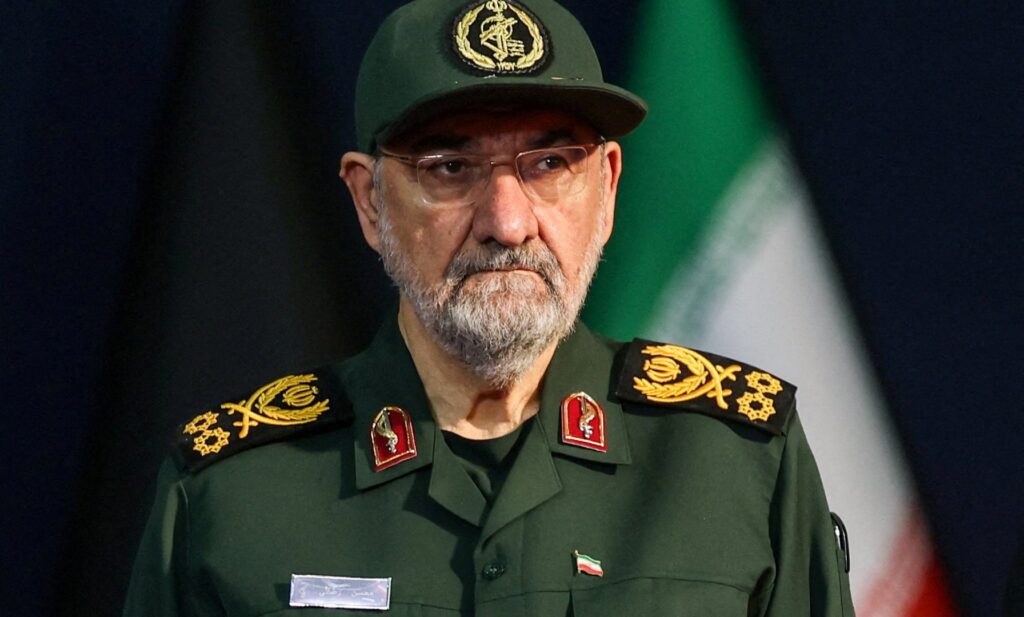
Mohsen Rezaee’s recent appointment as the secretary of Iran’s top security body marks a significant political and strategic development for the country. Rezaee, a former commander of the Islamic Revolutionary Guard Corps (IRGC), is widely recognized for his deep roots in Iran’s military and political establishments, bringing decades of experience to his new role.
The timing of this appointment is especially critical as it coincides with the Hormuz talks, a series of negotiations aimed at addressing regional security and geopolitical tensions, particularly around the Strait of Hormuz, a vital maritime chokepoint for global oil shipments. Rezaee’s leadership is expected to influence Iran’s stance and strategy in these talks, potentially altering dynamics in the region.
Rezaee’s background as an IRGC commander means he possesses an intricate understanding of both Iran’s military capabilities and security doctrines. This expertise is likely to shape Iran’s security policies at a pivotal time when tensions with Western countries and regional rivals remain high.
Furthermore, the appointment underscores a broader shift in Iran’s security apparatus, emphasizing a consolidation of military and political influence under figures closely aligned with the hardline elements of the regime. Rezaee’s role could lead to a more assertive and cautious approach in handling international negotiations and defending national interests.
This move also indicates the regime’s prioritization of internal security and national defense, potentially affecting Iran’s domestic and foreign policies. Rezaee’s historical role in crises and conflicts could translate into a strategic posture that emphasizes resilience and deterrence.
In sum, Mohsen Rezaee’s rise to the position of Iran’s top security chief is highly significant. It reflects Iran’s current security priorities, particularly during sensitive negotiations in the Strait of Hormuz. His appointment is likely to steer Iran’s security strategies in a more guarded and possibly more militant direction, impacting not only Iran’s internal stability but also the geopolitical balance in the Middle East.