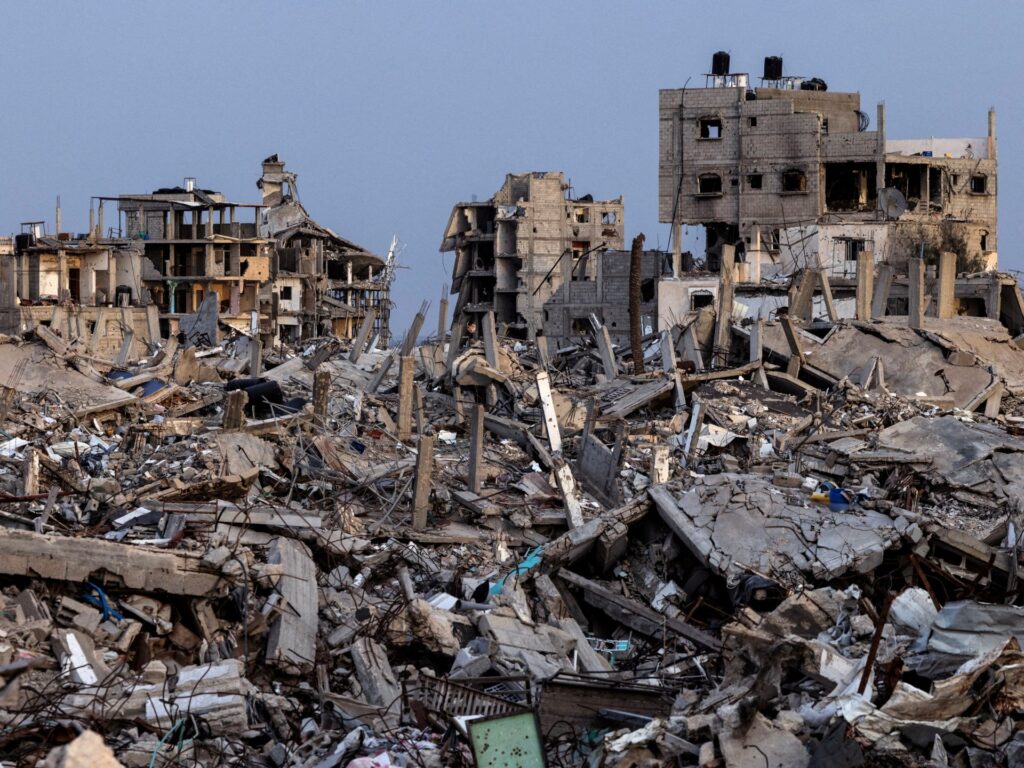
In recent developments surrounding the Israeli-Palestinian conflict, Israel’s proposal known as the ‘Green Rafah’ plan has surfaced, igniting critical discussions among political analysts and human rights experts. The plan’s stated objective is the creation of new administrative zones in Gaza, particularly focusing on the Rafah region. However, experts warn that the ramifications of this initiative could extend far beyond administrative restructuring.
According to experts, the ‘Green Rafah’ plan aims to fragment the Gaza Strip, leading to a deliberate partition that could disrupt the socio-political fabric of the territory. This fragmentation strategy is perceived as a method to diminish the unity and strength of Palestinian governance in the area. Experts argue that such administrative zones could effectively erase the historical Palestinian claim, reducing Gaza to isolated segments with weakened political influence.
One of the most alarming aspects of the plan as highlighted by analysts is its potential to trigger mass displacement of Palestinian communities. Forced relocations associated with establishing new borders and zones could result in significant humanitarian challenges, exacerbating the already precarious living conditions in Gaza.
Human rights organizations have expressed concerns that the implementation of the plan bears resemblance to tactics aimed at erasing ethnic and national identities by displacing populations and redrawing boundaries in ways that disenfranchise communities. These fears are compounded by the historical context of ongoing conflicts and negotiations over land rights in the region.
The ‘Green Rafah’ plan reportedly involves creating green zones—areas designated for specific administrative and possibly security controls—that separate Gaza into discrete segments. This kind of territorial segmentation could hinder the movement of people and goods, isolate populations, and undermine economic viability.
Critics suggest that the plan may also be a strategic attempt by Israel to weaken Palestinian resistance by undermining the central authority of Hamas and other governing bodies in Gaza. By dividing the area into smaller, manageable administrative units, the influence of Palestinian leadership could be diluted, thus altering the power dynamics significantly.
Supporters of the plan from Israel’s strategic perspectives argue that such fragmentation would enhance security measures, enabling more tailored governance and potentially reducing conflict incidences. They contend that controlling and structuring Gaza through distinct administrative zones may allow for more effective management of internal affairs and border security.
Nonetheless, international observers remain skeptical about the humanitarian implications of the plan. The United Nations and various NGOs have called for transparency in the plan’s details and have urged stakeholders to consider the human cost associated with territorial divisions and forced relocations.
Moreover, Palestinian representatives have condemned the ‘Green Rafah’ plan as an attempt to undermine Palestinian sovereignty and rights. They emphasize that any unilateral actions altering Gaza’s status without inclusive dialogue exacerbate tensions and diminish prospects for peace.
Experts further caution that if implemented, the plan could set a precedent for similar fragmentation strategies in other disputed regions, potentially complicating peace efforts throughout the Middle East. The division of Gaza can not only deepen internal strife but also destabilize the broader region, affecting neighboring countries and international relations.
The ‘Green Rafah’ plan continues to be a topic of concern among scholars, activists, and international diplomats. The debate revolves around whether the initiative constitutes a necessary security measure or a politically motivated strategy that jeopardizes Palestinian rights and regional stability.
As the situation evolves, ongoing monitoring and discourse are crucial. The international community is urged to facilitate dialogue, protect civilian populations, and support efforts aimed at achieving a just and lasting resolution to the conflict. Only through cooperative engagement and respect for human rights can the potential adverse effects of plans like ‘Green Rafah’ be mitigated.