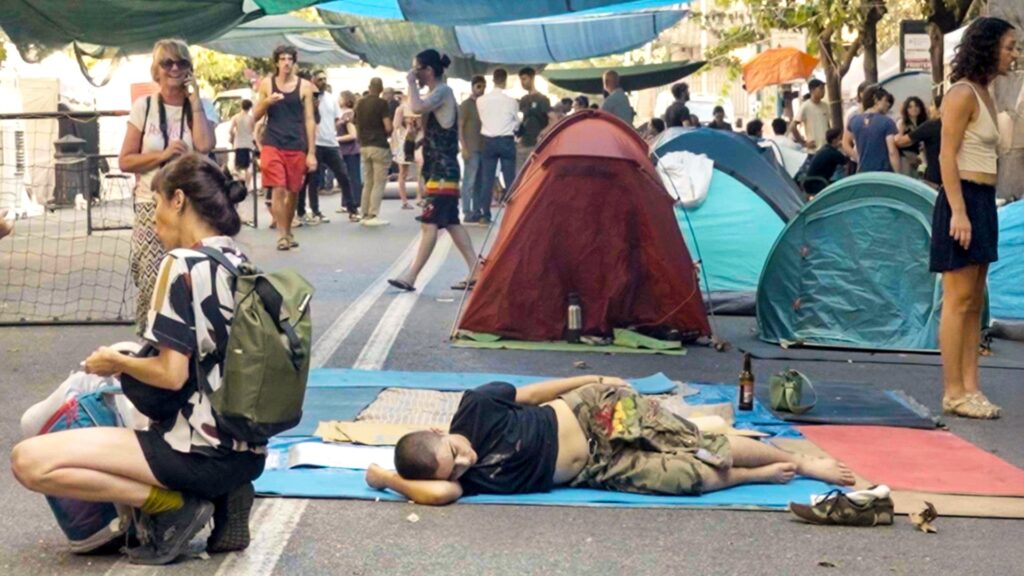
In a recent enforcement operation in Rome, approximately 300 residents were displaced and forced to camp on the streets following a crackdown on a squatted building. The authorities targeted the building occupied by numerous individuals, many of whom had taken refuge there due to various socio-economic challenges. This event has generated significant concern and debate regarding housing policies and the rights of displaced residents.
The operation led to the immediate eviction of the squatters, leaving them with no permanent shelter. Many of those affected resorted to setting up temporary camps on nearby streets, exposing them to harsh weather conditions and raising urgent humanitarian concerns. Local activists and organizations have called for urgent intervention to provide alternative accommodation and support services to these individuals.
This incident highlights the broader issue of housing shortages and the rising homelessness in major urban centers like Rome. Critics argue that the crackdown approach fails to address the root causes of squatting, such as unaffordable housing and insufficient social welfare programs. Instead, they advocate for more inclusive urban planning and social housing projects to provide long-term solutions.
City officials have stated that the eviction was necessary to uphold property laws and maintain public order. However, they also acknowledged the need for coordinated efforts to support those displaced by such actions. Plans are reportedly underway to increase social housing provisions and enhance support for vulnerable populations.
The situation has sparked dialogues among policymakers, civil society, and citizens about how to balance legal property rights with the urgent need to ensure safe and affordable housing for all residents. As the displaced continue to occupy streets temporarily, the call for compassionate and sustainable solutions grows louder.
This crackdown on squatted buildings in Rome serves as a stark reminder of the ongoing challenges cities face in managing urban development while protecting the most vulnerable members of society. The coming weeks will be critical in determining how these residents are assisted and how future incidents are managed to prevent similar humanitarian crises.