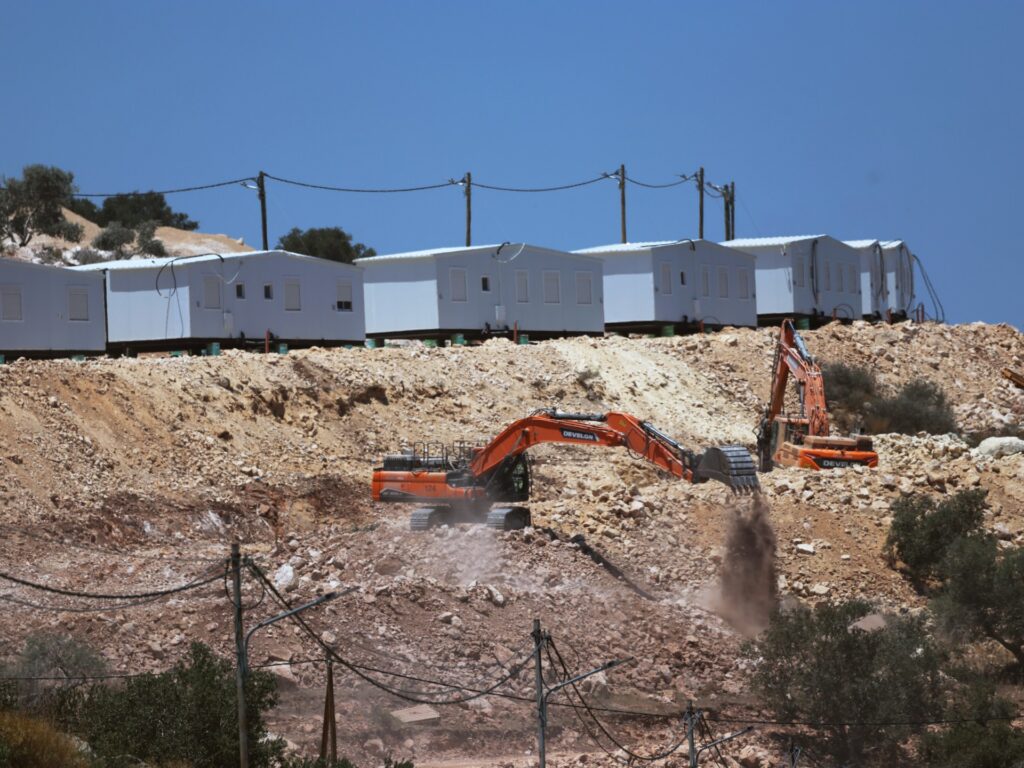
In a recent development that has sparked widespread concern, the Israeli government has announced a tender for the construction of 627 settler housing units in the occupied West Bank. This move is seen as a significant escalation in Israel’s settlement activities in the region, which many international observers and Palestinian officials argue undermines peace efforts and violates international law.
The new tender covers sizable areas within the West Bank, a territory occupied by Israel since the 1967 Six-Day War. The region is home to many Palestinian communities who seek East Jerusalem as the capital of a future Palestinian state. The expansion of settlements in this area is viewed by Palestinians and many in the international community as an attempt to fragment Palestinian territories and weaken their claims to East Jerusalem.
Palestinian officials have expressed grave concerns, warning that the new settlement tender will deepen Israeli efforts to sever the territorial and social ties between Palestinians and Jerusalem. These efforts, they argue, threaten the prospects for a two-state solution, which envisions Israel and Palestine living side by side in peace and security.
The tender announcement comes amidst ongoing tensions in the region, where settlement expansions often lead to protests and clashes. Israeli settlers consider these new units as crucial for natural growth and security, while Palestinians see them as illegal encroachments on their land.
International reactions have been mixed but mostly critical. The United States and the European Union have reiterated their opposition to settlement expansions, emphasizing that such moves hinder peace negotiations. The United Nations has also condemned the tender, stating that all settlement activity in occupied territories is illegal under international law.
Experts note that the construction of new settlements complicates any future negotiation framework. It not only alters the demographic balance but also challenges the geographical contiguity necessary for a viable Palestinian state. This latest tender could further entrench divisions and prolong the conflict.
In contrast, some Israeli political factions argue that settlement development is a legitimate exercise of Israel’s sovereign rights and necessary for security reasons. They claim that the settlements provide strategic depth and protect Israeli interests in the contested region.
Despite these differing viewpoints, the tender for 627 units marks one of the largest settlement initiatives in recent years. It underscores Israel’s continuing commitment to expand its footprint in the West Bank, a policy that has significant ramifications for the Israeli-Palestinian conflict.
The announcement has also rekindled debates about the international community’s role and responsibility in addressing the conflict. Critics argue that more robust international intervention is necessary to halt settlement expansions and revive meaningful peace talks.
With tensions already high, the tender is likely to provoke further unrest and complicate efforts aimed at achieving a lasting peace. The future of Jerusalem and the West Bank remains a critical and contentious issue, with both Israelis and Palestinians deeply invested in the outcome.
As this situation develops, the eyes of the world remain fixed on the West Bank, hoping for a resolution that respects the rights and aspirations of all parties involved. The coming months will be crucial in determining whether this tender leads to greater conflict or serves as a wake-up call for renewed diplomatic efforts.
In sum, the Israeli announcement of the tender for 627 settler units in the West Bank highlights the ongoing challenges and complexities of the Israeli-Palestinian conflict. It demonstrates how settlement policies continue to shape the dynamics of the region and impact the prospects for peace.