Iran has escalated its demands amid ongoing negotiations to reopen the strategic Strait of Hormuz, a crucial maritime passage for global oil shipments. Senior Iranian security official Mohammad Reza Pezeshkian, who is leading the talks, has outlined broader conditions that Tehran insists must be met for the resumption of navigational activities.
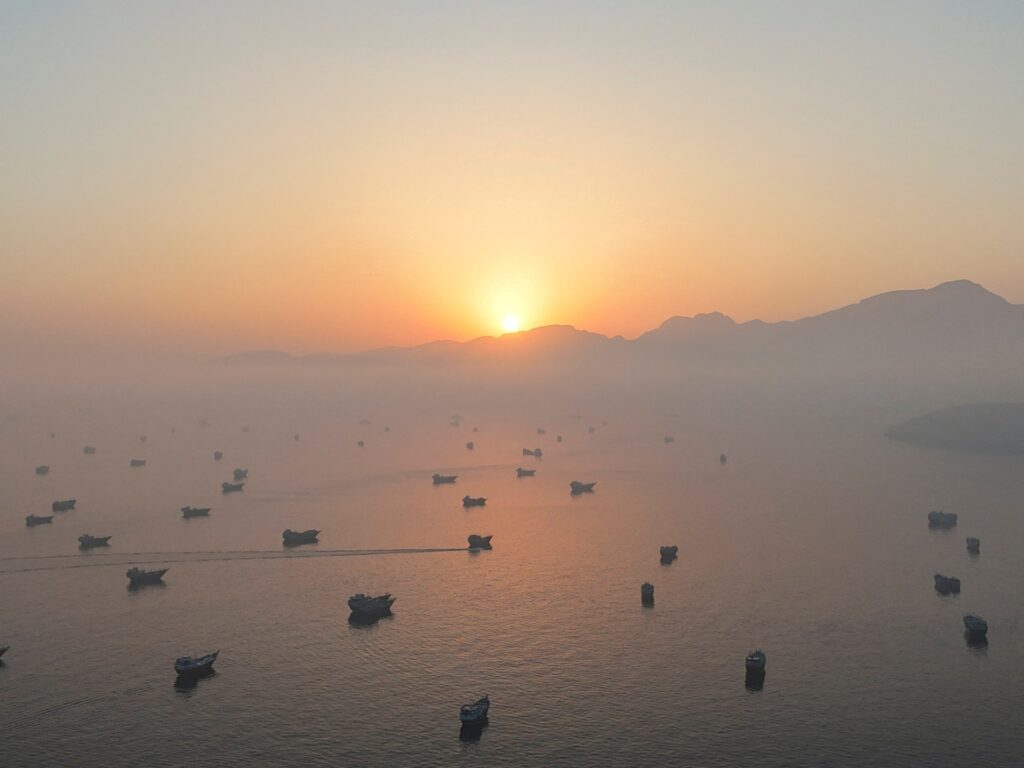
The Strait of Hormuz, linking the Persian Gulf to the Gulf of Oman and the Arabian Sea, is one of the world’s most vital and sensitive chokepoints, through which approximately 20% of global petroleum passes. Its closure or disruption could impose severe consequences on global energy security and economic stability.
In recent weeks, tensions in the region have increased due to geopolitical rivalries, and Iran’s temporary restrictions on maritime traffic have alarmed international stakeholders. Pezeshkian’s new conditions reportedly include enhanced security guarantees, assurances against foreign military presence in the vicinity, and the establishment of a bilateral monitoring mechanism to oversee shipping activities.
These demands reflect Iran’s broader strategy to leverage the strategic importance of the Hormuz corridor to secure political and security concessions from regional and global powers. Analysts note that the approach aims to solidify Iran’s influence over the Persian Gulf and deter perceived threats.
Diplomatic sources indicate that talks remain fragile, with opposing parties negotiating over the exact terms that would satisfy all stakeholders without undermining Iran’s security concerns or the freedom of navigation.
International maritime organizations have urged restraint and called for dialogue to ensure the Strait remains open and safe for commerce, emphasizing that any disruption could trigger significant volatility in energy markets.
Pezeshkian’s involvement signals the Iranian government’s intent to maintain tight control over the negotiation process while signaling a willingness to engage diplomatically, provided their augmented demands are met.
As global attention focuses on the Gulf region, the unfolding developments on the Hormuz Strait will be critical in shaping the future security architecture and economic landscape of the Middle East.
For now, the world waits to see if a mutual agreement can be reached that balances Iran’s security imperatives with the need for unhindered international maritime passage through this essential waterway.