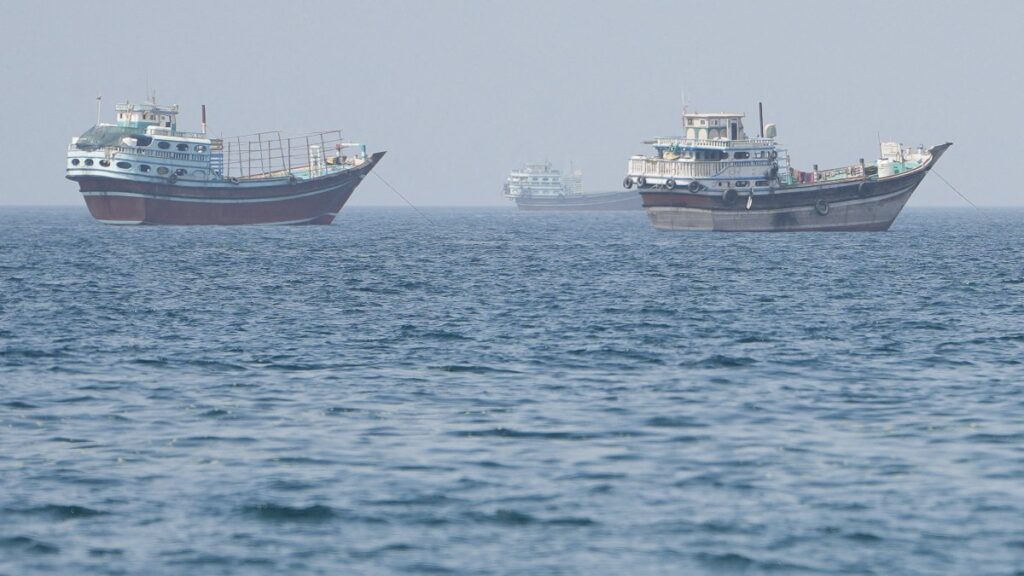
In a recent development that has escalated tensions in the Gulf region, the United Arab Emirates (UAE) has accused Iran of targeting an ADNOC (Abu Dhabi National Oil Company) tanker in the strategic Strait of Hormuz. The incident involved a missile strike, which thankfully resulted in no casualties, but has drawn widespread condemnation from Gulf and Arab governments.
The Strait of Hormuz, a critical transit chokepoint for global oil shipments, has long been a flashpoint for geopolitical conflicts, particularly involving Iran and its neighbors. The alleged attack on the ADNOC tanker marks a serious escalation in hostilities, highlighting the ongoing volatility in the region.
According to official statements from the UAE, the missile strike was a deliberate act by Iran to disrupt maritime navigation and international shipping in the area. The UAE government has condemned the attack as a violation of international law and a threat to regional security.
ADNOC, one of the world’s leading energy companies, operates a fleet of tankers responsible for transporting crude oil and petroleum products from the UAE to global markets. The tanker targeted in the strike was reportedly carrying out routine operations when it was hit. Despite the assault, no crew members were harmed, and the tanker has since been secured.
The Gulf Cooperation Council (GCC) and other Arab governments have also publicly condemned Iran’s actions, expressing solidarity with the UAE and calling for restraint and de-escalation. They emphasized the importance of maintaining freedom of navigation and safe passage through the Strait of Hormuz for the stability of global energy supplies.
International observers have warned that such incidents could lead to broader conflict if diplomatic efforts are not intensified. The US and European countries have also condemned the attack, urging Iran to adhere to international norms and respect the sovereignty of its neighbors.
The UAE has pledged to take all necessary measures to protect its maritime assets and ensure the safety of its citizens and economic interests. The government called on the international community to step up efforts to secure maritime routes and prevent similar incidents in the future.
This missile strike underscores the fragile security situation in the Gulf, where geopolitical rivalries, especially between Iran and the US-backed Gulf states, continue to pose risks to peace and stability. It highlights the critical need for dialogue and diplomatic engagement to prevent further escalation.
As investigations continue, the international community is closely monitoring the situation. The UAE remains committed to upholding the rules-based international order and protecting its economic lifelines. In the meantime, the Gulf nations are enhancing security measures to safeguard shipping lanes and deter future threats.
This incident serves as a stark reminder of the ongoing tensions surrounding the Strait of Hormuz and the broader Middle East conflict landscape. It places added urgency on diplomatic initiatives aimed at reducing hostility and promoting regional security.