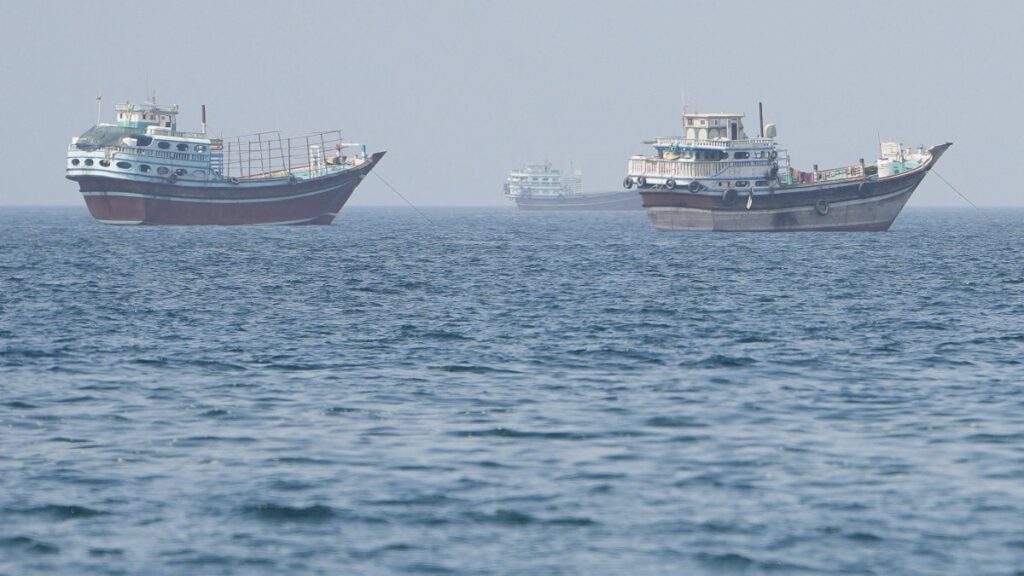
The United Arab Emirates (UAE) has officially accused Iran of targeting an ADNOC-operated tanker in the strategically significant Strait of Hormuz. The tanker reportedly suffered damage due to a missile strike, but fortunately, there were no casualties. This incident has escalated tensions in the Gulf region, prompting strong reactions from Gulf and Arab governments.
The Strait of Hormuz is one of the world’s most critical maritime chokepoints, serving as a vital route for global oil shipments. The reported missile strike by Iran against the Emirati tanker marks a serious escalation, heightening security concerns among neighboring countries and international stakeholders.
The UAE government swiftly condemned the attack, calling it a clear violation of international law and an act of aggression that threatens maritime security and stability in the region. Officials emphasized that despite the damage, the safety of the crew was maintained, with no reported casualties.
In response, several Gulf Cooperation Council (GCC) members and Arab nations have issued statements denouncing the missile strike. They expressed solidarity with the UAE and urged restraint from all parties to prevent further escalation. These governments highlighted the importance of safeguarding free navigation and the peaceful passage of commercial vessels in accordance with international regulations.
Experts note that incidents like this often reflect broader geopolitical tensions between Iran and Gulf states, with implications for global energy markets. The attack on the ADNOC tanker could lead to increased security measures and potential shifts in maritime policy among Gulf countries.
International observers have called for an impartial investigation to establish the facts surrounding the incident. There is a growing consensus on the need for diplomatic efforts to reduce tensions and ensure the safe operation of commercial shipping lanes in the Strait of Hormuz.
The UAE has reiterated its commitment to maintaining peace and security in the region and to upholding the rights of all countries to freely navigate international waters. Meanwhile, international maritime organizations have pledged to monitor the situation closely and provide support to ensure maritime safety.
This event underscores the fragility of security in the Gulf region, which remains a hotspot for geopolitical conflict due to its strategic importance for global oil supply. The international community continues to watch closely as stakeholders seek resolution and stability in this volatile area.