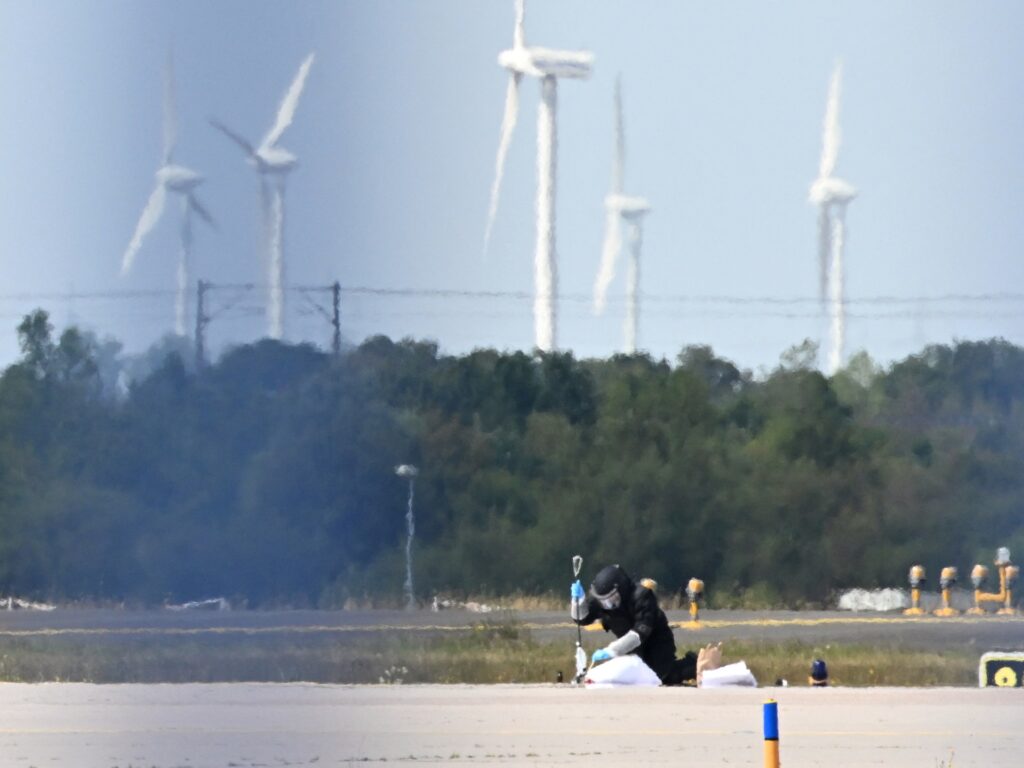
The recent sightings of drones in Bulgaria and Germany have sparked significant concern across Europe about the potential escalation of Russian military activities. These incidents have heightened fears that Moscow’s ongoing war against Kyiv is beginning to affect NATO member countries, marking a troubling expansion of the conflict beyond Ukraine’s borders.
In Bulgaria, authorities detected several unauthorized drones near sensitive areas, raising alarms about possible espionage or preparatory actions for more aggressive moves. Similarly, German security forces reported drone sightings close to critical infrastructure, triggering immediate investigations into the intent and origin of these unmanned aerial vehicles.
Such incidents have created unease among NATO allies, who are closely monitoring the situation. The presence of drones in these countries is unprecedented in the current conflict, suggesting a possible new phase in Russia’s strategy that extends targeting or surveillance beyond the immediate war zone.
Experts believe that these drone operations could be part of a broader attempt by Russia to intimidate or destabilize NATO members indirectly. By utilizing drones, Russia might be testing defenses, gathering intelligence, or even preparing for cyber or physical attacks aimed at weakening NATO solidarity.
European governments have responded by enhancing airspace security measures and intensifying surveillance along their borders. Military and intelligence agencies are collaborating to assess threats and prevent further incursions. This includes deploying advanced radar systems and increasing the readiness of air defense units.
The incidents have also prompted urgent diplomatic discussions within NATO and among EU member states. Officials emphasize the need for a coordinated response to deter potential Russian provocations and to reassure member states of their collective security commitments under Article 5 of the NATO treaty.
Public concern is rising as civilians become aware of these incursions into their airspace, leading to calls for transparency from governments about the risks posed and measures being taken. The increase in drone activity has reminded many Europeans of the volatility and unpredictability introduced by the ongoing conflict in Eastern Europe.
In summary, the drone sightings in Bulgaria and Germany signify a concerning escalation in the spillover effects of Russia’s war in Ukraine. They underscore the growing risks of wider conflict entangling NATO nations and highlight the urgent need for vigilance, preparedness, and united diplomatic efforts among European allies to address emerging security challenges.