The ongoing war in Sudan has caused devastating impacts on the country’s education system, putting the future of an entire generation at risk, the United Nations has warned. Conflict has led to over 8 million children being out of school, marking a severe disruption in their education and development. According to UN reports, nearly three-quarters of schools in Sudan have been impacted by the violence, through destruction, closure, or conversion to shelters for displaced persons. This widespread disruption threatens to undo years of progress in education and development in the region.
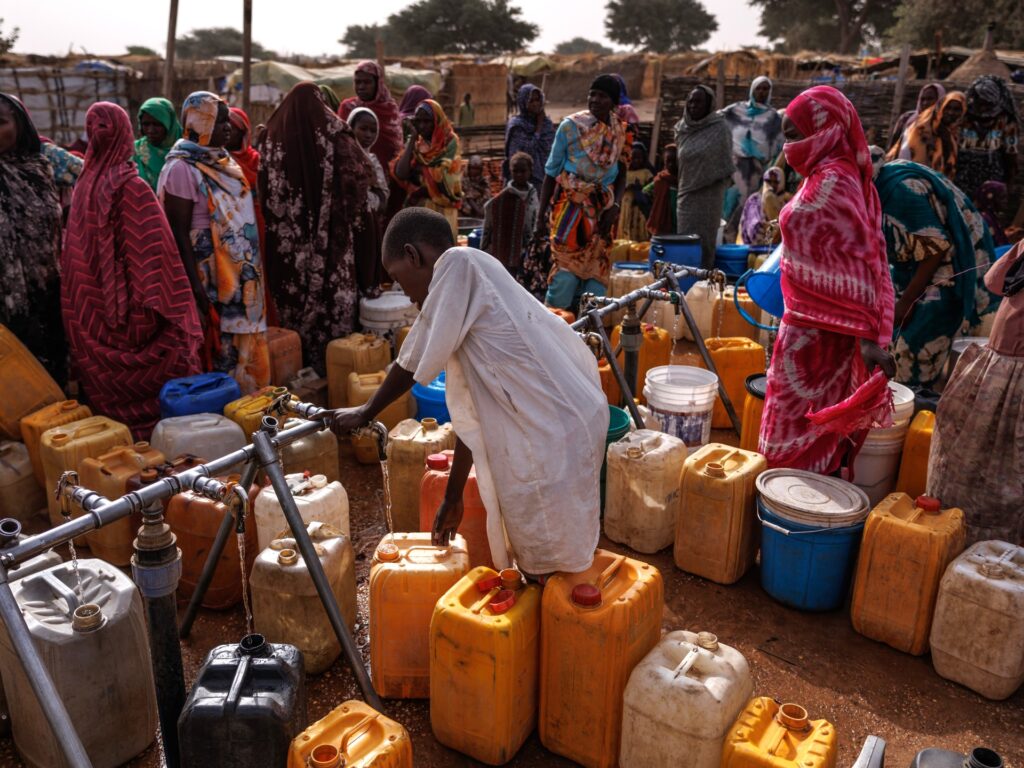
The war, which has escalated sharply, affects multiple aspects of daily life in Sudan, but the health, safety, and education of children remain among the most severely affected areas. The blockade of humanitarian aid, damage to infrastructure, and ongoing insecurity have made it difficult for schools to operate safely and for children to attend.
Education experts and humanitarian agencies emphasize that the loss of schooling not only reduces literacy and numeracy skills but also leaves children vulnerable to exploitation, recruitment into armed groups, and long-term poverty. The psychological trauma caused by the war further hinders children’s ability to learn and thrive.
The United Nations and its partners have called for an urgent ceasefire and renewed efforts to protect education. They stress the importance of reopening schools, providing safe learning environments, and restoring access to education for millions of Sudanese children.
International actors are urged to increase support for education programs, including psychosocial support and resources for teachers, to help mitigate the lasting damage of the conflict. The UN’s warning highlights that addressing the crisis in Sudan’s education sector is vital to securing peace and sustainable development for the nation moving forward.
Sudan’s war is not only an immediate humanitarian crisis but also a long-term threat to the country’s future prospects, with the current generation of children facing unprecedented obstacles in pursuing education and building a better future. The international community’s response in the coming weeks can be decisive in changing the trajectory of Sudan’s young generation and, ultimately, the nation itself.