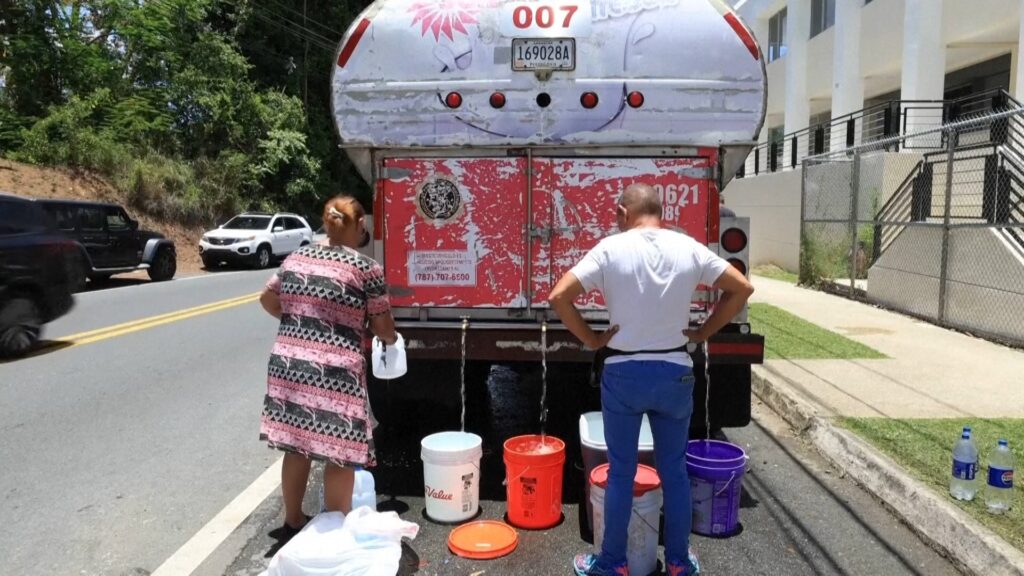
Puerto Rico has entered a critical phase as a severe drought has caused a significant depletion of its water reservoirs, prompting the implementation of a 48-hour water rationing program. This measure affects more than 180,000 households across the island, aiming to manage the limited water supply and ensure access during this environmental crisis.
The drought, one of the worst in recent memory, has drastically reduced water levels in key reservoirs that supply drinking water to large portions of the population. The government and utility companies have been monitoring the situation closely and decided that rationing is now necessary to extend the remaining water reserves.
Under the new rationing plan, water will be available to affected households on a rotating schedule, with each group receiving water access only during designated 48-hour windows. This system is designed to reduce consumption and slow the depletion of reservoir levels while efforts are underway to mitigate the drought’s effects.
Authorities have issued warnings encouraging residents to conserve water wherever possible, refraining from non-essential uses such as watering gardens, washing cars, or filling swimming pools. Public awareness campaigns have been launched to guide the population on water-saving practices.
The drought’s severity is attributed to an extended period of below-average rainfall and changing climate patterns, which have increasingly impacted the island’s water resources. Experts warn that if rainfall does not improve soon, the rationing may need to be extended or intensified.
Puerto Rico’s government is also exploring emergency measures such as the importation of water supplies and investment in alternative water sources. Additionally, there is increased focus on infrastructure improvements to reduce leakage and improve storage capacity.
The water crisis has sparked significant concern among residents and businesses, highlighting the vulnerabilities of the island’s water infrastructure. Many communities are mobilizing local resources to assist vulnerable populations, including the elderly and those with medical needs.
This situation underscores the broader challenges faced by regions dependent on limited natural water reserves amid shifting climatic conditions. It serves as a stark reminder of the importance of sustainable water management and the development of resilient infrastructure.
Puerto Rico’s experience may offer insights and warn other regions about the potential consequences of prolonged droughts, particularly in areas where water supplies are already stressed due to population growth or environmental changes.
The government continues to work with national and international experts to monitor the situation and implement solutions swiftly to protect public health and maintain essential services.
Residents are urged to stay informed through official channels and comply with rationing schedules and conservation guidelines to help navigate this difficult period collectively.
As the drought continues, the situation remains fluid, with updates expected in the coming days regarding the effectiveness of the rationing program and any additional measures that may be necessary.