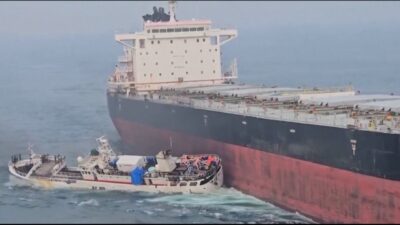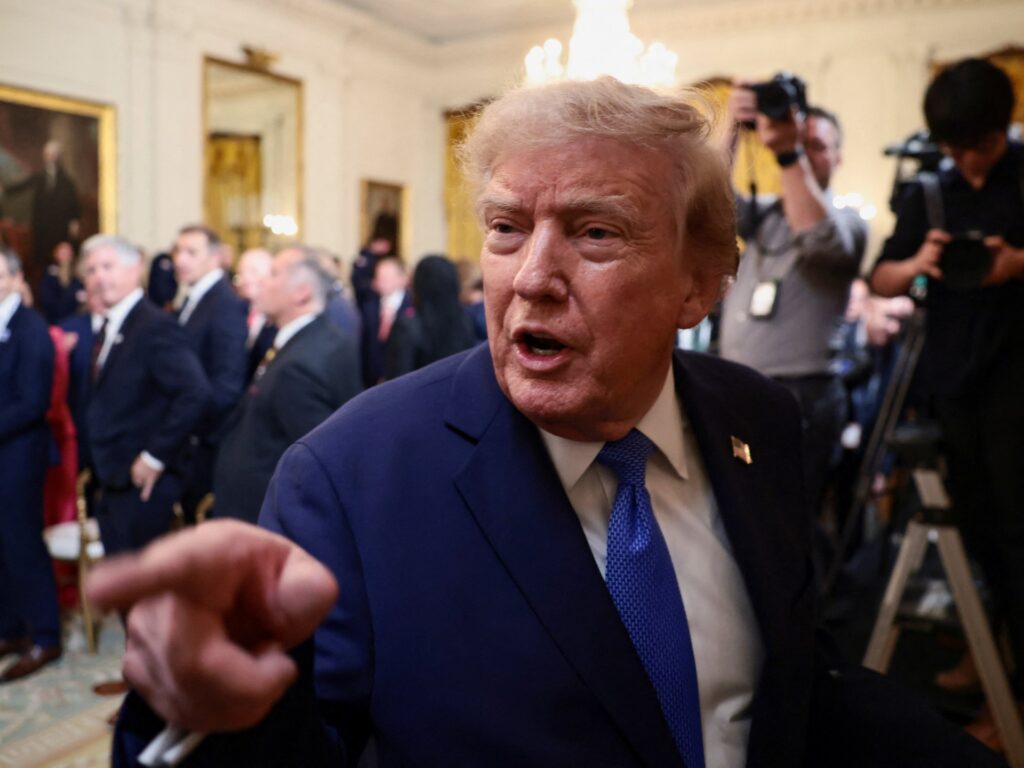
Former U.S. President Donald Trump recently stated that the ongoing war ‘can’t go much longer,’ highlighting the escalating concern over prolonged conflict. This remark comes amid increasing tensions in the Middle East, particularly involving the strategic Strait of Hormuz. The Strait of Hormuz is a vital waterway for global oil shipments and has become a flashpoint due to geopolitical hostilities.
Meanwhile, reports have emerged indicating that Tehran is in the process of discussing a legislative bill that would bar U.S. and Israeli vessels from passing through the Strait of Hormuz. Such a move would dramatically heighten tensions in the region since the passage is critical for international maritime trade, especially for energy supplies.
The discussions of this bill reflect Iran’s intent to assert greater control over the Strait and to respond to perceived threats from the United States and Israel. If enacted, the bill would legally prohibit the entrance of military and possibly commercial vessels affiliated with these nations, a step that could lead to significant diplomatic and military repercussions.
This development follows a series of recent incidents involving naval confrontations, sanctions, and mutual accusations between Iran and the US-Israeli alliance. Analysts warn that barring vessels from the Strait could severely disrupt oil exports and increase the risk of military conflict in the region.
International reactions to the news have been cautious but pointed, with many calling for dialogue and peaceful resolutions. The United Nations and several countries have emphasized the importance of maintaining freedom of navigation in international waters, including the Strait of Hormuz.
President Trump’s remarks and Tehran’s bill discussions underscore the fragile nature of peace and stability in the Middle East. The war he referenced is broadly understood as the extended conflict involving Iran, proxy forces, and broader US-led coalitions.
As the situation develops, global markets and governments remain watchful, anticipating the possible economic and security implications. The control of the Strait of Hormuz has far-reaching consequences for energy security worldwide and could influence the geopolitical balance in the region.
In summary, Trump’s statement about the war’s unsustainability coupled with Tehran’s legislative moves signals a critical juncture in Middle Eastern geopolitics. The international community faces pressing challenges to mediate and prevent an escalation that could destabilize not only the region but also global economic systems.