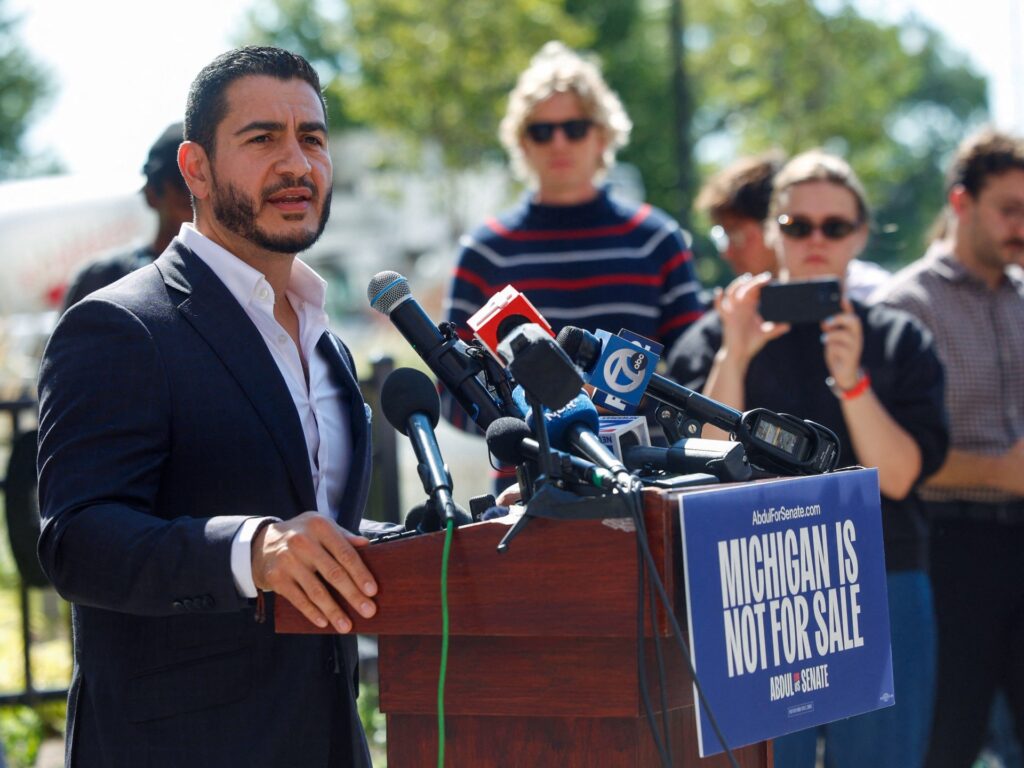
In an unexpected political upset, Abdul El-Sayed, a progressive candidate from Michigan, won the US Senate primary, defying entrenched interests including the pro-Israel lobby and the Democratic Party establishment. His extraordinary victory has sent shockwaves through Washington political circles and highlighted the growing influence of progressive voices within the Democratic Party.
El-Sayed’s campaign was marked by a bold platform emphasizing Medicare for All, environmental justice, criminal justice reform, and an equitable foreign policy. Notably, his approach to Middle East policy diverged from mainstream Democratic positions, challenging the influence of AIPAC (American Israel Public Affairs Committee) and allied groups that have traditionally held significant sway over US politics.
Supporters of El-Sayed have praised his tenacity and commitment to grassroots organizing. Against the backdrop of significant financial support for his opponents from pro-Israel entities and establishment figures, El-Sayed’s triumph is seen as a testament to a growing progressive wave within the electorate, particularly among younger and more diverse voters.
Analysts note that this victory could signal a shift in priorities for the Democratic Party, potentially reducing the dominance of pro-Israel lobbyists and fostering a more critical debate on US involvement in foreign conflicts. El-Sayed’s campaign criticized US military aid to Israel and advocated for a more balanced approach to the Israeli-Palestinian conflict, resonating with voters seeking change from conventional policies.
Throughout the campaign, El-Sayed faced challenges from well-funded rivals backed by the Democratic establishment and pro-Israel groups. Despite these obstacles, his grassroots-driven strategy and clear messaging helped him build a broad coalition across urban and suburban communities in Michigan.
The defeat of establishment-backed candidates by El-Sayed not only marks a key moment in Michigan politics but also reflects broader national trends where progressive candidates are increasingly successful in challenging the status quo. Observers suggest this may encourage similar insurgent campaigns across the country in upcoming elections.
El-Sayed’s victory has also sparked conversations about the influence of lobbying groups on domestic and foreign policy decisions. His stance encourages a reassessment of how interest groups may shape electoral outcomes and policy directions.
The pro-Israel establishment’s reaction to El-Sayed’s win has been cautious, with some expressing concern over the potential weakening of long-standing bipartisan support for Israel. However, supporters of El-Sayed argue that his approach promotes human rights and peace-building efforts, aligning with evolving public attitudes.
In conclusion, Abdul El-Sayed’s win in the Michigan US Senate race is a remarkable example of progressive momentum overcoming significant establishment opposition. It underscores a shifting political landscape where grassroots mobilization, diverse voter engagement, and fresh perspectives on both domestic and foreign policy are reshaping American politics. This victory not only challenges the influence of the pro-Israel lobby but also signals a rising progressive influence within the Democratic Party and the nation as a whole.