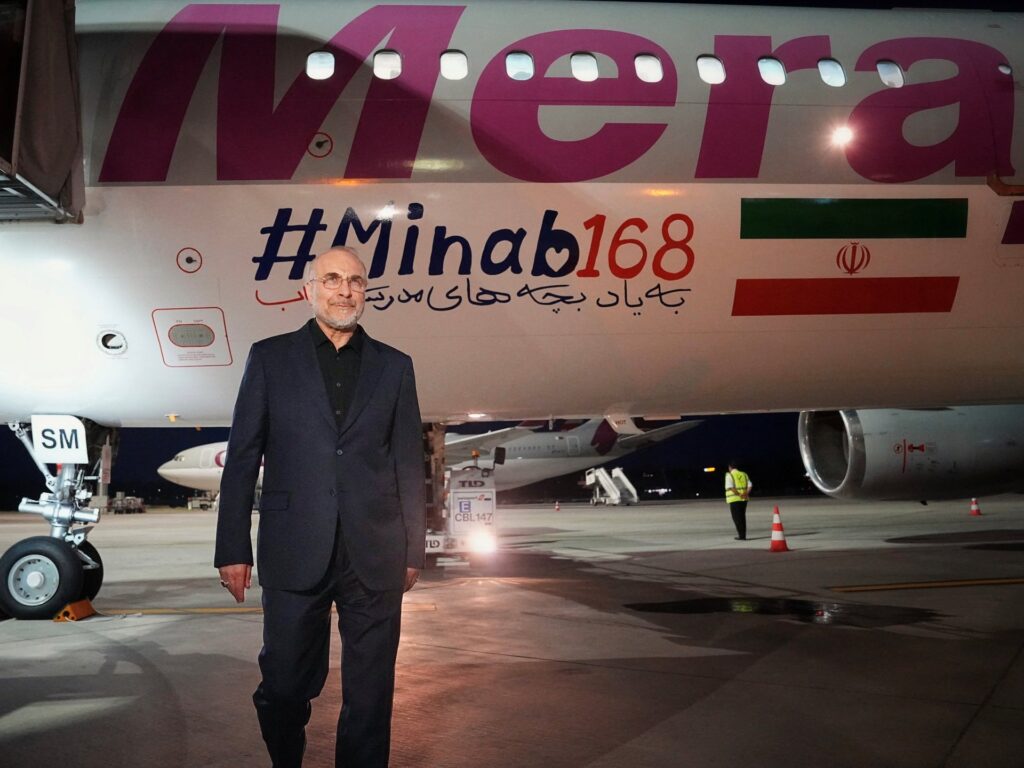
In the midst of escalating tensions between Iran and the United States, Iran’s Speaker of Parliament, Mohammad Bagher Ghalibaf, has sharply criticized US President Donald Trump, accusing him of conducting “show diplomacy on loop.” This statement comes as President Trump claims that he is deeply involved in talks with Iran and anticipates that the war between the two nations will end “pretty soon.”
President Trump has made several public declarations suggesting progress in diplomatic negotiations with Iran. He has expressed optimism that conflict will be avoided and asserted that Iran “cannot go much longer” under current pressures, hinting at a strategic advantage held by the US.
However, Ghalibaf’s comments reflect skepticism and frustration within the Iranian leadership. By labeling American diplomacy as repetitive and superficial, he implies that the US approach lacks genuine constructive engagement and is more theatrical than substantive.
This clash of narratives highlights the complexity and intensity of US-Iran relations at this juncture. The two countries have been entangled in a long-running dispute marked by sanctions, military confrontations, and contested negotiations over Iran’s nuclear program.
Iran’s government has repeatedly emphasized its sovereignty and resistance to external pressure, portraying itself as steadfast in the face of aggressive US policies. Conversely, the US maintains that its measures aim to bring Iran to the negotiating table to curb its nuclear ambitions and regional influence.
The timing of these statements is vital as both nations navigate a precarious diplomatic landscape. President Trump’s assertion that talks are underway and that war might end “pretty soon” serves to reassure audiences of potential peace prospects while simultaneously warning Iran of continued US resolve.
Meanwhile, Iranian leaders like Ghalibaf convey a message of caution and resilience, warning against underestimating Iran’s capacity to endure hardships and maintain its national interests.
Experts analyzing this exchange note that rhetorical postures play a significant role in international diplomacy, often designed to strengthen internal unity and influence global opinion.
The US-Iran conflict has ramifications beyond bilateral relations, affecting global energy markets, regional security in the Middle East, and international non-proliferation efforts.
As both sides communicate contrasting messages—one of hopeful engagement and the other of disdainful defiance—the world watches closely for signs of genuine progress or further escalation.
In summary, Iran’s Ghalibaf’s accusation of “show diplomacy on loop” against President Trump underscores deep mistrust and competing narratives amid ongoing US-Iran tensions. While Trump projects involvement in talks and anticipates an end to conflict, Iranian officials remain wary of what they see as performative diplomacy, highlighting the challenges ahead for a peaceful resolution.