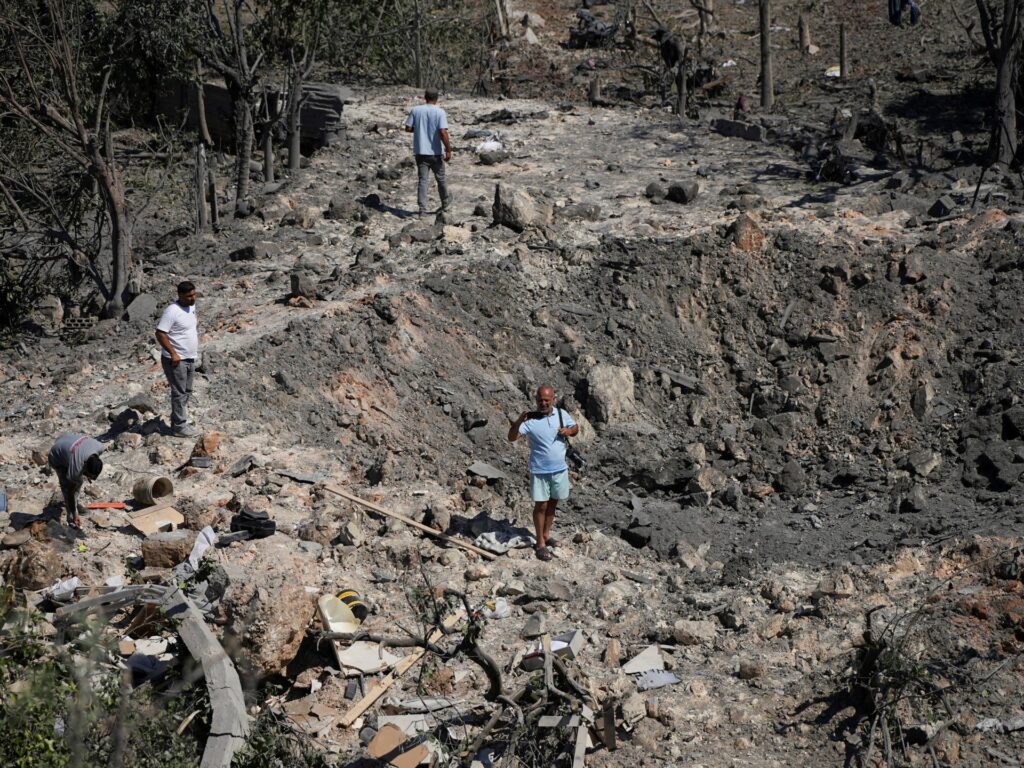
The resumption of Israeli military strikes in southern Lebanon has sparked widespread outrage among local residents, who are questioning the effectiveness of their government’s response to the escalating conflict. After a period marked by relative calm, Israeli forces launched a series of airstrikes and displacement orders targeting areas near the border, intensifying fears and hardship for the civilian population.
Southern Lebanon, a region historically affected by Israel-Lebanon tensions, has once again become a focal point of violence. The renewed military actions have prompted alarm over potential wider conflict, with many residents expressing frustration over what they perceive as a lack of clear red lines or protective measures from their own authorities.
“We feel abandoned,” said a local resident from a village near the border. “Our government must do more to protect us or at least stand firm against these aggressions.” This sentiment is echoed across various communities, where displacement orders have forced families to leave their homes in vulnerable conditions.
The Lebanese government’s approach has been criticized as reactive rather than proactive, as officials have yet to issue a strong, unified stance condemning the Israeli strikes or offer robust support to affected civilians. Analysts suggest that Lebanon’s political complexities and security challenges complicate its ability to respond effectively.
International observers have also expressed concern over the situation in southern Lebanon, warning that continued conflict risks destabilizing the broader region. Calls for renewed diplomatic efforts and ceasefire negotiations are growing louder, seeking to prevent further escalation.
Meanwhile, humanitarian organizations operating in southern Lebanon warn of increasing needs. Displacement and damage to infrastructure have disrupted access to essential services, exacerbating the crisis for already vulnerable populations.
The current dynamics underscore the fragile security environment that residents of southern Lebanon endure. The absence of clear red lines or protective guarantees leaves civilians caught in the crossfire, enduring both physical danger and psychological distress.
As Israel continues its military campaign, the international community faces mounting pressure to engage more decisively. The people of southern Lebanon are looking for assurances that their safety and dignity will be respected, calling on their government and global powers to act with urgency and resolve.
In the meantime, southern Lebanon remains a region on edge, bracing for the next developments in a conflict that seems far from over. The state of emergency has revived memories of past wars, highlighting the ongoing volatility and the urgent need for lasting solutions that prioritize human security and peace.